2026 Best Vacuum Molding Machine for Sale?

Choosing the best vacuum molding machine for sale in 2026 starts with the parts you actually need to make. A compact workshop producing short runs has different requirements from a factory handling large, repeated orders. Tray size, material compatibility, heating control, vacuum strength, and cooling time all affect daily production. Small details matter. A control panel that is easy to read can save time during setup, while uneven heating may leave thin spots or soft corners in finished parts.

This guide looks at how to compare machines without treating a high price or impressive specification as proof of quality. We’ll consider machine capacity, mold changes, operator safety, maintenance access, and the support available after purchase. Ask suppliers for clear specifications, practical demonstrations, and references from users with similar production needs. If possible, inspect sample parts made with your intended material. A brochure cannot show every limitation. Some figures also depend on mold design and operating conditions, so verify them before making a decision. The right vacuum molding machine should fit your workspace, workload, and budget—not just look impressive on a product page. There may be trade-offs. Knowing yours is part of buying well.
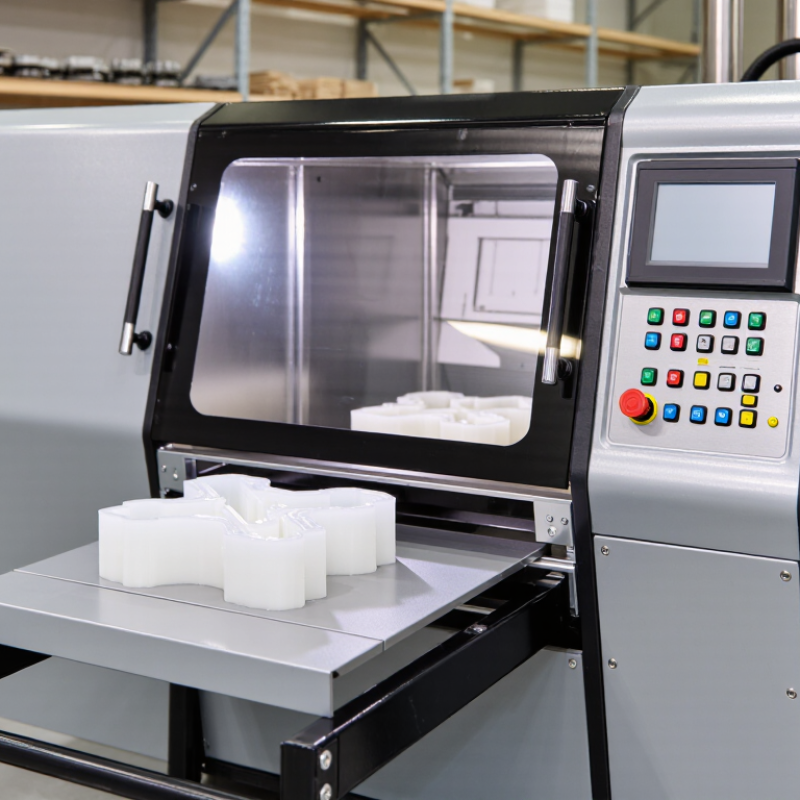
2026 Best Vacuum Molding Machine for Sale?

What Is a Vacuum Molding Machine?

2026 Best Vacuum Molding Machine for Sale?
What Is a Vacuum Molding Machine?

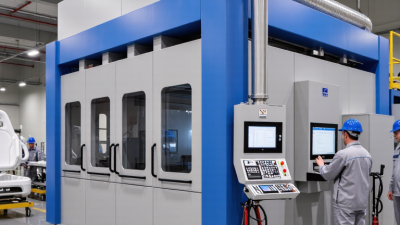
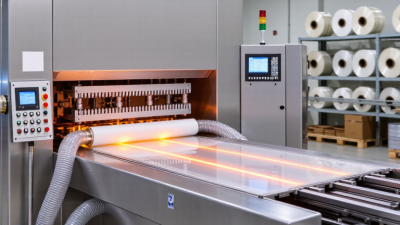
A vacuum molding machine heats a thermoplastic sheet until it softens, then draws it against a mold using suction. After cooling, the formed part is trimmed to size. Picture a warm plastic sheet pulled tightly over a textured tool: the mold gives the part its shape, while vacuum pressure helps capture its surface details. The term “vacuum molding” is often used for vacuum forming, a process within the broader thermoforming family.

Machines vary in heating method, forming area, vacuum capacity, and control systems. These differences affect cycle time, detail, and the size of parts that can be produced. Grand View Research estimated the global thermoforming market at USD 47.84 billion in 2023 and projected a 5.1% compound annual growth rate from 2024 to 2030. This is a broader market estimate, not a figure for vacuum molding machines alone. That distinction matters.

For buyers, the right machine depends on the sheet material, mold dimensions, expected production volume, and acceptable trimming waste. Check whether heating is even across the sheet; uneven heat can leave thin corners or soft, inconsistent edges. A machine with a larger forming area is not automatically better. It may use more energy and floor space than a small workshop needs. Specifications can look reassuring on paper. Test with your actual material and mold when possible.

2026 Best Vacuum Molding Machine for Sale? What Is a Vacuum Molding Machine?

A vacuum molding machine heats a thermoplastic sheet until it softens, then uses a pressure difference to draw the sheet against a mold. The chart shows how increasing vacuum relative to the surrounding atmosphere lowers absolute pressure. These values are calculated from standard sea-level atmospheric pressure (101.325 kPa); they are not machine specifications or recommended operating settings.

For example, a vacuum of 60 kPa relative to the atmosphere corresponds to an absolute pressure of about 41.3 kPa at standard sea-level conditions. Actual pressure readings and suitable settings depend on local atmospheric pressure, the material, and the machine.

How Does the Vacuum Molding Process Work?

2026 Best Vacuum Molding Machine for Sale?

How Does the Vacuum Molding Process Work?

Vacuum molding, also called vacuum forming, shapes a heated thermoplastic sheet over a mold. The operator clamps the sheet, heats it until pliable, then moves it over the mold. A vacuum pump removes air through small mold openings, pulling the sheet against the surface. After cooling, the formed part is released and trimmed. The steps sound simple. Consistent results are not.

Sheet temperature, mold design, vacuum strength, and cooling time all affect detail and thickness. Plastics Europe’s Plastics—the Fast Facts 2023 report estimated global plastics production at 400.3 million tonnes in 2022. That figure describes the broader plastics industry, not vacuum-forming output, but it shows the scale of material use. When comparing machines, ask about sheet size, heating zones, pump capacity, and repeatability. Request a trial with your actual material; a sample part can reveal thin corners or uneven detail that a specification sheet may miss.

Tips: Start with a clean mold and even heating. Watch the sheet for uniform sag, then check finished-part thickness at corners and edges. Record settings for each material. Small adjustments matter. Even experienced operators may need several trials when the mold changes.

What Types of Vacuum Molding Machines Are Available?

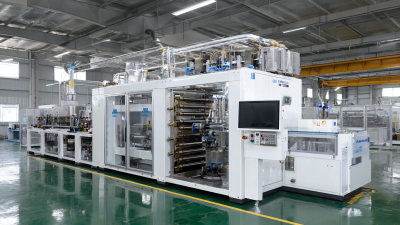
Vacuum molding machines come in several forms, and the right choice depends on the material and finished part. Vacuum-forming machines heat plastic sheets until flexible, then draw them over a mold. Tabletop units suit small trays and prototypes; larger automatic systems handle wider sheets, heating zones, and repeat production. Watch how evenly the sheet warms. Uneven heating can leave thin corners.

Vacuum casting machines remove air from liquid resin or silicone before it cures inside a mold. They are useful for detailed, small-batch parts, but they do not shape heated plastic sheets. Vacuum-assisted sand molding systems use suction to compact and hold sand around a pattern. Terminology can vary between suppliers, so confirm the machine’s process before comparing prices.

Tips: Match the working area to your largest part, not just today’s sample. Ask for cycle-time and power-use data, and check whether pumps, filters, and molds are included. Inspect a sample part for bubbles, webbing, and uneven walls. A polished demonstration can be misleading; request a trial using your material and mold.

Which Specifications Matter When Comparing Machines for Sale in 2026?

2026 Best Vacuum Molding Machine for Sale?

Which Specifications Matter When Comparing Machines for Sale in 2026?

A machine’s advertised cycle time means little without the part size, sheet thickness, and material behind it. Compare the usable forming area with your largest mold, then check clamp force and maximum sheet width. Ask suppliers to run your actual material and mold. Watch for sagging corners, uneven detail, and slow cooling. Those are costly surprises.

Check heater zones, vacuum-pump performance, and repeatability—not just peak speed. Ask for cycle-time results under stated production conditions and energy use per cycle or finished part. Grand View Research estimated the global thermoforming plastics market at about USD 47.3 billion in 2023, with projected annual growth of 5.4% through 2030. That market estimate is not a machine-performance benchmark, but it signals why buyers should assess output and operating costs together. A brochure rarely shows the whole story.

Tips: Request a sample run using your sheet and mold. Record cycle time, part consistency, and changeover effort. Confirm the quoted vacuum level and pump capacity, then check service access around heaters and filters. If a supplier cannot explain test conditions, pause. The lowest price may still fit—but verify the numbers first.

How Should Buyers Assess Safety, Maintenance, and Operating Costs?

When comparing vacuum molding machines for sale in 2026, assess the safeguarding, not just the quoted cycle time. Ask to see platen guards, accessible emergency stops, and documented procedures for isolating electrical and pneumatic energy during maintenance. Run a witnessed cycle and check for pinch points near the moving frame and hot surfaces around the heater bank. Small details matter. The U.S. Bureau of Labor Statistics reported a 2.8 recordable-injury rate per 100 full-time workers in manufacturing in 2023. That industry-wide figure is not specific to molding machines, but it underlines why operator access and training deserve scrutiny.

Maintenance and energy costs can change the purchase calculation. Request a sample service schedule and prices for filters, seals, pump oil, and replacement heating elements. Ask how quickly common spares can be supplied; an idle machine still costs money. The U.S. Department of Energy’s 2014 motor-systems assessment estimated that motor-driven systems used about 54% of U.S. manufacturing electricity. That is not a vacuum-former energy estimate, so request measured kilowatt-hours per cycle using your sheet material and target temperature. Compare that result with expected daily production, then include labor, scrap, and planned downtime. I would not trust a single demonstration cycle as a full cost forecast. It’s a useful start, not the whole picture.

2026 Best Vacuum Molding Machine for Sale? - How Should Buyers Assess Safety, Maintenance, and Operating Costs?

Assessment Area What Buyers Should Check Evidence to Request or Observe Cost or Risk Implication Practical Evaluation
Machine guarding and access Check guards around moving parts, pinch points, clamping areas, and hot surfaces. Confirm that access panels and doors are suitable for the intended operating and maintenance tasks. Inspect the machine in operation; review the risk assessment, operating instructions, and applicable safety documentation for the machine and installation. Inadequate guarding can expose workers to injury risks, production interruptions, and corrective retrofit costs. Do not rely on photographs alone. Include operators and maintenance staff in the review.
Emergency stops and interlocks Verify that emergency-stop devices are accessible and that safety interlocks function as intended. Confirm that resetting an emergency stop does not itself restart the machine. Request a supervised functional demonstration and the relevant circuit diagrams or safety-system documentation. Faulty or poorly understood safety controls can increase injury risk and delay commissioning. Have a qualified person test safety functions using the supplier’s procedure; do not bypass interlocks during evaluation.
Heating system and hot surfaces Assess heater guarding, temperature control, over-temperature protection, and the procedure for isolating power before service. Observe a heating cycle and review temperature-control specifications, maintenance instructions, and lockout or isolation guidance. Heaters consume energy and create burn and fire hazards if poorly controlled or maintained. Ask how heater elements and temperature sensors are inspected and replaced, and whether replacement parts are readily available.
Vacuum performance and pump Compare the stated vacuum level, evacuation time, and repeatability under the buyer’s actual mold, material, and cycle conditions. Request a production-representative trial with recorded cycle data. Review pump specifications, filtration requirements, and service instructions. Pump electricity use, consumables, leaks, and downtime contribute to the cost per operating hour. Confirm the test setup and measurement method; a rated vacuum level alone does not establish achievable production cycle time.
Routine maintenance Identify service tasks for filters, seals, hoses, heaters, moving parts, and the vacuum pump. Check which tasks require trained technicians. Obtain the maintenance schedule, parts list, service access requirements, and expected availability of common wear parts. Maintenance labor, replacement parts, and planned downtime affect the total cost of ownership. Use the manufacturer’s maintenance intervals for the specific machine; intervals depend on design, usage, and operating conditions.
Energy and utilities Review electrical supply requirements and the energy demand of heaters, pumps, controls, and any auxiliary equipment. Request nameplate and utility data, then measure or estimate consumption during a representative production cycle. Electricity cost depends on actual consumption, local tariffs, operating hours, and production rate. Compare energy per acceptable part or production batch, not only installed power rating.
Installation and operating environment Check floor loading, machine footprint, electrical connection, ventilation, noise, and any site-specific environmental controls. Review the installation drawing and utility requirements; verify applicable workplace, electrical, and environmental rules with qualified local professionals. Site preparation, ventilation, electrical work, and commissioning can add costs beyond the purchase price. Include installation and commissioning in the purchase comparison, and confirm who is responsible for each task.
Total operating cost Estimate the cost of energy, labor, maintenance, consumables, tooling, scrap, and planned and unplanned downtime. Ask for a written cost model based on the buyer’s expected operating hours, staffing, materials, output, and service assumptions. A lower purchase price may not mean a lower lifetime cost if energy use, maintenance, or downtime is higher. Compare cost per conforming part over the same expected service life and production scenario.

Buyer note: Safety requirements, machine configurations, maintenance intervals, and operating costs vary by equipment design, application, and location. Verify all specifications and compliance obligations for the specific machine before purchase.

Go to Top