Top Vacuum Molding Machine Manufacturers Worldwide

Choosing the right vacuum molding machine manufacturer can shape production quality, operating costs, and long-term reliability. Manufacturers worldwide serve different industries, including automotive interiors, medical packaging, consumer products, and industrial components. Their machines may appear similar, yet performance can differ sharply under daily factory conditions.

This guide examines established suppliers through practical criteria, not advertising claims alone. It considers forming accuracy, heating control, vacuum stability, cycle time, energy use, and after-sales support. Machine structure matters. A rigid frame, responsive temperature sensors, and accessible maintenance points can reduce production interruptions. Experience from real workshops also reveals details brochures often overlook, such as uneven heating near sheet edges or difficult filter replacement.

Strong manufacturers usually provide application testing, operator training, spare parts, and clear technical documentation. Certifications and export experience can support confidence, but they do not replace verified performance. Buyers should request sample results, inspect finished parts, and compare service response times. Small differences matter.

No ranking is permanently perfect. Factory needs change, and supplier information can become outdated. A reliable evaluation should therefore combine current market research, technical evidence, customer feedback, and direct communication with manufacturers. This overview aims to help engineers, procurement teams, and business owners identify capable partners with greater clarity. The best choice is rarely the cheapest machine. It is the system that delivers consistent results, manageable maintenance, and measurable value throughout its working life.
Top Vacuum Molding Machine Manufacturers Worldwide

What Vacuum Molding Machines Are and How They Work

Top Vacuum Molding Machine Manufacturers Worldwide

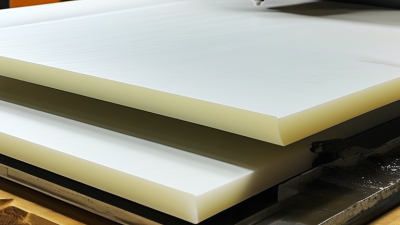
Vacuum molding machines, often called vacuum forming machines, shape heated plastic sheets over a mold. The machine warms the sheet until it becomes flexible. A vacuum then removes air between the sheet and mold. Atmospheric pressure pushes the plastic tightly against the mold surface. After cooling, operators trim the formed part.

The cycle sounds simple. It is not always simple. Heating must remain even across the sheet. Small temperature differences can create thin corners, webbing, or uneven surfaces. Mold design also matters. Vent holes, draft angles, and cooling channels influence the final result. Common materials include ABS, PETG, HIPS, PVC, and acrylic. Production teams usually test several heating times before fixing machine settings.

Market data shows why this process remains important. Grand View Research reported that the global thermoforming market was valued at approximately USD 15 billion in 2023, with continued growth expected through 2030. PlasticsEurope reported global plastics production of about 400 million tonnes in 2022, indicating a large material base for forming applications. These figures do not measure vacuum molding alone, so direct comparisons can mislead. A reliable buyer should examine sheet thickness, heating zones, vacuum capacity, mold dimensions, cycle time, and energy use. Factory trials are essential. A specification sheet cannot reveal every production weakness.

Top Vacuum Molding Machine Manufacturers Worldwide

Typical Vacuum Levels in Vacuum Molding Applications

Vacuum molding uses a vacuum to draw heated plastic or composite material tightly against a mold. Industrial systems commonly operate at approximately 80–95 kPa below atmospheric pressure, depending on the material, mold design, sheet thickness, and required surface detail. Higher vacuum levels generally improve forming accuracy, while actual machine settings vary by application.

Data shown represents typical engineering ranges for industrial vacuum-forming applications. Atmospheric pressure at sea level is approximately 101.3 kPa.

Main Types of Vacuum Molding Machines Used Worldwide

Top Vacuum Molding Machine Manufacturers Worldwide

Main Types of Vacuum Molding Machines Used Worldwide

Vacuum molding machines are selected by material, part size, output volume, and surface detail. The most common type is the sheet-fed vacuum forming machine. It heats plastic sheets with ceramic or infrared elements, then pulls the softened sheet over a mold. This design suits trays, covers, housings, and interior panels. Operators can inspect each cycle closely. That matters for small production runs.

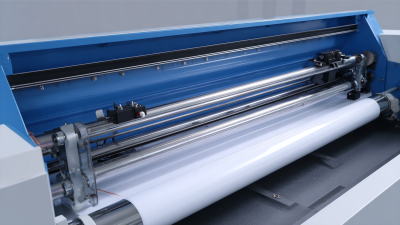
Roll-fed machines support faster, continuous manufacturing. They draw plastic from a roll, heat it, form the part, and trim it automatically. These systems reduce manual handling and material waste when dimensions remain consistent. They are widely used for packaging and thin-wall products. However, setup errors can multiply quickly. A small temperature imbalance may create uneven corners across hundreds of parts.

Pressure-assisted vacuum forming machines add compressed air above the heated sheet. They produce sharper ribs, cleaner edges, and finer textures than standard vacuum forming. Twin-sheet machines form two sheets separately, then join them around their edges. This method creates hollow panels with useful stiffness and light weight. Rotary machines can increase output through several forming stations. Still, they require disciplined maintenance and accurate timing. In real factories, the most expensive mistake is often choosing capacity before testing the mold, sheet thickness, cooling time, and trimming limits.

Top Vacuum Molding Machine Manufacturers Worldwide - Main Types of Vacuum Molding Machines Used Worldwide

Machine Type Forming Principle Typical Sheet or Part Thickness Common Thermoplastics Typical Vacuum or Air-Pressure Range Production Characteristics Common Applications Main Advantages Key Limitations
Standard Vacuum Forming Machine A heated thermoplastic sheet is positioned over a mold, and vacuum draws the sheet against the mold surface. Approximately 0.5–6 mm for many commercial systems ABS, HIPS, PVC, PETG, acrylic, polycarbonate, polypropylene Typically 0.6–0.95 bar vacuum below atmospheric pressure Suitable for prototype work, medium-volume production, and relatively shallow or moderately deep parts. Packaging trays, equipment covers, appliance liners, signage, displays, and interior panels Low tooling cost, short mold-development time, and suitability for many sheet materials Lower detail reproduction and less uniform wall thickness than pressure forming, especially in deep draws
Pressure Forming Machine Vacuum is combined with compressed air above the heated sheet to increase forming force and surface detail. Approximately 0.5–6 mm, depending on material and machine configuration ABS, HIPS, PETG, polycarbonate, acrylic, PVC Vacuum commonly up to 0.9 bar; compressed air commonly about 2–6 bar Designed for parts requiring sharper corners, textures, ribs, logos, and tighter dimensional control. Automotive trim, medical housings, electronic enclosures, instrument panels, and premium consumer products Improved definition, better repeatability, and more detailed mold replication Higher machine cost, more complex tooling, and greater compressed-air requirements
Plug-Assist Vacuum Forming Machine A pre-stretching plug pushes the heated sheet into the mold before vacuum is applied. Approximately 0.8–8 mm for many industrial applications HIPS, ABS, PETG, PP, polycarbonate, PVC Typically 0.6–0.95 bar vacuum below atmospheric pressure Used for deeper draws and applications where wall-thickness distribution is important. Deep packaging, refrigerator liners, transport containers, storage bins, and large interior components Better material distribution, reduced thinning at corners, and improved deep-draw capability Requires accurate plug timing, plug temperature control, and additional tooling
Drape Forming Machine The heated sheet is draped over or around a mold while vacuum pulls it progressively onto the mold surface. Approximately 2–12 mm, depending on sheet size and material ABS, acrylic, polycarbonate, PVC, fiberglass-reinforced thermoplastics Typically 0.6–0.95 bar vacuum below atmospheric pressure Well suited to large parts with moderate depth and relatively smooth surfaces. Vehicle body panels, machine guards, large covers, luggage components, and recreational-vehicle parts Handles large sheets and oversized components with comparatively simple tooling Limited suitability for sharp detail, deep undercuts, and highly complex geometries
Twin-Sheet Thermoforming Machine Two heated sheets are formed separately and joined around their edges, often creating a hollow or double-wall part. Commonly about 1–8 mm per sheet HDPE, PP, ABS, HIPS, PVC, PETG Vacuum typically 0.6–0.95 bar; optional compressed air may be used Produces rigid hollow structures and can integrate internal cavities, ribs, and mounting features. Reusable pallets, bulk containers, automotive ducts, tanks, panels, and protective cases Creates strong lightweight hollow parts and can reduce secondary assembly operations Requires precise sheet alignment, matched tooling, and careful control of joint quality
Rotary Vacuum Forming Machine Heating, forming, cooling, and unloading occur at different stations arranged around a rotating table. Approximately 0.5–6 mm for many production parts ABS, HIPS, PETG, PVC, acrylic, polycarbonate Typically 0.6–0.95 bar vacuum below atmospheric pressure Continuous or semi-continuous operation for medium- to high-volume manufacturing. Packaging, refrigerator components, automotive parts, retail displays, and consumer-product housings High productivity, consistent cycle control, and efficient use of heating and cooling stations Higher initial investment and less flexibility for very large or frequently changing products
Inline Thermoforming Line Sheet feeding, heating, forming, trimming, stacking, and scrap handling are integrated into one automated production line. Commonly about 0.2–4 mm for high-volume sheet products PS, PET, PP, PLA, PVC, PETG, ABS Vacuum commonly 0.6–0.95 bar; compressed air may support pressure forming Optimized for high-speed, repeatable production with automated downstream operations. Food containers, pharmaceutical packaging, consumer packaging, and disposable products High throughput, reduced labor input, integrated trimming, and consistent product handling Large capital requirement, complex maintenance, and lower economic efficiency for short runs
CNC Vacuum Forming Machine Computer-controlled heating, vacuum sequencing, mold movement, and often CNC trimming are used for repeatable production. Approximately 1–10 mm, depending on the machine and application ABS, acrylic, polycarbonate, HDPE, PP, PVC, PETG Typically 0.6–0.95 bar vacuum below atmospheric pressure Suitable for complex geometries, frequent product changes, and digitally controlled process parameters. Prototypes, aerospace interiors, medical equipment covers, automotive components, and custom enclosures High repeatability, reduced setup errors, and efficient integration with digital design workflows Higher purchase price and the need for trained operators and programming support
Roll-Fed Vacuum Thermoforming Machine Plastic film or thin sheet is fed continuously from a roll, heated, formed, trimmed, and collected. Approximately 0.15–2.5 mm PS, PET, PP, PLA, PVC, PETG Vacuum commonly 0.6–0.95 bar below atmospheric pressure Designed for continuous high-speed manufacturing of lightweight, repeatable products. Food trays, blister packs, pharmaceutical packs, lids, and retail packaging High material utilization, fast production rates, and efficient automatic feeding Primarily limited to thin materials and products compatible with continuous web handling
Laboratory and Prototype Vacuum Former A compact heater and vacuum table form small heated sheets over prototype, wooden, resin, or machined molds. Typically about 0.5–3 mm HIPS, ABS, PETG, acrylic, PVC, thin polycarbonate Typically 0.5–0.9 bar vacuum below atmospheric pressure Used for product development, model making, educational work, and low-volume production. Design prototypes, educational models, architectural models, custom packaging, and art projects Low operating cost, rapid design iteration, and simple tooling requirements Small working area, limited automation, and lower consistency than industrial production equipment

Note: Technical ranges are typical industry values and vary according to machine design, mold geometry, sheet grade, heating method, automation level, and production requirements.

Key Criteria for Evaluating Global Machine Manufacturers

Top Vacuum Molding Machine Manufacturers Worldwide

Evaluating global vacuum molding machine manufacturers requires more than comparing purchase prices. A practical audit should examine forming accuracy, heating uniformity, cycle stability, and after-sales response. Ask for production samples using your actual sheet material. A polished brochure is not evidence. Review factory acceptance test records, calibration procedures, spare-parts availability, and technician response times across regions.

Energy and material efficiency deserve equal attention. PlasticsEurope reported global plastics production of 400.3 million tonnes in 2022. This scale increases pressure to reduce scrap and electricity consumption. Compare infrared heater controls, vacuum-pump efficiency, mold-change time, and recycled-content compatibility. The machine should record temperature, pressure, cycle time, and fault history. Without usable data, efficiency claims remain difficult to verify.

Compliance must be measurable. Check ISO 9001 certification, electrical safety documentation, guarding, emergency-stop testing, and region-specific conformity requirements. The OECD’s Global Plastics Outlook projects annual plastic waste could rise from 353 million tonnes in 2019 to 1,014 million tonnes by 2060. Manufacturers supporting closed-loop production, stable processing of recycled sheets, and lower reject rates deserve closer review. Still, recycled materials can behave inconsistently. Trial runs may expose weaknesses that specifications hide. Ask for independently witnessed testing and clearly defined warranty limits.

Leading Vacuum Molding Machine Manufacturers by Region

Top Vacuum Molding Machine Manufacturers Worldwide

Leading Vacuum Molding Machine Manufacturers by Region

North American manufacturers

often emphasize robust frames, programmable heating, and accessible technical support. Their machines commonly serve automotive interiors, packaging, medical trays, and industrial covers. Buyers should inspect platen accuracy, vacuum response time, and the availability of replacement heaters. Service matters.

European manufacturers

are frequently associated with energy management, precise forming control, and efficient production layouts. Many offer modular systems for small prototypes and larger production runs. In practice, regional strengths differ between countries. A careful audit remains necessary. Check documentation, operator training, and actual cycle data instead of relying on brochures.

Asian manufacturers

provide a wide range of vacuum molding equipment, from compact workshop units to automated factory lines. Competitive pricing can be attractive, but configuration details require close review. Confirm pump capacity, mold compatibility, temperature uniformity, and local installation support. Some suppliers adapt machines quickly for custom applications, while others provide limited process guidance. That difference can affect waste, maintenance, and staff confidence. Regional manufacturing directories may help identify candidates, yet independent testing is still valuable. A machine that performs well with thin packaging sheets may struggle with thicker engineering plastics. Trial forming should use the buyer’s material, mold, and target cycle time. Mistakes happen. Record them before signing a purchase agreement.

How to Choose a Manufacturer for Specific Production Needs

When choosing a vacuum molding machine manufacturer, start with your production reality, not a ranking list. Define the plastic type, sheet thickness, mold dimensions, daily output, and acceptable scrap rate. A machine for thin packaging may struggle with thick ABS panels. That difference matters. Ask the manufacturer for a trial using your own material and mold. Watch heating uniformity, forming time, cooling behavior, and trimming accuracy. Request measured results, not only attractive sample photos.

Experienced suppliers can explain why a part wrinkles near corners or loses detail around deep draws. Their engineers should discuss plug assistance, vacuum pressure, heater zoning, and mold ventilation in practical terms. Vague answers deserve caution. Check whether the machine supports your controls, factory power, and planned automation. Confirm service response times, spare-part availability, training, and remote diagnostics. A low purchase price becomes expensive when one failed heater stops production for three days. Ask for references from similar applications, not unrelated industries.

I once underestimated the value of operator training; a capable machine still produced uneven parts after rushed installation. That mistake changed my checklist. Now I compare documented tolerances with floor-level results. Also examine energy use per cycle and maintenance access around heaters and pumps. Manufacturers should provide clear drawings, warranty terms, and change-control procedures. Some promises remain difficult to verify. Keep a written test protocol. It should cover acceptance samples, repeatability, noise, and emergency shutdown functions.

Go to Top