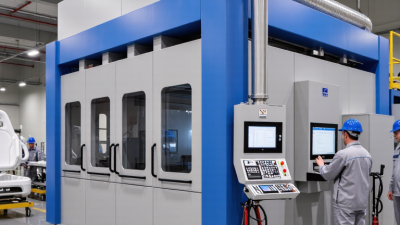
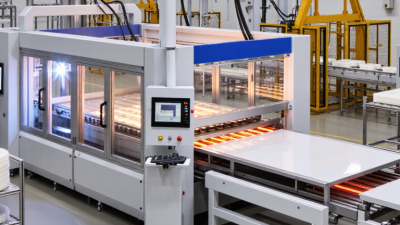
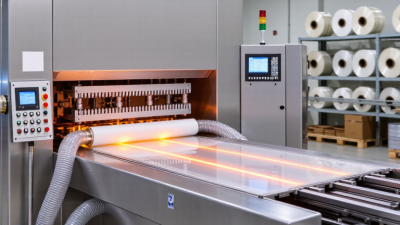
The 2026 vacuum molding market is becoming more technical, regional, and demanding. Global buyers now compare more than machine price. They examine cycle stability, energy use, mold compatibility, service response, and regulatory documentation. Grand View Research reports continued growth in the global vacuum forming plastics market, supported by packaging, automotive interiors, medical products, and consumer goods. Its analysis also highlights automation and material efficiency as important development trends.
Demand is visible on the factory floor. A typical production line may heat a plastic sheet evenly, form it across a detailed mold, then trim the finished tray within seconds. However, cycle speed alone can mislead. A machine running quickly may waste more material or create uneven wall thickness. PlasticsEurope’s Plastics—The Fast Facts 2024 reports that packaging remains the largest plastics-use sector in Europe, creating strong demand for reliable forming equipment and recyclable material solutions. Buyers should also review the machine’s heating zones, vacuum pressure, pump quality, control system, and spare-parts availability.
There is no perfect machine.
This guide evaluates the best vacuum molding machines for global buyers in 2026 through practical and evidence-based criteria. It considers performance, total ownership cost, operator safety, installation support, and long-term maintainability. MarketsandMarkets and other industrial forecasting reports indicate that automation and flexible production will remain major manufacturing priorities. Still, market forecasts are not guarantees. Supplier claims require testing. A factory trial, sample mold, and documented energy figures often reveal more than a polished brochure. The right choice depends on product geometry, sheet material, production volume, and the buyer’s local service conditions.
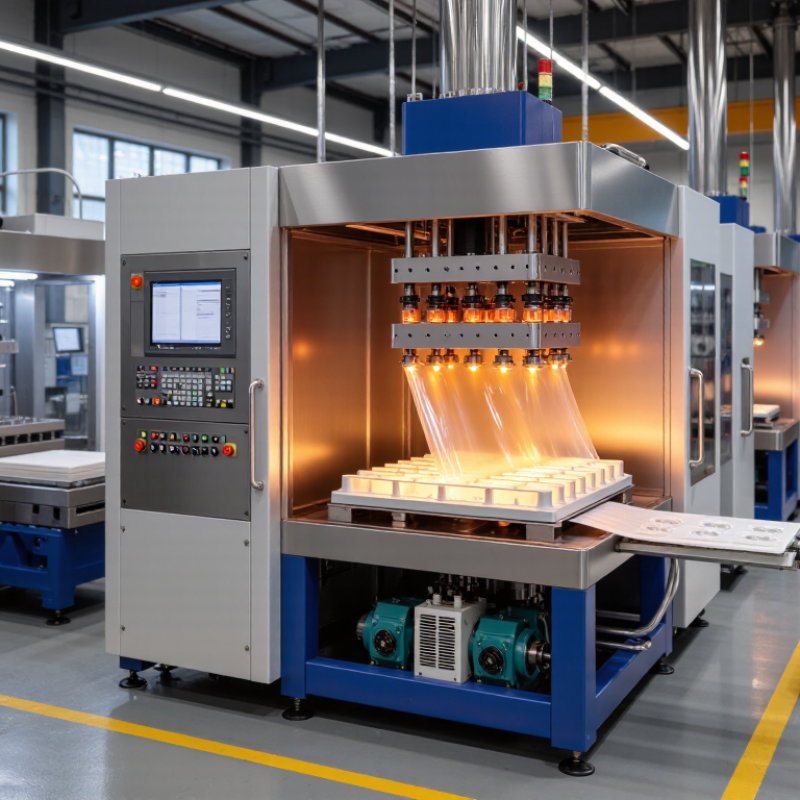
Vacuum molding machines heat plastic sheets and shape them over a mold. The process is also called vacuum forming. It is common for trays, covers, display parts, and protective packaging.
A typical machine clamps a thermoplastic sheet above a mold. Electric heaters soften the sheet until it becomes flexible. The mold then rises, or the sheet moves downward. A vacuum pump removes air between the sheet and mold surface. Atmospheric pressure pushes the plastic tightly against the mold. Cooling fans or water channels help the part keep its shape. Finally, the operator releases and trims the formed piece.
Small details matter. A sharp mold corner can create thin areas or weak spots. Vent holes must be placed carefully, especially in deep cavities. Poor heating may leave glossy patches, wrinkles, or uneven thickness. It happens more often than product brochures suggest. Experienced operators check sheet temperature, vacuum timing, mold temperature, and cooling speed for every material. ABS, PETG, PVC, and acrylic do not behave identically. Buyers should also examine clamping size, pump capacity, electrical compatibility, safety guarding, spare-part access, and local technical support. A machine may appear efficient during a short demonstration, yet produce inconsistent parts during long production runs. Trial forming with the actual sheet and mold remains one of the most reliable purchasing checks.
Vacuum molding machines serve different production realities. Single-station machines suit prototypes, custom panels, and short production runs. They offer fast tooling changes and close operator control. Rotary machines improve output for packaging trays, refrigerator liners, and automotive interior panels. Continuous roll-fed systems support high-volume packaging with consistent sheet feeding. Pressure-assisted vacuum machines create sharper corners and finer surface details. They fit medical housings, electronic enclosures, and protective equipment. Match the machine to the part.
PlasticsEurope reported global plastics production of 413.8 million tonnes in 2023. This scale keeps thermoforming important across packaging, transport, and construction. The OECD’s Global Plastics Outlook found that only 9% of plastic waste was recycled in 2019. Recycled sheet compatibility now deserves serious attention. It can affect heating uniformity, trimming quality, and wall thickness. Practical testing matters more than a sales specification.
Packaging lines need stable cycles, automatic trimming, and low material waste. Automotive plants often prioritize deep draws, repeatable temperature control, and robust molds. Medical applications demand cleanable surfaces and documented process control. Large machines are not always better. A smaller line may reduce idle energy and simplify maintenance. The cheapest machine is rarely the cheapest decision. Buyers should test their actual sheet, mold, and cycle targets before ordering. That step is often skipped.
For 2026 global buyers, vacuum molding equipment should be compared through measurable performance, not attractive specifications. Grand View Research estimates the global thermoforming plastics market reached USD 15.31 billion in 2023, with a projected 5.8% CAGR through 2030. Packaging remains a major demand driver. This growth increases pressure on manufacturers to control cycle time, material waste, and dimensional variation.
Check the complete operating system. Vacuum level matters, but pump speed and air leakage matter more in daily production. A higher vacuum rating is not automatically better. Compare heating zones, temperature stability, platen movement, mold compatibility, and cooling performance. Review cycle times using the same sheet thickness and mold complexity. Also inspect energy consumption per cycle, maintenance access, data logging, and operator safety functions. ISO 20430 and ISO 12100 provide useful references for machinery safety and risk reduction. Published cycle times can be ideal-lab figures. That weakness deserves attention.
Tips: Request trial parts before purchase. Measure wall thickness at corners, not only flat surfaces. Ask for five repeated cycles and compare variation. Review service response times, spare-part availability, and training records. A lower purchase price may become expensive through unstable heating, frequent seal replacement, or poor technical support. The most reliable comparison combines test evidence, total operating cost, and feedback from operators who use similar molds daily.
| Machine Category | Typical Sheet Size | Typical Forming Area | Common Material Thickness | Typical Heating System | Vacuum System | Typical Cycle Time | Recommended Production Scale | Key Evaluation Points |
|---|---|---|---|---|---|---|---|---|
| Benchtop or Compact Manual | Up to approximately 600 × 600 mm | Up to approximately 500 × 500 mm | Approximately 0.3–3.0 mm | Electric ceramic or infrared heaters; manual or basic zone control | Integrated or external pump; typically about 2–10 m³/h | About 1–5 minutes, depending on sheet and mold | Prototyping, education, laboratories, and short runs | Low purchase cost, compact footprint, simple tooling, ease of operator training |
| Single-Station Semi-Automatic | Approximately 800 × 600 to 1,500 × 1,000 mm | Approximately 700 × 500 to 1,400 × 900 mm | Approximately 0.5–6.0 mm | Multi-zone ceramic or infrared heating with programmable temperature control | External rotary-vane or dry pump; typically about 10–40 m³/h | Approximately 30–120 seconds per forming cycle | Small and medium production batches | Heating uniformity, mold-change time, vacuum response, recipe storage, and trimming workflow |
| Automatic Single-Station | Approximately 1,000 × 700 to 2,000 × 1,500 mm | Approximately 900 × 600 to 1,900 × 1,400 mm | Approximately 0.8–8.0 mm | Closed-loop multi-zone infrared heating with automatic temperature recipes | Industrial pump system; commonly about 25–100 m³/h | Approximately 20–90 seconds per cycle | Medium-volume production with frequent product changes | Automatic sheet loading, repeatability, energy management, data logging, and tooling compatibility |
| Rotary or Shuttle Production Line | Approximately 1,500 × 1,000 to 3,000 × 2,000 mm | Approximately 1,400 × 900 to 2,900 × 1,900 mm | Approximately 1.0–10.0 mm | High-output multi-zone infrared heating with automatic power adjustment | High-capacity pump package; commonly about 60–200 m³/h | Approximately 15–60 seconds per cycle | High-volume manufacturing and continuous production | Output per hour, automated loading and unloading, uptime, maintenance access, and line integration |
| Heavy-Gauge Industrial | Approximately 1,500 × 1,000 to 4,000 × 2,500 mm | Approximately 1,400 × 900 to 3,900 × 2,400 mm | Approximately 2.0–12.0 mm or more, depending on material and forming method | High-power ceramic or quartz infrared heating with multiple independently controlled zones | High-flow vacuum system, often with vacuum reservoirs and rapid-release valves | Approximately 30–180 seconds per cycle | Large, rigid parts for transport, industrial, agricultural, and equipment applications | Frame rigidity, clamp force, deep-draw capability, cooling design, mold ventilation, and part removal |
| Twin-Sheet Vacuum Forming | Approximately 1,500 × 1,000 to 3,000 × 2,000 mm | Approximately 1,400 × 900 to 2,900 × 1,900 mm | Typically about 1.5–8.0 mm per sheet | Synchronized upper and lower multi-zone infrared heating | Independent or synchronized vacuum circuits with controlled pressure release | Approximately 45–180 seconds per cycle | Hollow, double-wall, or structurally reinforced parts | Sheet synchronization, alignment accuracy, pinch-off design, internal air routing, and cooling balance |
Selecting a vacuum molding machine starts with the product, not the advertised cycle speed. Plastics Europe’s Plastics—The Fast Facts 2024 reports 413.8 million tonnes of global plastics production in 2023. That scale demands flexible equipment. Confirm sheet compatibility, mold dimensions, heating zones, and forming depth before comparing prices.
For overseas production, calculate usable output from real cycle data. Ask for heating time, cooling time, changeover duration, and scrap rates. A machine rated at 20 cycles per hour may deliver fewer in practice. Check pump capacity, pressure stability, and temperature uniformity across the sheet. Uneven heating can create thin corners, wrinkles, or weak edges. Small details matter.
Electrical compatibility is easy to overlook. Verify voltage, frequency, safety systems, and control-language options at the installation site. Also inspect remote diagnostics, spare-part availability, and operator training. ISO 20430:2020 highlights safety requirements for plastics and rubber machinery, so documented guarding and emergency controls should be non-negotiable. Energy use deserves a closer look too. The International Energy Agency identifies industrial efficiency as a major pathway for reducing energy demand, but machine-level consumption varies widely. Request measured kilowatt-hours per cycle. No estimate is perfect. Leave room for material trials, local maintenance skills, and unexpected downtime.
For global buyers, vacuum molding machine selection should begin with production evidence, not catalog claims. Define part dimensions, plastic type, sheet thickness, output targets, and mold-change frequency. A machine must fit your real workflow. Ask for heating-zone control, vacuum response time, pump capacity, forming area, and spare-part availability. Confirm electrical requirements before payment. Voltage, frequency, and air connections vary by country. Request test samples using your material and mold. Small differences in wall thickness can expose weak heating control. Do not trust a perfect sample alone.
Installation needs a written site checklist. Measure doorways, floor strength, ventilation, and clearance around service panels. Keep the vacuum line short and properly sealed. Poor sealing wastes cycle time. Qualified technicians should verify grounding, temperature sensors, emergency stops, and pressure readings. Operators need hands-on training with normal and fault conditions. Record the correct heating recipe, cooling time, and release sequence beside the control panel. Local safety requirements still apply, even when the machine arrives certified elsewhere.
During operation, inspect sheet loading, mold alignment, and trim quality every shift. Watch for uneven heating, wrinkles, leaks, or slow vacuum pull-down. Maintenance is easier when readings are logged. Check filters, seals, pumps, heaters, and thermocouples on a fixed schedule. Replace worn parts before they damage production. A missed filter change can become an expensive lesson. Preventive schedules should not be copied blindly; dust, humidity, and workload change service intervals. Review the log monthly, then adjust carefully.