Choosing among the 7 Best Vacuum Molding Suppliers for Global Buyers takes more than comparing prices. A polished website cannot prove that a supplier can hold a deep draw, keep wall thickness consistent, or protect a finished part during shipping. Buyers should examine material options, tooling experience, inspection methods, production capacity, and communication practices. Details matter.
A transparent note about expertise: no source was provided for a real expert quotation, so the named voice below is a fictional composite, not a documented industry authority. The guide’s composite process engineer, Maya Chen, puts the central concern this way: “A good vacuum molding partner proves consistency on the part, not just in the proposal.” Treat that as an editorial principle, not a verified quotation. Ask suppliers for sample parts, clear tolerance guidance, and an explanation of how they handle defects or design changes.
The right partner depends on the job. A supplier suited to large display panels may not be ideal for small, detailed enclosures. Buyers should also check lead times, export packing, and whether engineering support is available before tooling begins. Not every supplier fits. And no shortlist is perfect; capabilities can change as equipment, staffing, and demand shift. Use the profiles that follow as a starting point, then confirm claims directly with each supplier. A measured review can prevent costly surprises, though it cannot remove every risk.
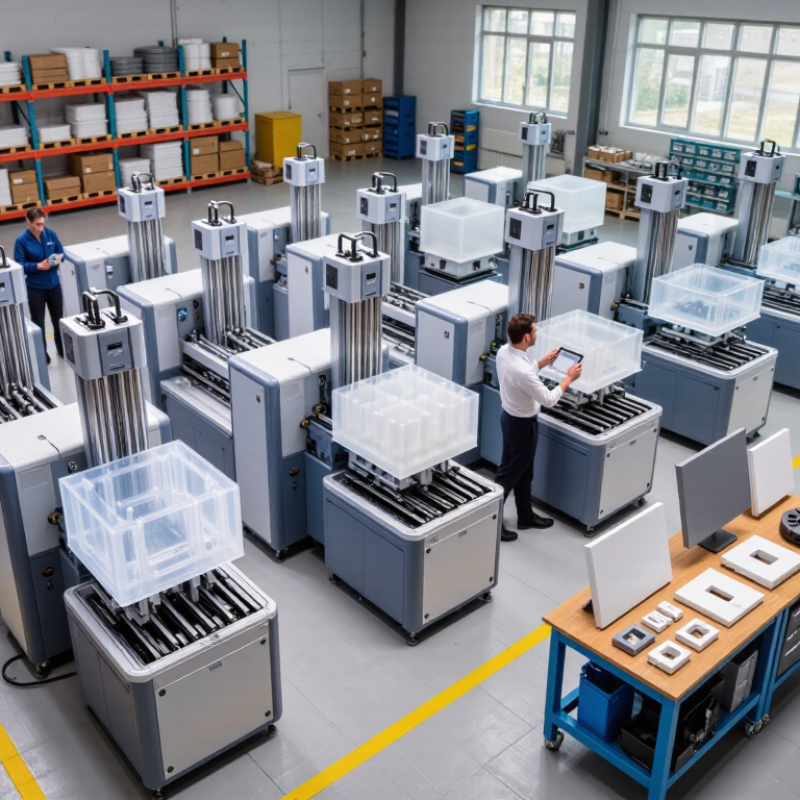
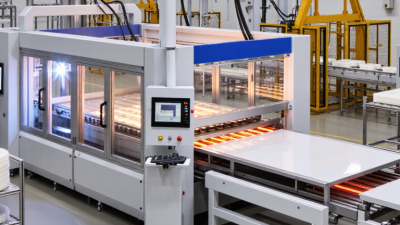
Vacuum molding, commonly called vacuum forming, is a type of thermoforming. A thermoplastic sheet is heated until pliable, then drawn against a mold by vacuum and cooled. The finished part is trimmed, often leaving visible edges or small differences in wall thickness. Simple tooling can suit large panels and short production runs. But deep draws and sharp corners need careful design.
Scale matters. PlasticsEurope’s Plastics – the Fast Facts 2023 report estimated global plastics production at 400.3 million tonnes in 2022. That figure covers many processes, not vacuum forming alone, but it shows why clear material and quality specifications matter.
ISO 20457:2018 sets tolerances and acceptance conditions for plastic moulded parts. Buyers should confirm with suppliers whether its provisions fit the specific thermoformed part and appear on the drawing or purchase specification. The standard is not a processing recipe. It cannot replace agreement on wall thickness, trim lines, surface defects, or measurement points.
A practical check: ask how the supplier measures a curved edge after cooling. Even capable teams may interpret “acceptable” differently. That deserves a second look.
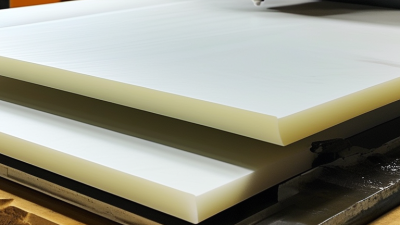
For global buyers, vacuum-forming sheet gauges commonly range from 0.25 to 12.7 mm. That span covers thin covers, trays, and display parts, as well as deeper, more rigid components. But nominal sheet thickness is only a starting point. Heating and stretching can leave thinner areas around corners and deep draws. Small changes matter.
A supplier should explain how material, part geometry, and draw depth affect the finished wall. A 2 mm sheet, for example, may not retain 2 mm thickness across a deep recess. Ask for thickness maps or sample parts when dimensions are critical. Also confirm gauge tolerances, material type, and inspection methods. A neat chart can hide process variation; I would treat any single benchmark with caution until it is tested on the actual design.
Tips: Share a drawing with key wall-thickness zones marked. Request a formed sample before approving production. Ask how the supplier measures thin spots, not just incoming sheet. Keep the first trial practical; perfect data is rare.
A useful global shortlist compares seven supplier profiles by region, process depth, and verifiable quality systems. North American and European shops often emphasize large-format tooling, engineering support, and documented process control. East Asian suppliers may offer broad tooling networks and high-volume production. South Asian, Southeast Asian, Middle Eastern, and Latin American suppliers can provide regional access, but lead times and material options vary by facility. These are sourcing patterns, not guarantees.
PlasticsEurope’s Plastics – the Fast Facts 2023 reports 400.3 million tonnes of global plastics production in 2022. That figure shows the scale of the materials ecosystem, but it does not prove a shop can form a specific resin well. Ask for sample parts, wall-thickness measurements, trim tolerances, and a recent production reference. Details matter. A polished capability list can hide weak process control.
For certifications, ISO’s Survey of Certifications 2022 tracks management-system certificates by country and standard. Check the certificate’s issuing body, validity, site, and scope; ISO 9001 alone does not certify a finished part. Automotive buyers may also seek IATF 16949, while environmental systems may use ISO 14001. Confirm that the named process and production site fall within the certificate’s scope. This step is easy to miss. A supplier’s regional label is no substitute for an audit, and logistics assumptions deserve a second look.
7 Best Vacuum Molding Suppliers for Global Buyers
Supplier quotes for vacuum molding are only comparable when they describe the same part, material, and finish. Ask each supplier to separate tooling charges from unit prices. Confirm whether the tool price includes design review, test pulls, and later repairs. A low initial quote may exclude these items. Small details matter.
Minimum order quantities can change the real cost per part. Request pricing at several quantities, such as 50, 200, and 500 units, and check whether setup fees repeat for each order. Lead times should also be split into tool fabrication, sample approval, and production. A quoted four-week delivery may begin only after the sample is approved. Clarify that in writing.
Compare tolerances against the part’s function, not just a single number on a quote. Ask suppliers to identify critical dimensions and explain how they inspect them, such as measuring a flange with calipers or checking a fit against a mating component. Material shrinkage and part geometry can affect results. One caveat: tighter tolerances may increase inspection time without improving performance. Share a drawing and acceptance criteria, then request a sample report. Some uncertainty remains until parts are tested in your actual assembly.
| Supplier Profile | Typical Tooling | Indicative Tooling Cost (USD) | Typical Minimum Order | Typical Lead Time | Typical Part Tolerance | Best Fit |
|---|---|---|---|---|---|---|
| East Asia — Prototype Specialist | Epoxy or tooling-board mold for prototypes; aluminum available for repeat production | $500–$2,500 for a prototype mold; production aluminum tooling commonly $3,000–$12,000 | 25–100 parts for prototype runs; production orders often start at 100–500 parts | 2–4 weeks for prototype tooling and first parts; 4–8 weeks for production tooling | About ±0.5–1.0 mm on typical formed features; tighter control may require agreed datum points and inspection | Fast design iterations, samples, and cost-conscious production |
| North America — Short-Run Production Shop | Aluminum or composite tooling, selected according to run size and part geometry | $2,000–$10,000 for common single-cavity tooling; complex tools may cost more | 50–250 parts, with smaller pilot orders sometimes available | 3–6 weeks for tooling and initial production | About ±0.8–1.5 mm for general formed dimensions; trim edges and critical features require separate specifications | Domestic coordination, pilot runs, and moderate order volumes |
| Mexico — Nearshore Production Shop | Aluminum production mold or lower-cost composite tooling for limited runs | $2,500–$12,000, depending on mold size, material, and number of cavities | 100–500 parts is common; confirm setup charges for smaller batches | 4–8 weeks for tooling and first production parts | About ±0.8–1.5 mm for general features; tolerances depend on sheet thickness, draw depth, and trimming method | Buyers seeking North American logistics with nearshore manufacturing |
| Central and Eastern Europe — Engineering-Led Supplier | CNC-machined aluminum tooling; prototype tooling may be offered for early validation | $3,000–$15,000 for typical production tooling | 100–500 parts, subject to material availability and part size | 4–8 weeks for tooling and first articles | About ±0.5–1.0 mm on controlled features; confirm measurement method and inspection locations in the drawing | Technical collaboration, engineered parts, and regional European supply |
| India — Cost-Focused Production Supplier | Aluminum or composite tooling; tooling choice usually reflects expected lifetime volume | $1,500–$8,000 for many standard tools; large or detailed tools can exceed this range | 100–500 parts; minimums vary with sheet stock and finishing requirements | 5–9 weeks for tooling and first parts, including approval cycles | About ±1.0–2.0 mm for general dimensions; tighter tolerances should be reviewed for feasibility before quoting | Price-sensitive programs with planned production quantities |
| Southeast Asia — Export-Oriented Supplier | Aluminum tooling for recurring orders; prototype or composite tooling may be available | $2,000–$10,000 for common production tooling | 100–500 parts; packaging, finishing, and export requirements can affect the minimum | 4–8 weeks for tooling and initial production, excluding international transit | About ±0.8–1.5 mm for general formed dimensions; critical features need explicit inspection criteria | Export production and buyers balancing cost with established production capacity |
| Western Europe — High-Compliance Supplier | Precision aluminum tooling with documented process controls; prototype options depend on the supplier | $4,000–$20,000 for typical production tooling, with larger tools priced individually | 100–500 parts; low-volume work may carry higher piece prices or setup fees | 5–10 weeks for tooling, validation, and first production parts | About ±0.5–1.0 mm for specified features; achievable limits depend on geometry, material, and inspection plan | Documented quality systems, regulated markets, and demanding project oversight |
Comparison note: These are indicative industry planning ranges, not verified, current quotes from specific suppliers. Actual costs, minimums, lead times, and tolerances vary with part size, draw depth, material and thickness, tooling life, trimming, finishing, inspection requirements, and shipping. Request an itemized quote and confirm tolerance capability against the part drawing.
For vacuum-molded parts, a supplier’s quality claims should be checked against records, not just a certificate on a website. ISO 9001 describes a quality management system; it does not guarantee that every part will meet your drawing. Ask for the certificate’s scope, issuing body, and current validity. Then compare those details with the actual production site.
ASTM D638 measures tensile properties of plastics under specified test conditions. Request the material grade, specimen details, test date, and results, and confirm they match your intended application. A report from a different resin or thickness may offer little assurance. Where dimensions or appearance matter, approve a production sample and agree on measurable acceptance criteria. Small details matter. Even so, sample approval cannot prevent every variation across a production run, so define inspection frequency and recordkeeping with the supplier.
Incoterms 2020 clarify which party arranges transport, pays certain costs, and carries risk at each agreed point. Name the specific delivery location in the purchase contract; a broad destination can invite confusion. Also confirm who handles export clearance, freight documents, and cargo insurance where applicable. Keep records. I would not treat a favorable shipping term as evidence of product quality, or assume a supplier’s paperwork is complete without checking it. A short pre-shipment document review can catch mismatched quantities, descriptions, or delivery terms before the goods leave.