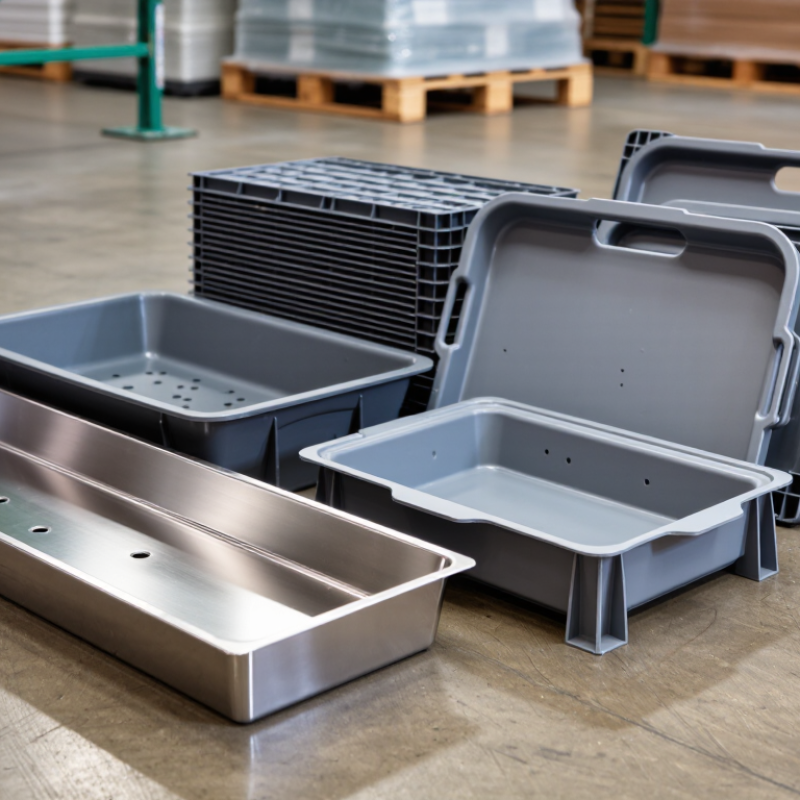
Why Are Drip Trays Essential for Global Buyers?

For global buyers, drip trays are more than simple containers placed beneath equipment. They help manage leaks, condensation, cleaning water, and accidental spills in warehouses, workshops, kitchens, and industrial facilities. A well-chosen tray can protect floors, reduce maintenance interruptions, and make routine inspections easier.

In real purchasing projects, small details often decide performance. Buyers should check the tray’s length, width, depth, load capacity, surface design, and resistance to the intended liquid. A stainless steel tray may suit demanding environments, while reinforced plastic can reduce weight and shipping costs. Raised edges matter. So do smooth corners, drainage options, and safe handling features. Packaging also deserves attention because cracked corners can appear after a long international shipment. Ask suppliers for material specifications, dimensional tolerances, test records, and clear product photographs. Independent verification is helpful when the order is large or technically sensitive.

No tray solves every spill.

A tray can look strong yet warp under uneven loads. It may also fit the equipment but leave too little clearance for cleaning. These mistakes are easy to miss during remote procurement. Global buyers should compare samples, confirm production consistency, and discuss replacement procedures before placing bulk orders. Requirements may differ by country, facility type, and application, so professional advice can prevent costly assumptions. Reliable suppliers explain limitations instead of promising universal performance. That honesty matters. The best buying decision balances protection, durability, transport efficiency, documentation, and long-term usability. This guide examines why drip trays deserve careful attention and how buyers can evaluate them with greater confidence.

Why Are Drip Trays Essential for Global Buyers?

What Is a Drip Tray and What Does It Do?

A drip tray is a shallow container placed beneath equipment, storage areas, or liquid-handling points. It collects leaks, drips, and small spills before they reach floors or nearby products. Common materials include coated steel, stainless steel, and chemical-resistant plastic. Each option suits different temperatures, liquids, and working environments.

The tray creates a visible control point. Workers can notice liquid buildup during routine inspections. They can then identify a loose fitting, damaged container, or blocked drain. In warehouses, a tray may protect concrete flooring from stains and reduce cleaning time. In workshops, raised edges help keep oil or water inside the tray. This is practical protection.

For global buyers, capacity and dimensions deserve careful checking. Measure the equipment footprint, then leave enough room for access and cleaning. A tray that fits tightly may be difficult to inspect. A tray that is too shallow may overflow during an unexpected leak. Not perfect. Material compatibility also matters, because some liquids can weaken certain plastics or coatings over time. Buyers should request load ratings, surface details, maintenance guidance, and test documentation from suppliers. These records support more reliable purchasing decisions across different facilities. A drip tray cannot replace safe storage, regular inspections, or proper spill procedures. It is one useful layer in a broader risk-control system.

Why Drip Trays Matter for Global Buyers

Why Are Drip Trays Essential for Global Buyers?

Why Drip Trays Matter for Global Buyers

A drip tray protects floors, shelves, and work areas from hidden leaks. For global buyers, this simple accessory can prevent costly damage during daily use. A well-designed tray collects excess water, soil, and small spills before they spread. This matters in homes, nurseries, warehouses, and commercial growing spaces.

Experienced buyers should check tray dimensions, material thickness, drainage design, and load capacity. A tray that looks strong may bend under heavy containers. Smooth surfaces make cleaning easier, especially after repeated watering. Buyers should also confirm packaging quality, because thin edges can crack during long-distance transport. I have found that small sizing mistakes create the most frustration. Measuring the container and available space twice is worth the effort.

Tips: Choose a tray slightly wider than the container. Check its depth before ordering. Ask for product measurements and clear material details. Review sample photos carefully, but remember that photos can hide warping. If possible, test one unit before placing a larger order. A practical tray should remain stable, resist moisture, and fit the buyer’s routine. Cheap options sometimes fail early. That is not always obvious.

Key Types and Materials of Drip Trays

Why Are Drip Trays Essential for Global Buyers?

Key Types and Materials of Drip Trays

A drip tray catches leaks beneath machines, containers, or equipment. For global buyers, the right type reduces cleanup, product loss, and floor damage. I have found that tray selection often fails when buyers consider size alone. Load, liquid behavior, handling, and storage conditions matter just as much.

Flat trays suit light leaks and routine maintenance. Lip-edge trays add a raised rim for fluids that spread quickly. Bunded trays provide deeper containment for larger containers or repeated spills. Some include grates, allowing equipment to stand above collected liquid. Common materials include polypropylene, polyethylene, stainless steel, and galvanized metal. Polypropylene is lightweight and resists many cleaning chemicals. Polyethylene offers toughness and practical outdoor performance. Stainless steel handles heat and frequent washing, but costs more. Galvanized metal can be strong, though damaged coatings may invite corrosion. Material claims still need verification against the actual liquid.

Tips: Measure the equipment footprint, then add clearance for movement. Check working capacity, not only external dimensions. Ask for test data, wall thickness, temperature limits, and chemical compatibility. Inspect drain fittings and grating strength before purchase. Export packaging also deserves attention; thin protection can arrive cracked. I once underestimated forklift access, making the tray difficult to position. That mistake was avoidable. Samples help when tolerances are tight, because catalog drawings may hide practical details.

Why Are Drip Trays Essential for Global Buyers?
Key Types and Materials of Drip Trays
Drip trays help collect leaks, condensation, process fluids, and accidental spills before they reach floors, equipment, or drainage systems. The specifications below summarize commonly used tray types and material characteristics for international purchasing decisions.
Tray Type Typical Material Common Size Range Typical Capacity Key Functional Features Suitable Applications Global Buying Considerations
Appliance Drip Tray Polypropylene (PP), ABS, or galvanized steel Approximately 500–1,200 mm long; 400–900 mm wide Approximately 10–60 L Low profile, molded edges, optional drain connection, easy cleaning Air-conditioning units, refrigerators, water heaters, and indoor equipment Confirm equipment footprint, drain outlet position, wall clearance, and local electrical or building requirements
Machine Tool Drip Tray Painted steel, stainless steel, or high-density polyethylene (HDPE) Approximately 600–2,400 mm long; 400–1,200 mm wide Approximately 20–180 L Rigid construction, raised perimeter, optional grate, resistance to cutting fluids CNC machines, lathes, pumps, compressors, and workshop equipment Check load-bearing requirements, forklift access, fluid compatibility, and surface protection against corrosion
Spill Containment Tray HDPE, PP, fiberglass-reinforced plastic, or stainless steel Approximately 600–2,000 mm long; 400–1,500 mm wide Approximately 20–250 L High sidewalls, seamless construction options, removable grate, pallet-compatible formats Chemical containers, oil drums, batteries, maintenance areas, and storage zones Select capacity according to the stored container volume and applicable local spill-control rules
Cable Tray Drip Tray Galvanized steel, stainless steel, or aluminum Common widths of 50–600 mm; modular lengths of 1,000–3,000 mm Usually designed for localized drainage rather than bulk storage Perforated or solid base, integrated fastening points, modular joining sections Industrial cable routes, data centers, tunnels, and process plants Verify cable load, corrosion category, installation environment, and compatibility with support systems
Laboratory Drip Tray Polypropylene, HDPE, stainless steel, or PTFE-lined metal Approximately 300–1,200 mm long; 200–800 mm wide Approximately 3–50 L Chemical-resistant surface, smooth corners, easy decontamination, optional splash guard Laboratories, testing areas, medical facilities, and chemical handling stations Request chemical compatibility data for acids, solvents, oxidizers, and cleaning agents before ordering
Roof or Balcony Drip Tray UV-stabilized HDPE, aluminum, coated steel, or stainless steel Approximately 600–2,000 mm long; 400–1,200 mm wide Approximately 15–150 L Weather-resistant finish, drain fitting, reinforced base, optional mounting brackets Outdoor HVAC units, rooftop equipment, balconies, and exterior service platforms Check UV exposure, wind conditions, freeze-thaw cycles, drainage routing, and building waterproofing details
IBC or Drum Spill Tray HDPE, steel with protective coating, or stainless steel Common footprint: about 1,200 × 1,200 mm for one IBC position Approximately 100–1,200 L, depending on configuration Heavy-duty grate, forklift pockets, high load capacity, optional drain valve Bulk liquid storage, oils, detergents, inks, and industrial chemicals Confirm container dimensions, grate load rating, stacking policy, drain controls, and regional environmental regulations
Custom Fabricated Drip Tray Stainless steel, aluminum, galvanized steel, PP, or HDPE Made to drawing; commonly 300–3,000 mm in length Calculated from internal dimensions and required freeboard Custom outlets, bends, partitions, covers, sensors, and mounting points Production lines, transport equipment, energy systems, and specialized machinery Provide CAD drawings, tolerances, fluid data, operating temperature, installation method, and inspection requirements
PP and HDPE: Lightweight plastics with good resistance to moisture and many chemicals; confirm compatibility with specific solvents and temperatures.
Stainless Steel: Durable and easy to clean, with strong corrosion resistance that varies by grade and chemical exposure.
Galvanized or Coated Steel: Suitable for rigid, load-bearing designs; damaged coatings may reduce corrosion protection.
Note: Size and capacity figures are commonly used planning ranges rather than universal standards. Final selection should be based on the equipment footprint, liquid properties, required containment volume, local regulations, and the supplier’s certified load and material data.

How to Choose the Right Drip Tray for International Use

Choosing the right drip tray for international use requires more than checking its dimensions. Start with the liquid, not the catalogue photo. Confirm chemical compatibility, temperature range, UV exposure, and expected impact. Polyethylene may suit oils and cleaning fluids, while aggressive solvents need specialist material testing. A tray that survives a warehouse may crack after months in sunlight.

Capacity matters during transport and storage. The U.S. Environmental Protection Agency’s SPCC guidance requires oil containment to hold the largest single container, plus freeboard for precipitation. This is not a universal global rule, but it provides a useful engineering benchmark. Measure the container’s actual volume, then add practical safety margin. Small trays often look efficient. They can overflow quickly.

International movement adds other risks. The UNCTAD Review of Maritime Transport 2023 states that over 80% of global merchandise trade by volume moves by sea. Salt air, temperature changes, vibration, and rough handling can expose weak designs. Choose reinforced edges, stable feet, and lifting points when needed. Ask suppliers for load tests, material data sheets, leak-test records, and clear dimensions. Check whether documents use metric units. An overlooked inch-to-millimetre error has caused costly purchasing mistakes. Also verify packaging requirements and destination-country environmental rules before shipment. In practice, buyers sometimes specify maximum capacity but forget drain access. That detail deserves a second review.

Global Standards, Sourcing, and Maintenance Considerations

Drip trays are simple components, but global purchasing makes their requirements surprisingly complex. They collect leaks, condensation, and cleaning water before moisture reaches floors, wiring, or stored goods. In real facilities, a tray often protects more than equipment. It can reduce slip risks and reveal problems early. However, performance depends on material, load, temperature, and exposure. A tray suitable for a dry warehouse may fail near salt air. Small details matter. Drain outlets, raised edges, and stable feet deserve practical testing, not assumptions.

Global buyers should request clear specifications before comparing prices. Confirm dimensions, wall thickness, capacity, finish, and compatible drainage fittings. Ask for material declarations, inspection records, and test evidence when the application requires them. Applicable safety and environmental standards may differ by destination and industry. Do not treat a generic certificate as universal approval. That assumption can fail. Reliable suppliers should explain tolerances, packaging methods, and batch traceability. Samples are useful, but they cannot represent every production variation.

Maintenance planning should begin during sourcing. Operators need access for draining, washing, and visual inspection. Standing water can leave scale, odors, or corrosion marks. Set inspection intervals based on usage, not a convenient calendar. Replace trays when cracks, deformation, or blocked outlets appear. I have seen teams delay replacement because the tray still looked usable. That decision created more cleaning work later. Perhaps the better question is not whether a tray is cheap, but whether its full service life is predictable.

Why Are Drip Trays Essential for Global Buyers?

Global buyers use secondary containment to reduce spill risks during storage, transfer, and maintenance. This chart applies a widely used 110% containment benchmark to common container sizes. Local environmental, fire-safety, and chemical-storage requirements should always be verified before purchase.

Procurement note: Select trays with suitable chemical compatibility, load capacity, UV resistance, drainage control, and access for inspection. The 110% calculation is a practical reference benchmark used in several oil-storage frameworks, but regional regulations may require additional allowances for rainfall, multiple containers, or hazardous substances.

Go to Top