
Where to Buy the Best Harbor Cranes in China?

Choosing where to buy Harbor Cranes in China is not simply a search for the lowest quotation. A reliable purchase begins with the job: vessel size, quay layout, cargo type, lifting capacity, and operating hours. A crane moving containers in a busy terminal faces different demands from one handling bulk cargo. Those details shape the design, delivery plan, and long-term cost. Small oversights can become expensive.

A fictional procurement specialist, Lin Wei, offers this original observation for the guide: “A crane’s real value shows in reliable lifts, responsive service, and parts that arrive when needed.” Treat that as a buying principle, not a verified quotation. When comparing Chinese suppliers, ask for relevant project references, factory inspection options, load-test documentation, component specifications, and a clear commissioning plan. Request details about corrosion protection, control systems, operator training, and spare-parts availability. Ask who will answer when a sensor fails during a night shift.

The best supplier is not always the largest or most familiar name. Compare technical proposals line by line, and clarify what the quoted price excludes. Freight, installation, commissioning, and after-sales support may be handled separately. Get commitments in writing. Then speak with customers whose cranes work in similar conditions. Their feedback can reveal delays or service gaps that brochures miss. No checklist removes every risk. Still, careful questions can help buyers find Harbor Cranes suited to their ports, budgets, and daily workloads.
Where to Buy the Best Harbor Cranes in China?

Types of Harbor Cranes Used in Chinese Ports

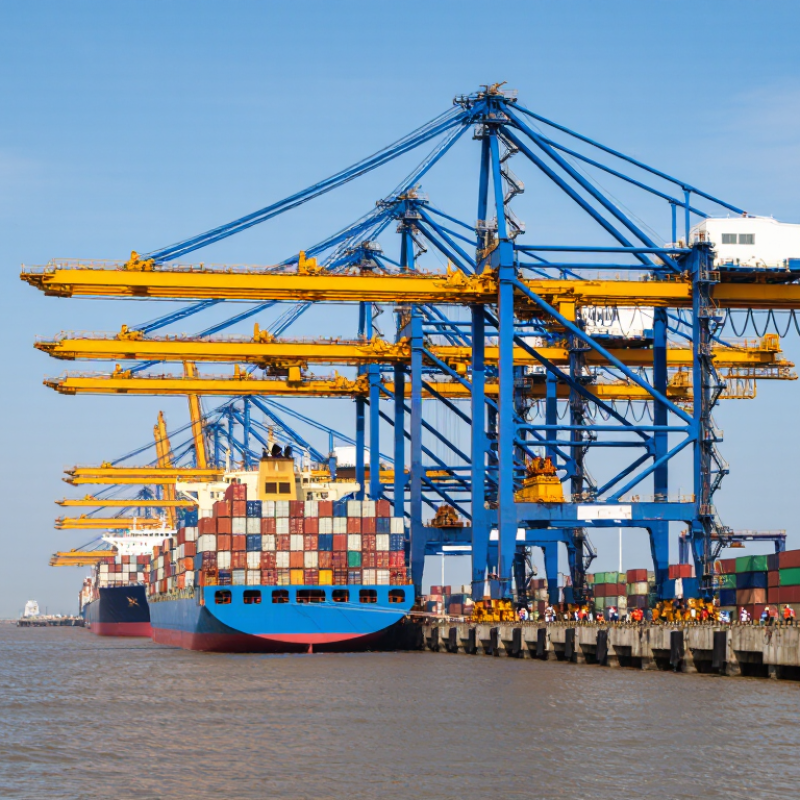
Chinese ports use several harbor crane types, matched to cargo, berth depth, yard space, and vessel size. Ship-to-shore gantry cranes lift containers between ships and quay. Their long booms reach across wide vessels, while operators position containers onto trailers below. At busy container terminals, this equipment can handle large volumes, but it needs strong foundations and careful traffic planning. The quay is crowded work.

Rubber-tyred gantry cranes and rail-mounted gantry cranes move containers around storage yards. The first can change lanes more freely; the second follows fixed tracks and suits organized, high-density yards. For mixed cargo or changing vessel schedules, mobile harbor cranes offer flexible lifting with wheeled movement and interchangeable attachments. Bulk terminals may use grab cranes to transfer coal, ore, or grain into hoppers. Dust control and accurate weighing matter here. Details are easy to overlook.

Choosing a crane is not only about rated lifting capacity. Buyers should compare outreach, lift height, duty cycle, wind limits, maintenance access, and compatibility with existing power systems. Ask for operating data from similar ports, not just a catalog figure. Even a strong crane can become a bottleneck if trucks, hoppers, or yard systems cannot keep pace. Port layouts are rarely perfect, and small workflow gaps often show up only after installation.

Key Specifications for Comparing Harbor Crane Suppliers

Where to Buy the Best Harbor Cranes in China?
Key Specifications for Comparing Harbor Crane Suppliers

A useful comparison starts with the work, not the quoted price. Check rated capacity, working radius, and lifting height against your vessel sizes and berth layout. A crane rated for a heavy load may lift less at full outreach. Ask suppliers for load charts that show capacity across the operating range. Small details matter.

Review duty class and expected operating hours, especially for terminals handling repeated shifts. Confirm wind limits, corrosion protection, and the specified temperature range. Ask how the crane performs during frequent starts and stops. These conditions affect component wear and maintenance planning. A tidy specification sheet can still hide assumptions, so request definitions for unclear terms.

Compare electrical requirements, control systems, safety features, and inspection records. Request drawings, test procedures, and a sample maintenance schedule before final selection. Check whether common spare parts are available and how quickly technical support can respond. I would not treat a fast delivery promise as proof of readiness; installation, commissioning, and operator training need clear timelines too. Suppliers should explain what is included, what is optional, and which site conditions could change the offer. A slightly awkward question now can prevent a costly surprise later.

Major Harbor Crane Manufacturing Regions in China

Where to Buy the Best Harbor Cranes in China?

Major Harbor Crane Manufacturing Regions in China

China’s harbor-crane suppliers cluster around major industrial and port regions. The Yangtze River Delta, including Jiangsu, Shanghai, and Zhejiang, benefits from dense steel, electrical, and machinery supply chains. Jiangsu is a practical place to investigate heavy equipment production; Shanghai adds engineering and logistics expertise. Buyers should still check each factory’s experience with the required lifting capacity and operating conditions. Geography alone proves little.

The Bohai Rim, including Shandong, Liaoning, and Tianjin, is another important equipment and port-industry zone. Guangdong’s Pearl River Delta offers access to manufacturing networks and busy coastal terminals. These regions are not interchangeable. A crane designed for a container terminal may not suit bulk cargo handling, where dust, grab systems, and duty cycles matter more.

Demand is substantial. The Ministry of Transport’s 2023 Statistical Bulletin on the Development of the Transportation Industry reported 16.97 billion tonnes of port cargo throughput and 310.34 million TEUs of container throughput nationwide. Those figures describe port activity, not crane sales, but they help explain the depth of China’s harbor-equipment market. Ask suppliers for load charts, inspection records, component specifications, and references for comparable installations. Details matter. A regional map is useful, but it cannot replace a factory audit; I would not treat that distinction as minor.

Where to Buy the Best Harbor Cranes in China? — Major Harbor Crane Manufacturing Regions in China
Region Key Industrial Locations Regional Sourcing Context Crane Types to Explore Potential Buyer Fit Checks Before Shortlisting
Jiangsu Nantong, Suzhou, Taizhou and other Yangtze River Delta industrial areas Located in a major manufacturing and logistics region with access to the Yangtze River and coastal ports. Heavy equipment, metalworking and marine-related supply chains are present across the province. Ship-to-shore container cranes, rail-mounted gantry cranes, mobile harbor cranes and bulk-handling equipment Buyers comparing large port projects and suppliers within the Yangtze River Delta Confirm the actual production site, lifting capacity, outreach, rail gauge, applicable standards and export references.
Shanghai Shanghai metropolitan area and neighboring Yangtze River Delta industrial zones A major international port and logistics center. The wider region offers access to engineering services, transport links and port-equipment supply chains. Container-terminal cranes, yard gantry cranes and specialized terminal handling systems Projects that value access to port engineering, international logistics and regional technical services Distinguish local manufacturing from regional sales or engineering offices; verify fabrication capabilities and service coverage.
Zhejiang Ningbo, Zhoushan and other coastal industrial areas Coastal province with important seaports and marine industries. Ningbo and Zhoushan form a major port area serving domestic and international shipping. Bulk cargo cranes, container-handling equipment, shipyard cranes and port material-handling systems Buyers seeking equipment for coastal terminals, bulk cargo operations or marine facilities Check suitability for the site’s wind, salt-spray and corrosion conditions, along with local commissioning and maintenance arrangements.
Shandong Qingdao, Yantai and other coastal industrial centers Has a substantial coastal port network and established industrial and marine-engineering activity, making it a relevant region to investigate for port equipment sourcing. Container cranes, bulk-handling cranes, shipyard cranes and general cargo equipment Projects serving ports, shipyards and industrial terminals along the northern coast Review reference projects with comparable cargo, operating hours, environmental conditions and crane configuration.
Liaoning Dalian and other Liaodong Peninsula industrial areas Northeastern coastal province with major ports and a long-standing industrial and shipbuilding base. Its northern location can be relevant for cold-weather port operations. Bulk cargo cranes, container-terminal equipment, shipyard cranes and heavy-duty port cranes Buyers with projects in northern ports or facilities requiring cold-climate operating provisions Specify minimum operating temperature, wind and icing conditions, corrosion protection and winter maintenance requirements.
Guangdong Guangzhou, Shenzhen and the Pearl River Delta A large export-oriented manufacturing region connected to major ports and international shipping routes. The Pearl River Delta supports broad equipment and component supply chains. Container-terminal cranes, yard gantry cranes, mobile harbor cranes and cargo-handling systems Buyers prioritizing access to export logistics and suppliers in southern China Confirm heavy-lift transport and shipment plans, port access for delivery, spare-parts availability and overseas service support.

Buyer note: These are regional sourcing areas, not a guarantee that every listed crane type is manufactured locally. Verify the supplier’s factory location, product certifications, project references, customization scope, delivery terms and after-sales responsibilities before placing an order.

How to Verify Manufacturers and Their Certifications

Where to Buy the Best Harbor Cranes in China?

How to Verify Manufacturers and Their Certifications

Choosing a harbor crane supplier in China should begin with evidence, not a polished brochure. Ask for the factory’s Chinese business license, unified social credit code, and registered manufacturing scope. Check that the production address matches audit and certificate records. Small mismatch? Pause.

ISO’s 2022 Survey reported 1,265,216 valid ISO 9001 certificates worldwide. That figure makes verification essential: an ISO logo alone does not prove a specific crane’s quality. Request the certificate number, issuing body, covered site, scope, and expiry date. Confirm these details with the issuer or an official accreditation database. For China-issued certificates, check the certification body in CNCA’s public records and its relevant accreditation scope with CNAS. Read the scope carefully.

For the crane itself, request design calculations against applicable standards, such as GB/T 3811, plus load-test records, weld documentation, material traceability, and inspection logs. Match serial numbers on test reports to the equipment being offered. Ask to witness a functional test with a clearly identified test load. I would not treat a neat document folder as proof; records can be incomplete. That is exactly why a factory visit and independent inspection matter.

Where to Buy and How to Assess Service and Support

Where to Buy the Best Harbor Cranes in China?
Where to Buy and How to Assess Service and Support

China has a broad harbor-crane supply base, with manufacturers and trading firms serving ports, terminals, and industrial projects. Buyers can compare suppliers through port-equipment exhibitions, procurement directories, and direct factory inquiries. Keep the shortlist practical. Ask for references on cranes with similar lifting capacity, outreach, duty cycle, and waterfront exposure. A glossy catalogue cannot show how a crane performs after months of salt spray.

Before comparing prices, examine the service plan. Request written details on commissioning, operator training, inspection schedules, warranty exclusions, and spare-parts availability. Ask who handles urgent faults, where technicians are based, and what response time is stated in the contract. Get a parts list for brakes, drives, sensors, and control components. Small details matter. A low quote may exclude travel, software support, or replacement parts.

Speak with a recent customer, preferably at a working terminal, and ask how long repairs actually took. Review sample maintenance records and escalation procedures, not only presentation slides. If possible, visit the assembly and testing area; check weld documentation, load-test records, and packing protection for sea transport. One caution: a tidy factory visit is only a snapshot. It may not predict support during a busy season, so verify commitments in writing and ask what happens when promised parts are delayed.

Where to Buy the Best Harbor Cranes in China? Assessing Service and Support

Suggested buyer scorecard weights—not market statistics. Compare suppliers using documented service coverage, spare-parts availability, response commitments, warranty terms, and commissioning and training plans. Verify each claim in writing and, where possible, through customer references and site visits.

Go to Top