
Fitted Baseball Caps sit at the intersection of sportswear and everyday style. Unlike adjustable designs, they depend on accurate sizing, a stable crown, and consistent materials. Small details matter: a crown that sits too high, a brim that feels stiff, or a sweatband that stays damp can change the whole experience. Fit is personal.
The market context is substantial, though broad market figures need careful interpretation. Grand View Research estimated the global headwear market at about US$26.5 billion in 2022 and forecast growth through 2030 in its Headwear Market Size, Share & Trends Analysis report. That category includes many products beyond baseball caps, so it is not a fitted-cap sales figure. Still, it signals strong competition around quality, design, and brand identity. Not every popular cap is comfortable. Not every premium price proves better construction.
This guide compares ten leading fitted baseball caps using practical criteria: fit consistency, fabric feel, crown shape, ventilation, durability, and value. It also considers brand specifications and customer feedback where available, while recognizing that head shape and preferences vary. Look for clear sizing information, a smooth interior band, and stitching that appears even around the panels. A cap may look perfect online but press awkwardly above the ears in real life. That detail is easy to overlook. The selections offer a useful starting point, not a universal ranking. Check sizing charts and return policies before buying. The best choice feels secure without pressure and keeps its shape through regular wear.
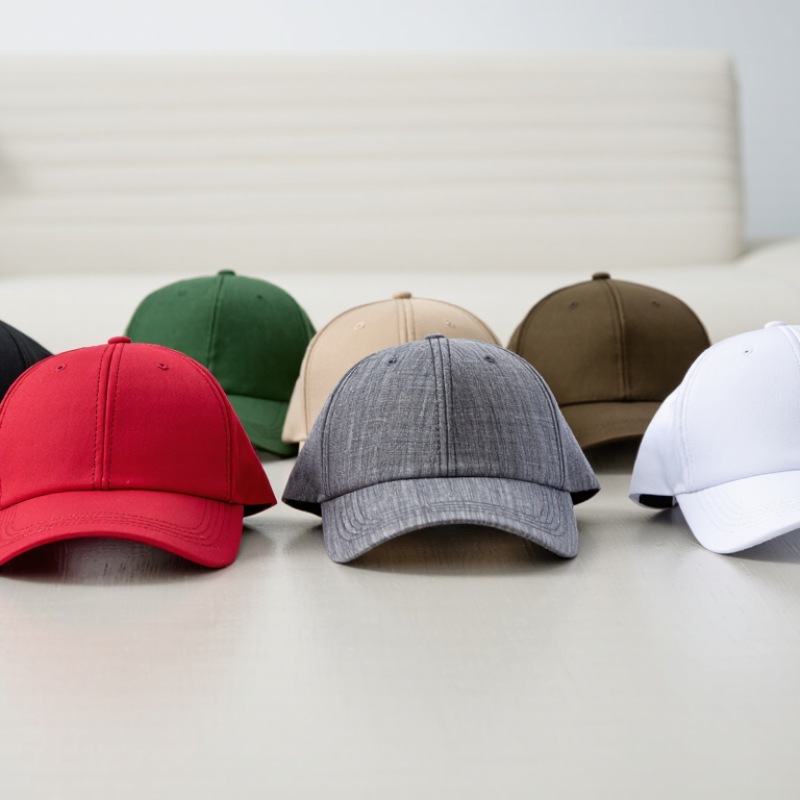
A fitted baseball cap has a closed back and no strap, buckle, or snap adjustment. Its size is fixed, so the head measurement matters. Crown shape matters too. A low crown sits closer to the head; a high crown leaves more room above it. Structured front panels hold their shape, while unstructured panels soften and crease. These details can change how the same size feels.
Sizing labels are not perfectly consistent across makers. Measure around the head, just above the ears and across the brow, keeping the tape level. The 2012 Anthropometric Survey of U.S. Army Personnel measured 6,068 men and 4,082 women, illustrating the range of head dimensions within a defined adult sample. Those participants are not a stand-in for every cap buyer, though. Use a size chart as a guide, then check the cap’s listed circumference and return policy.
Tips: Measure twice, in centimeters and inches. Try the cap with your usual hairstyle; even a small change can affect pressure at the temples. Check the crown in a mirror from the side. If the brim feels right but the crown pinches, the shape may be wrong—not just the size. A chart helps. It does not promise comfort.
A practical top-ten comparison starts with fit, not appearance. Fitted sizing often uses measured head circumference or fractional hat sizes, but size ranges vary between makers. Measure above the ears, then check the cap’s own chart. Small differences matter.
For firm shape, compare a structured wool-blend cap, a cotton-twill cap, a polyester performance cap, and a reinforced-front cap. Their stiffened panels hold a defined crown, while fabric weight affects warmth and airflow. A mesh-backed option vents heat better. A lightweight stretch-knit cap may flex across nearby sizes, though its fit can loosen with wear. Check seam placement and lining, too. Small details count.
For a softer feel, compare an unstructured cotton cap, a low-profile design, a high-crown design, and a moisture-wicking synthetic cap. These differ in crown depth, panel support, and sweat control, not just fabric. Try each with the brim at your usual angle. It sounds obvious, but photos hide depth.
A useful ranking should report available fitted sizes, fabric composition, panel count, closure type, and whether the front is reinforced. Those details make comparisons more dependable than a “best overall” label.
One limitation remains: a size chart cannot fully predict comfort; head shape and personal preference still matter.
A useful top-ten comparison starts with fit, not appearance. MLB uniform and cap specifications establish the approved on-field baseline, while exact details can vary by club and season. Check current official guidance before judging whether a cap meets those requirements. A retail size chart alone cannot confirm compliance.
For performance, test each fitted cap during sprints, sharp turns, and simulated innings. Note whether the crown shifts, the band presses against the forehead, or the bill blocks useful peripheral vision. Fit is personal. Also consider ventilation and how quickly the interior feels damp under bright stadium lights. Small differences matter over nine innings.
Compare candidates using the same conditions: matched sizes, similar activity, and consistent wear time. Record comfort, stability, shade, and any pressure points rather than relying on a quick try-on. One test may still miss hot-weather fatigue, so repeat it when possible. A cap can look correct beside a uniform yet feel distracting in motion. Rank the ten options by documented specifications and observed play, not by styling alone.
A useful top-ten comparison of fitted baseball caps should begin with fit, not appearance. The best options hold their shape without squeezing the temples or leaving a gap above the ears. Try them for several minutes, then turn your head and look down. A cap that shifts during ordinary movement may feel fine on a shelf but fail outdoors. Small details matter. Crown depth varies, so one size can sit neatly on one head and awkwardly high on another.
Ventilation depends on fabric, lining, and construction. Eyelet holes help, but they cannot make heavy, dense material feel cool on a warm afternoon. Check whether the inner band feels soft and dries reasonably quickly. The brim deserves equal attention: a balanced curve shades the eyes without blocking too much upward view, while a firm underside resists bending in a bag. There is no perfect curve for everyone.
For long-term durability, inspect seams around the brim and crown, plus the stitching on the sweatband. Tug gently; loose threads are an early warning, not a lab test. Washability matters, too, though frequent cleaning can soften structure. A cap may score highly on ventilation yet lose its shape sooner. That trade-off is easy to overlook. Compare the ten candidates after repeated wear, and judge comfort again at the end of the day—not just in front of a mirror.
This comparison ranks common fitted-cap construction types, not branded products. Ratings are editorial assessments based on typical materials and design; actual performance varies by fabric, construction, sizing, and care.
| Rank | Fitted Cap Type | Typical Construction | Fit | Ventilation | Brim Design | Long-Term Durability | Best For | Overall |
|---|---|---|---|---|---|---|---|---|
| 1 | Performance Stretch-Fit | Lightweight synthetic fabric with elastic stretch panels; usually a structured crown. | Adaptable, close fit; check the maker’s size chart because stretch does not replace correct sizing. | Good when the fabric includes breathable panels or a moisture-managing weave. | Curved or gently pre-curved; commonly designed for active use. | Good with routine care; frequent heat exposure can affect elastic components. | Training, warm weather, and everyday active wear. | 4.6 / 5 |
| 2 | Lightweight Woven Fitted | Thin, tightly woven synthetic or synthetic-blend shell with a fitted, structured shape. | Light on the head; fit depends on the crown pattern and available fitted sizes. | Good in open-weave versions; less breathable when the weave is dense. | Often a pre-curved brim; shape retention depends on the brim insert. | Good if the fabric resists abrasion and the seams are reinforced. | Hot conditions and low-bulk wear. | 4.4 / 5 |
| 3 | Cotton Twill Fitted | Woven cotton twill, commonly with a structured front and stitched ventilation eyelets. | Comfortable after break-in; cotton usually has little natural stretch. | Moderate; eyelets help, but a dense cotton crown may retain heat. | Usually flat or curved, depending on the pattern and intended styling. | Good for casual use; repeated moisture and washing may fade or soften the fabric. | Everyday casual wear and a traditional look. | 4.3 / 5 |
| 4 | Wool-Blend Structured Fitted | Wool or wool-blend fabric with a firm front panel and a shaped crown. | Structured fit with limited stretch; accurate sizing is especially important. | Fair to moderate; heavier fabric can feel warm in hot, humid weather. | Typically flat or gently curved, with a firm profile. | Good when kept clean and dry; wool blends may need more careful care than synthetics. | Cooler weather and a classic structured silhouette. | 4.1 / 5 |
| 5 | Fitted Mesh-Panel Cap | Solid front panels paired with mesh side or rear panels; sized as a fitted cap rather than adjusted by a strap. | Airy feel; panel layout and mesh elasticity affect how closely it sits. | Very good through the mesh panels. | Often curved, though flat-brim versions are also common. | Moderate to good; mesh can snag or deform if crushed or handled roughly. | Warm weather and users who prioritize airflow. | 4.0 / 5 |
| 6 | Unstructured Cotton Fitted | Soft cotton crown with little or no stiff front reinforcement. | Supple and relaxed; follows the head more than a structured cap. | Moderate; depends on fabric weight and ventilation eyelets. | Usually a softer curved brim that may be less rigid than a structured design. | Moderate; the crown can lose its shape more readily with heavy use or improper storage. | Relaxed casual wear and packable comfort. | 3.9 / 5 |
| 7 | Recycled-Polyester Fitted | Polyester fabric made partly or wholly from recycled fiber; construction varies by model. | Typically stable and lightweight; stretch depends on the fabric blend and panel design. | Moderate to good when paired with a breathable weave or ventilation panels. | May be flat or curved; brim stiffness varies by construction. | Good resistance to everyday wear is possible, but durability depends on fiber quality and seam construction. | Everyday use for shoppers seeking recycled-fiber materials. | 3.8 / 5 |
| 8 | Lightweight Cotton-Blend Fitted | Cotton mixed with synthetic fibers to balance a familiar hand feel with added flexibility or quicker drying. | Often more forgiving than non-stretch cotton, but stretch varies by blend. | Moderate; lighter fabric can improve comfort, but the blend alone does not ensure airflow. | Commonly curved, with moderate structure. | Good for regular casual wear; repeated washing may affect color and shape. | Versatile daily wear in mild conditions. | 3.7 / 5 |
| 9 | Heavyweight Canvas Fitted | Dense cotton or cotton-blend canvas with a sturdy, often structured crown. | Firm feel with little give; careful size selection is important. | Fair; dense fabric generally allows less airflow than lightweight weaves. | Usually firm and shape-holding, often flat or gently curved. | Very good for abrasion resistance, though seams and brim construction remain important. | Rugged casual wear and a more substantial feel. | 3.6 / 5 |
| 10 | Water-Resistant Fitted | Coated or treated synthetic shell; some versions use a lining or taped seams. | Fit can feel firmer because of the shell or lining; sizing and crown depth vary. | Often limited compared with uncoated, open-weave fabrics. | Usually structured; the brim may be treated to shed light moisture. | Good when care instructions are followed; coatings can wear over time and are not necessarily waterproof. | Light rain and damp conditions, rather than sustained heavy rain. | 3.5 / 5 |
Rating guide: Overall scores are comparative editorial ratings, not results from standardized laboratory testing. Fitted sizing, crown depth, brim curvature, and care instructions differ among manufacturers; consult the specific size chart before buying.
Top 10 Fitted Baseball Caps ranks construction and documented features, not sales popularity. No public industry report provides a verified, brand-by-brand fitted-cap leaderboard, so this is a transparent feature-based ranking. The strongest options are: 1) structured six-panel wool blend, for shape retention; 2) performance polyester, with a moisture-managing sweatband; 3) cotton twill, for a firm, everyday crown; 4) stretch-knit fabric, for flexible sizing; 5) lightweight mesh-backed construction, for airflow; 6) unstructured cotton, for a softer profile; 7) recycled-polyester fabric, when verified by certification; 8) lightweight fabric with documented UV protection; 9) brushed wool blend, for cooler weather; and 10) basic cotton construction, for simple wear. Check product specifications: “fitted” alone does not confirm fabric content, sweatband design, or UV performance.
Textile Exchange’s Materials Market Report 2024 estimates that global fiber production reached 124 million tonnes in 2023. That broad figure gives material context, not a cap-quality score. The ranking therefore prioritizes features shoppers can inspect, while actual comfort still depends on head shape, climate, and sizing. A small weakness: published specifications do not always explain how a cap performs after repeated washing.
Tips: Measure your head where the cap will sit, then compare that number with the seller’s size chart. Check seam stitching, crown depth, and the sweatband in person. Don’t assume a fabric label proves performance.