What is a Solenoid Valve in Irrigation System and How Does It Work?
In modern agriculture, efficient water management is vital. The use of a Solenoid Valve In Irrigation Systems plays a crucial role. According to the American Society of Agricultural and Biological Engineers, proper irrigation can increase crop yield by up to 20%. This highlights the importance of technology in optimizing water usage.
A Solenoid Valve automates water flow, saving both time and resources. Many farmers report reduced labor costs due to automation. For example, a survey by the Irrigation Association found that nearly 70% of users experienced improved efficiency. Such advancements are essential in a world facing water scarcity.
However, challenges remain. Not every system adapts easily to solenoid valves. Some report issues with maintenance and reliability. In some cases, improper installations can lead to wastage, contradicting the valve's purpose. A reflective approach is essential to maximize the benefits of these devices in irrigation systems.
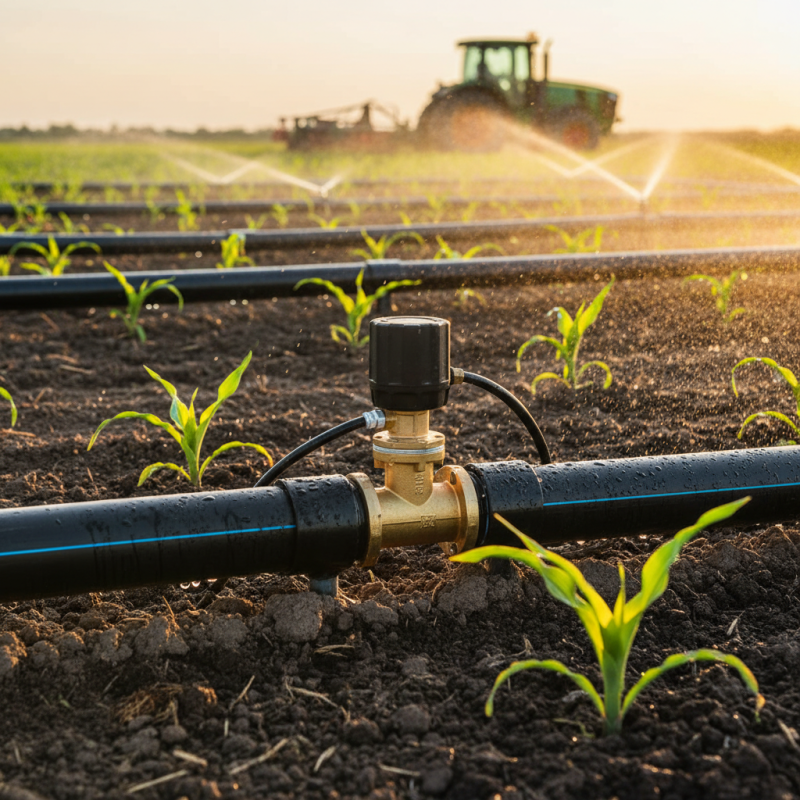
What is a Solenoid Valve and Its Role in Irrigation Systems?
A solenoid valve plays a crucial role in irrigation systems. It is an electromechanical device that regulates water flow. By using an electric current, it opens or closes to control irrigation zones. This method allows for efficient and precise watering.
One benefit of solenoid valves is their ability to automate irrigation. Connected to a timer, they can water gardens without manual intervention. However, improper installation may lead to leaks or malfunction. Regular checks can help avoid these issues.
Tips: Always ensure proper voltage for the solenoid. If it doesn’t open, check for electrical issues. Regular maintenance is key. Clean the filters to prevent blockages. This ensures a smooth water flow. Aim for easy accessibility for repairs. Regular inspection will extend lifetime.
Components of a Solenoid Valve Used in Irrigation Applications
A solenoid valve is crucial in irrigation systems, enabling precise water control. The main components include a solenoid, valve body, and diaphragm. The solenoid is an electromagnetic coil that opens and closes the valve. When energized, it creates a magnetic field, pulling the diaphragm and allowing water flow. When de-energized, the diaphragm closes, stopping the flow.
The valve body is typically made of durable materials like brass or plastic, ensuring longevity and resistance to corrosion. An efficient irrigation system can save up to 50% of water. According to industry reports, solenoid valves can significantly reduce water wastage compared to conventional systems.
However, issues can arise. Over time, solenoids may fail due to debris or electrical problems. Regular maintenance is essential to ensure reliable operation. Consideration of these factors is vital for effective irrigation design.
How Solenoid Valves Operate: Mechanism Explained
A solenoid valve plays a vital role in modern irrigation systems. Understanding its operation is key for optimal functionality. These valves operate using an electromagnetic coil. When electricity flows, a magnetic field is generated. This field pulls a plunger, opening or closing the valve. It ensures water flows accurately to crops at the right time.
Typically, solenoid valves can handle pressures from 10 to 150 psi. They function effectively with various types of fluids. Their ability to automate irrigation is crucial, especially in large agricultural setups. According to industry reports, automated irrigation can reduce water usage by up to 30%. However, improper installation can lead to leaks. Regular maintenance is essential. Neglecting this can double water consumption.
In terms of efficiency, solenoid valves have shown remarkable results. A well-maintained system can deliver water with more than 80% efficiency. Yet, high-quality components matter for long-term performance. Some systems still rely on outdated designs. This can impede progress. Upgrading can unlock further savings and convenience. The choice of materials also affects durability and functionality.
Advantages of Using Solenoid Valves in Irrigation Systems
Solenoid valves are integral to modern irrigation systems. They automate the opening and closing of water flow, ensuring efficient use. Reports indicate that using solenoid valves can reduce water wastage by up to 30%. This is vital in a world where water scarcity is becoming more pressing.
One major advantage of solenoid valves is their ability to be controlled remotely. Gardeners can manage their irrigation systems from anywhere. A 2022 study showed that systems utilizing smart solenoid valves saved an average of 25% more water compared to manual systems. This technology promotes sustainability and enhances convenience.
Despite these benefits, solenoid valves are not without challenges. They can malfunction due to debris accumulation or electrical issues. Routine maintenance is crucial for optimal performance. Overlooking this can lead to inefficiencies, resulting in water loss. Awareness of potential issues can help users make better decisions.
Common Issues and Maintenance Tips for Solenoid Valves in Irrigation
In an irrigation system, solenoid valves control water flow. They should operate smoothly to ensure effective watering. However, issues may arise, causing malfunctions. Common problems include leaks and clogs. Sometimes, the valve may not open or close properly. These situations require immediate attention.
Regular maintenance is crucial for solenoid valves. Inspect connections for wear and leaks. Clean filters to prevent clogs. A simple check can help identify issues before they escalate. Often, dirt accumulates inside the valve, leading to problems. Replacing seals can prolong the valve's life.
Ignoring these small issues can lead to bigger problems. Regular checks can save time and money. Remember, it’s easy to overlook maintenance. A small investment in care can prevent costly repairs later on. Proper upkeep ensures the solenoid valve operates as intended, providing efficient irrigation.
