Digital Best Thermoforming Techniques for Efficient Production?
Thermoforming is a widely used technique in the manufacturing industry. It shapes plastic sheets into desired forms through heat and pressure. David Thompson, a leading thermoforming expert, once stated, “Efficiency in thermoforming lies in the details.” This emphasizes the importance of selecting the right techniques.
The efficiency of production can greatly depend on various factors in thermoforming. Strategies like tool design and material choice play crucial roles. Fast cycle times and reduced waste contribute to overall productivity. However, not all companies adopt these methods. Some overlook essential updates, leading to inefficiencies. This gap can be costly.
Innovation is vital in the thermoforming industry. Embracing new technologies can enhance productivity. Yet, companies must also acknowledge the potential pitfalls. For instance, rapid changes can lead to mistakes if not managed carefully. There's always room for improvement in every thermoforming process. Balancing efficiency with precision remains a challenge for many.
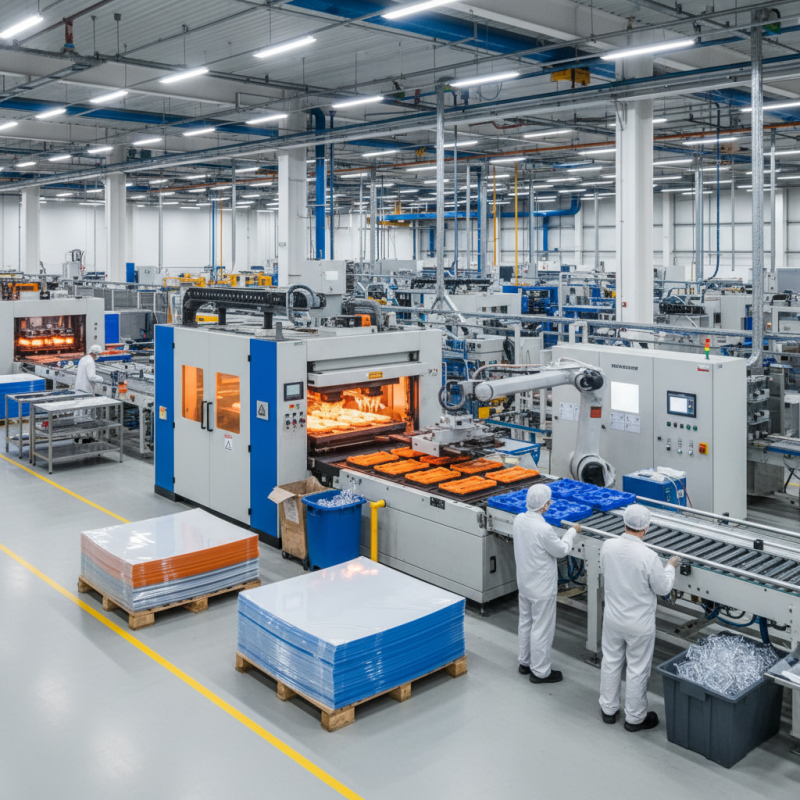
Digital Thermoforming Overview: Definition and Key Processes
Digital thermoforming is transforming the production landscape. This technique involves heating a plastic sheet until pliable and then shaping it over a mold. Cool air or cooling liquids solidify the formed part. The precision of digital processes enhances consistency and quality in production.
Tips: Always choose the right material. Each plastic type has specific properties. Matching these to your project's needs is critical. Uneven heating often leads to defects. Experimenting with different heating methods can improve your outcomes.
Understanding key processes is crucial. Thermoforming includes stages like material preparation, heating, forming, and cooling. Each stage impacts the final product's quality. Sometimes, a mold may not fit perfectly. Consider creating an adjustable mold to refine your approach. Focus on small adjustments to improve your production efficiency over time.
Advancements in Digital Thermoforming Technology for Production Efficiency
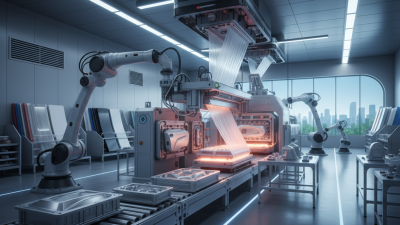
Digital thermoforming has seen significant advancements in technology, greatly improving production efficiency. A recent industry report indicated that automated thermoforming processes can increase output by up to 30%. This remarkable enhancement allows manufacturers to meet rising demand without compromising quality. Smart machinery now collects data in real-time, helping to tweak processes on the fly.
The integration of AI and machine learning further optimizes these techniques. A study found that predictive maintenance can reduce downtime by nearly 25%. This not only impacts production schedules but also contributes to overall cost savings. However, not all manufacturers have adopted these innovations. Lack of expertise in digital tools can hinder progress. Some traditional methods still dominate, highlighting a gap between innovation and execution.
Moreover, many facilities struggle with quality control amidst rapid production gains. As a result, a small percentage of production may not meet stringent quality standards. Focusing on technology alone isn’t sufficient. A holistic approach that includes workforce training and continuous process evaluation is essential for lasting success. Maintaining a balance between speed and quality remains a challenge for many in the industry.
Digital Best Thermoforming Techniques for Efficient Production
| Technique |
Efficiency Gain (%) |
Material Types |
Production Speed (units/hour) |
| Vacuum Forming |
25 |
ABS, PVC, PET |
100 |
| Pressure Forming |
30 |
Polycarbonate, Polystyrene |
80 |
| Twin Sheet Forming |
35 |
PP, HDPE |
60 |
| 3D Printing Integration |
40 |
PLA, ABS |
50 |
| Smart Thermoforming |
20 |
PVC, PET-G |
70 |
Impact of Automation and Software on Thermoforming Production Rates
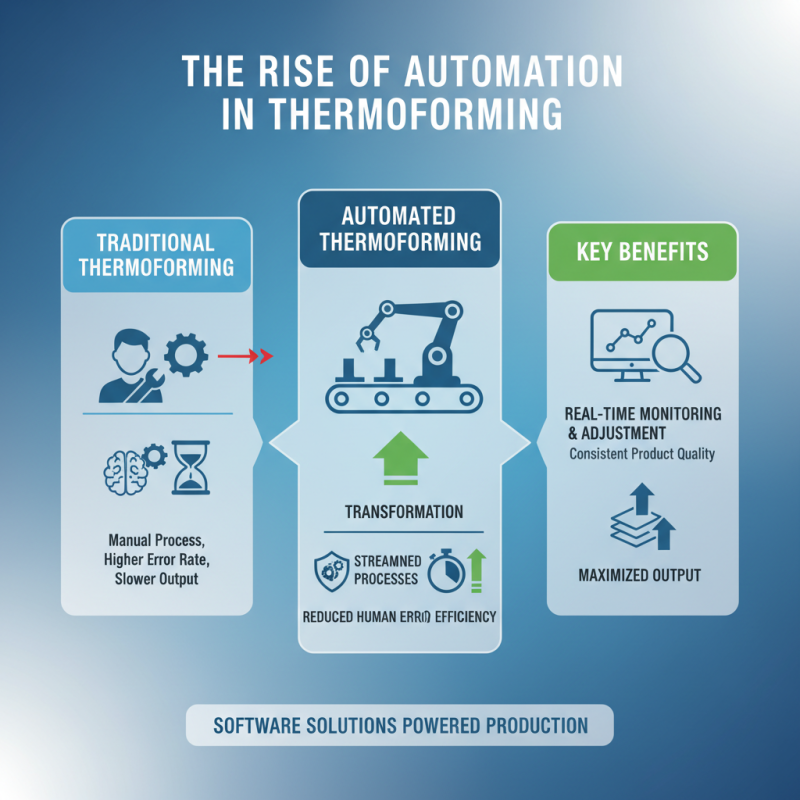
The rise of automation in thermoforming has transformed production rates significantly. Automation tools streamline processes, reducing human error and increasing efficiency. Software solutions monitor and adjust parameters in real-time. This responsiveness helps maintain product quality while maximizing output.
Despite these advancements, challenges remain. Operators need to be trained to use new systems effectively. Some workers may resist these changes, fearing job loss. The integration of automation demands a balance between technology and human input. Carefully managing this transition is crucial for long-term success.
Moreover, software can struggle with complex designs. There are situations where manual adjustments are necessary. Even with sophisticated technology, issues can still arise during production. Embracing both strengths and limitations leads to better thermoforming outcomes. It’s essential to remain open to learning and adapting in this evolving landscape.
Material Selection in Digital Thermoforming: A Data-Driven Approach
Material selection plays a vital role in digital thermoforming. Different materials yield varying results in terms of strength, flexibility, and cost. A study by the Plastics Industry Association reported that improper material choices could increase production costs by up to 30%.
When selecting materials, consider the application. Some materials are more suitable for high-heat environments, while others excel in cold conditions. For example, polycarbonate is ideal for high-impact applications. In contrast, polyethylene offers excellent chemical resistance but may lack structural integrity.
Tip: Always test prototype samples. This allows for evaluating performance before mass production. It can prevent costly mistakes.
Investing in data analytics helps in making informed choices. Using software tools, manufacturers can analyze properties of various materials. This data-driven approach leads to enhanced efficiency. However, not every facility has access to such technologies. This limitation can hinder innovation.
Tip: Collaborate with material suppliers. They often have insights into performance data that can guide decisions. Remember, keeping an open mind about new materials can lead to unexpected benefits.
Case Studies: Success Stories in Digital Thermoforming Implementation
The shift towards digital thermoforming techniques has yielded impressive results across various industries. A recent report from the Association for Packaging and Processing Technologies highlighted a 25% increase in production efficiency for companies implementing digital solutions. Many manufacturers have shared case studies demonstrating this positive trend.
In one case, a company used sensors and data analytics to monitor the thermoforming process in real-time. This led to a 15% reduction in material waste. Operators noted that pinpointing inefficiencies became easier with digital monitoring systems. However, not all efforts have been successful. Some businesses struggled with integration issues due to outdated machinery.
Tips: Consider investing in a robust training program for staff. Proper training ensures that employees can maximize new technology's potential. Regularly review your production metrics to identify trends. Small adjustments can lead to significant improvements over time. Emphasize collaboration between teams to facilitate knowledge sharing. The journey toward digital transformation can be complex, but the benefits are clear.