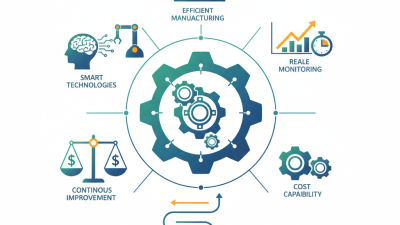
Why Choose CNC Machine Tooling for Your Manufacturing Needs?
In today's competitive manufacturing landscape, selecting the right tools is crucial. CNC machine tooling has emerged as a game-changer for efficiency and precision. This technology allows for automated machining processes that enhance production speed and accuracy. Manufacturers are turning to CNC machine tooling to meet diverse production demands.
CNC machine tooling offers unique benefits. It reduces human error, leading to higher quality products. Furthermore, it allows for intricate designs that traditional methods struggle to achieve. This technology adapts well to various materials, from metals to plastics, making it versatile. However, the initial investment can be daunting for small businesses.
Choosing CNC machine tooling is not just about modernizing the factory floor. It's about future-proofing manufacturing processes. Companies must weigh the pros and cons before making a decision. In the long run, the efficiency gains may outweigh the upfront costs. Reflecting on the implementation of CNC machine tooling can lead to significant operational improvements.
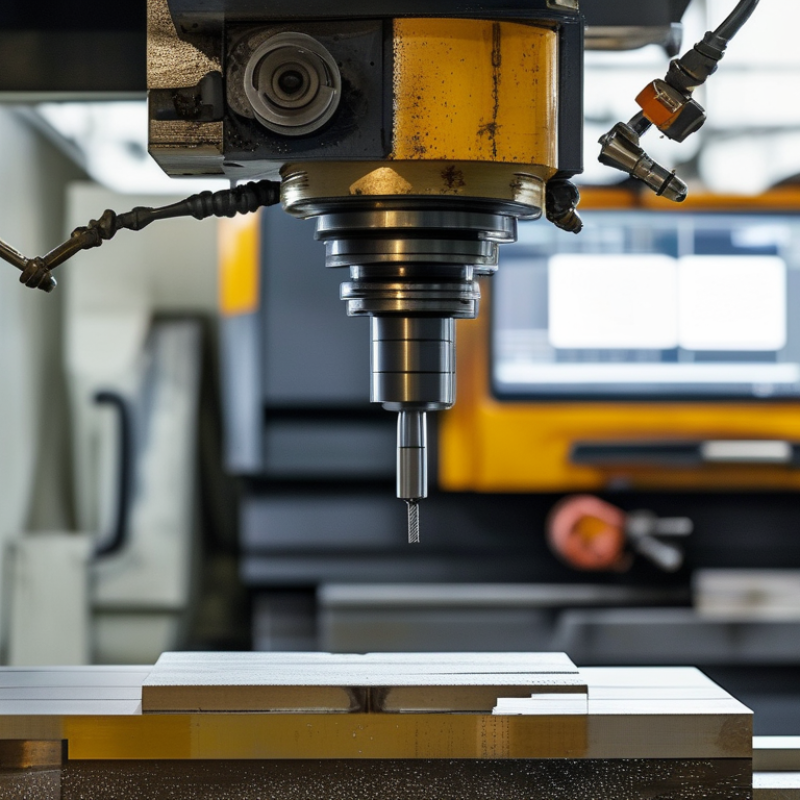
Understanding CNC Machine Tooling and Its Importance in Manufacturing
CNC machine tooling is crucial in modern manufacturing. These tools enhance precision and efficiency. According to a report by the International Federation of Robotics, the adoption of CNC machines increased productivity by 30% across various industries in the last decade. This growth showcases the need for businesses to embrace advanced tooling technology for competitive advantage.
Proper use of CNC tooling can lead to significant cost reductions. Efficient machining reduces material waste and lowers labor costs. A study from McKinsey & Company found that utilizing CNC machinery can save manufacturers up to 25% in operational costs. Companies benefit from consistent product quality, which is essential in today's market.
Employing CNC tooling requires attention. Operators must have training to use these machines effectively. Consider investing in staff development. Regular maintenance checks are also vital. This helps avoid costly downtimes and ensures that machines operate at peak efficiency. Incorporating feedback from machine performance can greatly improve operational practices.
Why Choose CNC Machine Tooling for Your Manufacturing Needs?
| Dimension |
Description |
Importance |
| Precision |
CNC machines can create parts with high precision, typically within a tolerance of +/- 0.001 inches. |
Ensures consistency and quality in manufacturing, reducing waste and rework. |
| Automation |
CNC machines operate with automated processes that can run continuously. |
Increases production efficiency and reduces labor costs. |
| Versatility |
CNC machines can work with a variety of materials including metal, wood, and plastic. |
Allows for a broader range of products and applications, accommodating different manufacturing needs. |
| Cost-Effectiveness |
While initial setup may be costly, CNC machining reduces material waste and labor costs. |
Long-term savings and improved profitability for manufacturing operations. |
| Scalability |
Easily adjust production to scale up or down based on demand. |
Provides flexibility in responding to market changes and customer needs. |
Key Advantages of Using CNC Machine Tooling in Production Processes
CNC machine tooling offers numerous advantages critical to modern manufacturing processes. According to a report by Market Research Future, the CNC market is expected to reach $100 billion by 2025, illustrating its growing importance. One key benefit is precision. CNC machines can achieve tolerances of 0.001 inches, ensuring consistent quality in production. This level of accuracy reduces waste and improves efficiency in operations.
Speed is another critical factor. CNC machines operate continuously, significantly shortening production timelines. A study from the National Institute of Standards and Technology found that CNC tools can increase output by 50% compared to traditional methods. However, this rapid production does come with challenges. Companies may need to invest in skilled operators to maximize the technology's potential. Training staff is an ongoing need.
Moreover, flexibility in production is a significant advantage. CNC systems can be programmed for various tasks. This adaptability makes it easier to switch between processes without significant downtime. However, the initial setup for CNC may require extensive planning and investment. Businesses must contemplate their production needs before diving into CNC machining. Balancing the benefits against setup costs is crucial for long-term success.
Comparison of CNC Machine Tooling with Traditional Manufacturing Methods
CNC machine tooling offers significant advantages over traditional manufacturing methods. The precision provided by CNC machines is unparalleled. Parts can be produced with tight tolerances and complex geometries. This is difficult to achieve using manual machining methods. The automation in CNC processes reduces human error. However, this shift requires skilled operators who can program and troubleshoot machines.
In comparison to traditional methods, CNC machining is often faster. Production rates increase as multiple components can be machined simultaneously. Yet, initial setup costs for CNC machines can be high. Tooling and programming require investment. While traditional methods offer flexibility, they often lack the repeatability that CNC provides.
Adopting CNC machining may not be suitable for every project. Some small batches may be more economical with manual tools. The decision depends on specific needs, such as production volume and complexity. Finding the right balance is essential for manufacturers. Each method has its own strengths and weaknesses, making it important to consider all options before transitioning.
Applications of CNC Machine Tooling Across Various Industries
CNC machine tooling has become essential in various industries due to its precision and efficiency. In the automotive sector, components like engine blocks and gear housings are produced with incredible accuracy. By utilizing CNC technology, manufacturers can create complex parts that were difficult to achieve using traditional methods. This results in minimal waste and higher productivity. However, companies sometimes overlook the setup and programming time needed, which can lead to initial delays.
In aerospace, CNC tooling plays a critical role in fabricating components such as turbine blades and fuselage parts. The high tolerances required in this field demand tools that can handle intricate designs with exact specifications. Despite its advantages, reliance on CNC machines may introduce challenges, like the need for skilled operators who understand both the technology and the industry. Improper programming can lead to costly errors, reflecting the importance of continuous training and assessment.
Moreover, the medical industry utilizes CNC machines for manufacturing surgical instruments and prosthetics. These applications require not just precision but also stringent adherence to safety standards. While CNC technology enhances production efficiency, manufacturers must regularly review their processes. The integration of new tools or software can disrupt workflows if not managed properly. As industries continue to evolve, being adaptable and attentive to these challenges is crucial for long-term success.
Factors to Consider When Choosing CNC Machine Tooling Solutions
When selecting CNC machine tooling solutions, various factors come into play. The precision of the tooling is paramount. Manufacturers require tools that produce high tolerance levels. Tools must also withstand wear and tear during extended use. Choosing the right material for tools is crucial for achieving durability and reliability.
Another critical aspect is compatibility with existing machinery. Not all tooling is universal, so understanding your machine's specifications is essential. Assessing the potential for customization can enhance productivity. Some businesses might need tools tailored for specific processes, which can lead to inefficiencies if not addressed.
Cost-effectiveness is often a concern. While high-quality tooling may seem expensive upfront, the long-term benefits often outweigh the initial investment. Companies should calculate the potential return on investment. They need to reflect on whether cheaper options might lead to higher operational costs down the road. Making informed choices requires a balance between budget and quality.