
How to Choose the Right Pallet Rack for Your Warehouse?

Choosing the right Pallet Rack system begins with the work your warehouse performs every day. A rack that looks efficient on a floor plan may slow down picking, block a turning aisle, or leave valuable space unused. Start with the real details: pallet dimensions, load weights, handling equipment, inventory turnover, and clear ceiling height. Measure twice. A few inches can change beam placement or forklift access.

Warehouse storage consultant Daniel Reed captures the guiding idea: “The right rack is the one your people can load safely and retrieve efficiently, day after day.” This is an original editorial principle, not a verified quotation from a named industry expert. Rack selection should also account for future changes, such as new pallet sizes or faster order volumes. A system built only for today can become a costly constraint. That happens.

The following outline explains how to compare selective, drive-in, and other common rack configurations; assess capacity and aisle requirements; and review safety and installation considerations. It also highlights questions to ask suppliers before committing. No layout works perfectly for every operation, and a preliminary plan may need revision after a site walk. Bring actual load data and workflow observations to the discussion. Good decisions start with measurements, not guesses.
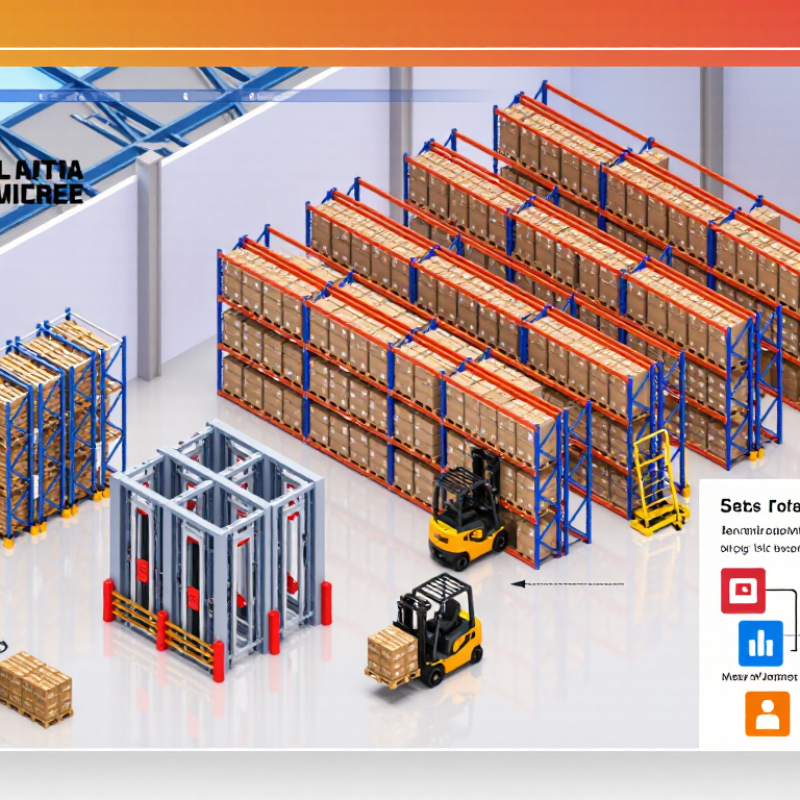
How to Choose the Right Pallet Rack for Your Warehouse?

Assess Your Warehouse Storage Needs and Inventory Profile

Before comparing pallet rack layouts, map what actually arrives, sits, and leaves. Record each SKU’s pallet footprint, loaded height, weight, and weekly movement. Include odd loads. They matter. Check whether pallets are consistently square, or whether damaged boards and overhangs change safe storage. Walk the aisles during a busy shift; a neat inventory report may miss staging pallets near receiving.

Separate fast movers from reserve stock, then note seasonal peaks and replenishment patterns. Selective rack can suit varied SKUs and direct access, while denser systems may reduce aisle space but limit access choices. These are trade-offs, not rules. Ask how often workers need a specific pallet, and whether stock rotation requires first-in, first-out access. A few slow-moving items can still disrupt a layout if they arrive in bulky or nonstandard loads.

Measure clear height, columns, doors, sprinkler clearance, and the turning envelope of the actual lift trucks. Verify slab condition and rack load ratings with qualified professionals; estimated weights are easy to get wrong. Leave room for staging and safe travel, not just stored pallets. One limitation: inventory data often reflects an average week, not the busiest one. Review the plan against peak volume, then revisit it after a trial zone reveals real picking delays.

Measure Available Space, Load Requirements, and Handling Equipment

Choosing the right pallet rack starts with accurate measurements, not a catalog picture. Record usable floor area and clear ceiling height. Mark columns, doorways, lights, sprinklers, and floor slopes. Measure the largest pallet, including any overhang, and record its fully loaded weight. Note how many pallets you need to store and which goods require direct access. A few inches matter. A layout that looks roomy on paper may leave too little space for forklift turns.

Tips: Measure twice, including aisle widths and pallet dimensions. Keep a written list of load weights. Never guess beam capacity.

Match the rack layout to your handling equipment. Check the truck’s turning radius, mast height, and required operating aisle. A reach truck and a counterbalance forklift may need very different clearances. Confirm that each beam level and frame suits the planned loads, and have capacities verified by a qualified rack professional. One easy-to-miss detail is uneven pallet loading; a centered weight on paper may shift during handling. Recheck the plan with actual pallets and equipment before installation.

Compare Pallet Rack Types for Your Storage and Access Needs

Selective pallet rack gives direct access to every pallet. That matters when orders contain many product lines or workers pick mixed cases. A forklift can reach a load without moving another one. The trade-off is wider aisles and lower storage density. Measure turning space with a loaded truck, not an empty one.

Double-deep rack stores pallets two positions deep, improving density but limiting immediate access to rear loads. Drive-in rack suits larger quantities of similar products, though forklifts enter the rack structure and loading follows a stricter sequence. Push-back and pallet-flow systems support last-in, first-out and first-in, first-out rotation, respectively. Flow lanes can help with dated stock, but require consistent pallet sizes and maintenance. Small details matter.

MHI’s 2024 Annual Industry Report found that 55% of surveyed supply chain professionals planned to increase technology and innovation investment. That figure does not prove automation is right for every warehouse; it does highlight the value of planning for change. Match rack type to SKU count, pallet dimensions, turnover, and required access. Then test the layout against real pick patterns and peak inventory. I would not choose by density alone. A denser system can become a bottleneck if operators regularly need rear pallets or unusual load sizes.

Check Safety Standards, Building Conditions, and Rack Capacity

Choosing pallet rack starts with safety, not aisle layout. Check applicable safety requirements and have a qualified rack professional review the design. Keep load-capacity signs visible at working aisles. They should match the installed beam levels and frame configuration. Inspect uprights, braces, and anchors for dents, looseness, or missing parts. A small bend deserves attention.

The building affects which rack will work. Confirm floor condition and slab capacity before loading; a cracked surface or uneven joint can change how loads bear. Check ceiling height, sprinkler clearance, doorways, columns, and forklift turning space. In areas with seismic risk, ask an engineer to review anchoring and restraint needs. Rack capacity depends on beam span, frame height, load placement, and the rack’s condition—not just the weight printed on a pallet. Recheck the layout if storage plans change. I have seen small changes overlooked.

Tips: Record pallet weights and dimensions, then compare them with the rack supplier’s capacity data. Photograph existing damage during inspections. Keep damaged sections unloaded until reviewed, and avoid guessing when a rating or building detail is unclear.

Plan the Layout, Installation, and Future Expansion of Your Rack System

Choosing a pallet rack starts with the space and the work, not a catalogue. Measure clear ceiling height, column spacing, doors, lighting, sprinklers, and floor condition. Record pallet dimensions and loaded weights, including uneven or overhanging loads. Check the turning radius of forklifts and the width needed for safe aisle access. Small details matter.

A scaled layout can reveal blocked exits, tight corners, and wasted vertical space before installation begins. Leave room for loading, picking, and maintenance, rather than filling every available gap. A drawing helps. Confirm that the slab, anchors, frames, and beams suit the planned loads. Have a qualified rack professional review the design and installation, and follow applicable building and safety requirements. Installers should check alignment, connections, and anchoring; a rack that looks straight is not necessarily secure.

Plan for change, too. Estimate likely growth in pallet volume and product size, then consider whether future bays can fit without disrupting daily traffic. Keep expansion space and access routes clear. It may be tempting to buy extra capacity now, but unused rack can consume valuable floor space.

Forecasts are imperfect; review them against actual inventory after a few months. Record approved load limits and train staff to report impact damage promptly.

Go to Top