How to Choose the Best Large Drip Pan for Your Cooking Needs
When it comes to cooking, one essential yet often overlooked tool is the large drip pan. These practical kitchen accessories serve various purposes, from catching excess grease during roasting to providing a stable surface for cooking larger cuts of meat. Choosing the best large drip pan for your cooking needs can significantly enhance your culinary experience, preventing messes and ensuring even cooking results. With a multitude of options available, understanding key features such as material, size, and design becomes crucial in making an informed decision.
In this guide, we will explore the key factors to consider when selecting a large drip pan. Whether you're an avid baker, a grill master, or a beginner experimenting with new recipes, knowing how to choose the right pan can save you time and effort in the kitchen. From easy cleanup to improved cooking efficiency, the right large drip pan can transform your cooking process and elevate your dishes. Join us as we delve into the essential aspects of large drip pans, ensuring you select one that fits your cooking style and needs perfectly.
Understanding the Purpose and Benefits of a Large Drip Pan
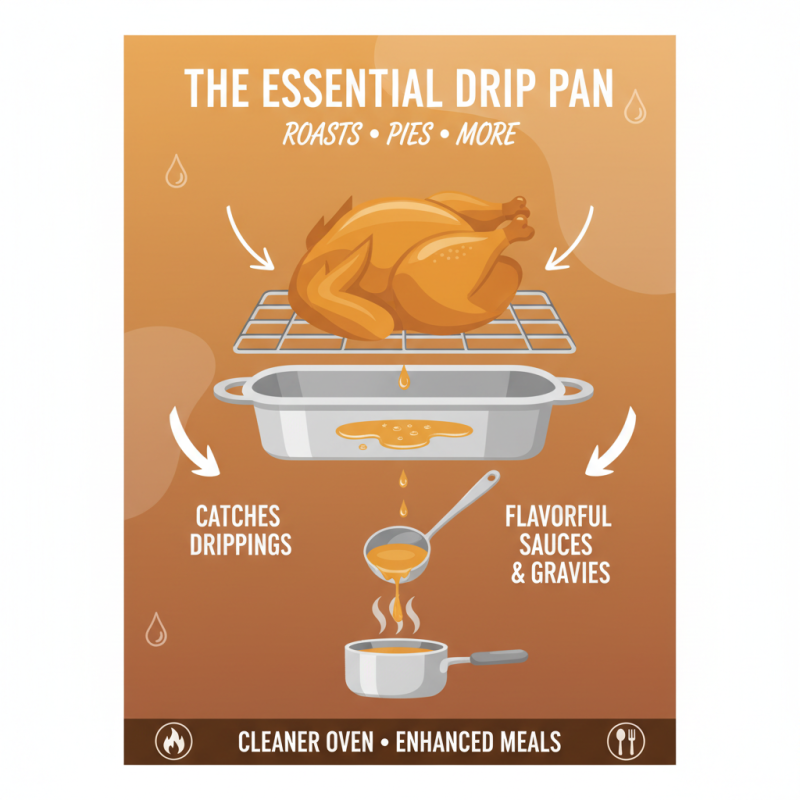
A large drip pan serves a crucial role in the cooking process, particularly for roasts, pies, and other dishes that tend to release juices or fats. Its primary purpose is to catch drippings, preventing them from spilling into the bottom of the oven, which could lead to smoke and unpleasant odors. By containing these liquids, a drip pan not only helps maintain a clean cooking environment but also allows you to utilize the drippings for making flavorful sauces and gravies, enhancing the overall meal.
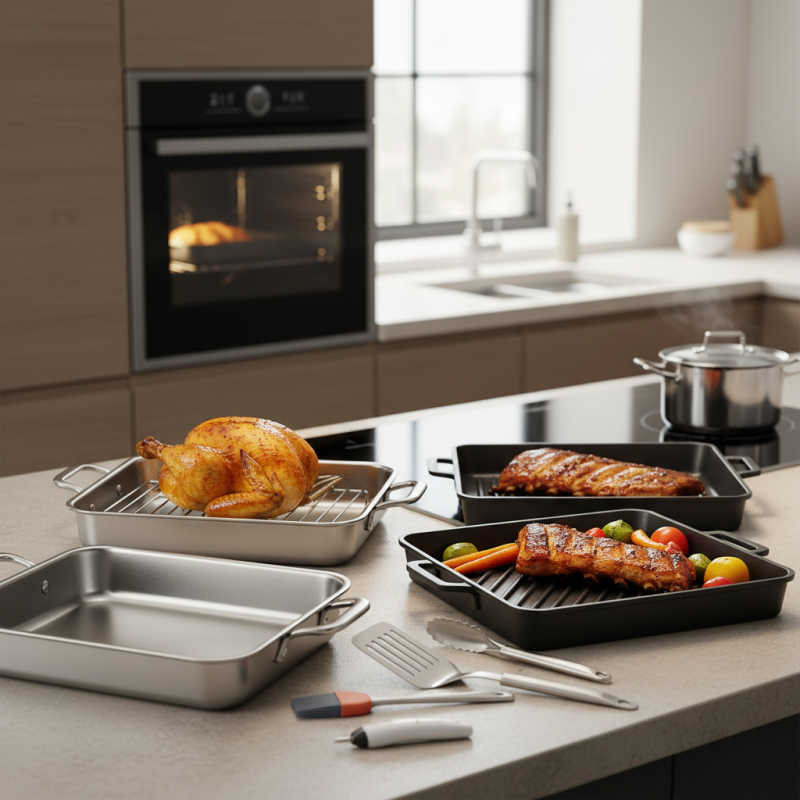
Additionally, the benefits of using a large drip pan extend beyond cleanliness. The pan promotes even heat distribution while cooking, which can result in better cooking outcomes. It can also act as a barrier, reducing the risk of foods drying out and helping to retain moisture. Moreover, many drip pans are designed to be versatile, making them suitable for a variety of cooking methods such as roasting, baking, and grilling. This adaptability makes a large drip pan an essential tool in any kitchen, ensuring that both cooking and cleaning processes are streamlined and efficient.
Identifying Your Cooking Style and Needs for Drip Pans
When it comes to selecting the best large drip pan for your cooking needs, the first step is to identify your cooking style. If you often use the oven for roasting meats or baking casseroles, a deep, sturdy drip pan is essential to catch any spills or drippings. On the other hand, if you primarily grill or use your stovetop, a flat and spacious pan can help manage splatters and collect any juices that escape during cooking. Understanding how you cook will guide you in choosing the right design and depth for your drip pan.
Additionally, consider the type of foods you frequently prepare. If your culinary repertoire includes high-fat dishes that tend to produce a lot of grease, a pan with a non-stick surface can facilitate easy cleanup. Conversely, if you enjoy cooking vegetables and lean proteins, a stainless steel option might be more suitable for even heat distribution and durability. Furthermore, assess the size of your cooking appliances; a large drip pan should not only fit well within your oven or on your stovetop but also allow enough space for airflow to ensure even cooking. By taking these factors into account, you can select a drip pan that enhances your cooking experience.
Material Options for Large Drip Pans: Pros and Cons
When selecting a large drip pan, the material you choose can significantly impact your cooking experience.
The material options include stainless steel, aluminum, and non-stick coatings, each with distinct advantages and disadvantages.
Stainless steel is durable, resistant to rust, and can withstand high temperatures, making it ideal for long-term use. However, it may not always be non-stick, which means you could face some difficulties with food sticking if not properly greased.
Aluminum is lightweight and excellent for heat conduction, promoting even cooking. It is often less expensive than stainless steel, but lacks the durability. Over time, aluminum can warp or dent, and it may react with acidic foods, affecting the taste.
Non-stick options offer the convenience of easy food release and quick cleanup. However, these coatings can wear off over time and may not be as heat-resistant as metal pans, limiting their versatility.
Tips:
When considering which material to choose, think about your cooking habits. If you often cook high-fat or sticky dishes, a non-stick pan may be your best bet. Always check the temperature limits of your chosen material to avoid warping or damage. For heavy-duty tasks and longevity, stainless steel is a solid choice, while for budget-friendly and lightweight options, aluminum pans can serve you well in everyday cooking.
Size and Capacity Considerations for Your Drip Pan Choice
When selecting a large drip pan for your cooking needs, understanding size and capacity is crucial. Drip pans come in various dimensions, and it’s essential to choose one that fits your cooking appliance while also accommodating the volume of food you typically prepare. A pan that is too small may overflow, leading to messy spills and wasted cooking juices, while overly large pans can be cumbersome and may not fit well in your oven or on your stovetop.
To prevent such issues, measure the space you have available, including the area under your cooking appliance, to ensure a snug yet functional fit.
Moreover, consider the capacity of the drip pan based on the types of meals you prepare. If you often roast large cuts of meat or bake multiple dishes at once, a pan with a higher capacity will serve you better. Look for pans that offer ample depth to capture drippings and liquids without losing them to splatter. Conversely, if you mainly cook smaller portions, a more compact pan could suffice. Ultimately, choosing the right size and capacity not only enhances your cooking experience but also simplifies cleanup, as it allows for efficient collection of drippings and other residues.
Maintenance Tips for Longevity of Your Large Drip Pan
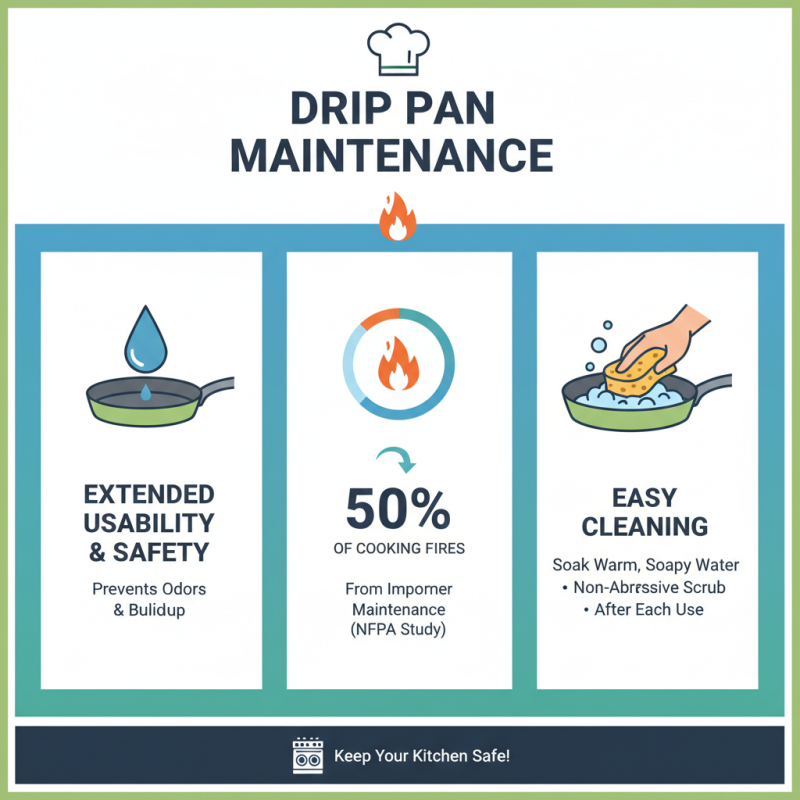
Maintaining a large drip pan is crucial not only for extended usability but also for ensuring a safe and efficient cooking environment. Regular cleaning is highly recommended, as residue buildup can affect the pan's performance and lead to unpleasant odors. According to a study by the National Fire Protection Association (NFPA), nearly 50% of cooking fires start due to improper maintenance of kitchen equipment, emphasizing the importance of routinely checking and cleaning your drip pans. A simple solution is to soak the pan in warm, soapy water after each use and use non-abrasive scrubbing pads to avoid surface scratches that may harbor bacteria.
Furthermore, inspecting for warping or damage is essential for the longevity of your large drip pan. Materials like stainless steel, when maintained properly, can last significantly longer, with a lifespan of up to 20 years compared to other materials that may only last 5-10 years. Industry reports indicate that a well-cared-for drip pan can enhance heat distribution, improving overall cooking efficiency. It’s vital to store the drip pan in a dry environment, away from excessive heat and moisture, to prevent rusting or deterioration. By adopting these maintenance tips, you can ensure your large drip pan remains a reliable tool in your cooking arsenal for years to come.