How to Choose the Right Spill Tray for Your Needs?
Choosing the right spill tray is crucial for both safety and efficiency. A spill tray is designed to catch liquid spills, protecting the environment and preventing potential hazards. When selecting a spill tray, consider factors like size, material, and specific application.
Different industries have unique requirements. For instance, a laboratory may need a chemical-resistant spill tray, while a garage might require a heavy-duty option. The wrong choice can lead to accidents. It's important to visualize the space and liquids involved. Measure your equipment and assess the spill risks.
Selecting a spill tray isn’t just about safety. It’s also about your specific needs. A mismatch can lead to waste or ineffective containment. Reflection on your choices can ensure you invest wisely in the right spill tray for your environment.
Understanding Different Types of Spill Trays Available on the Market
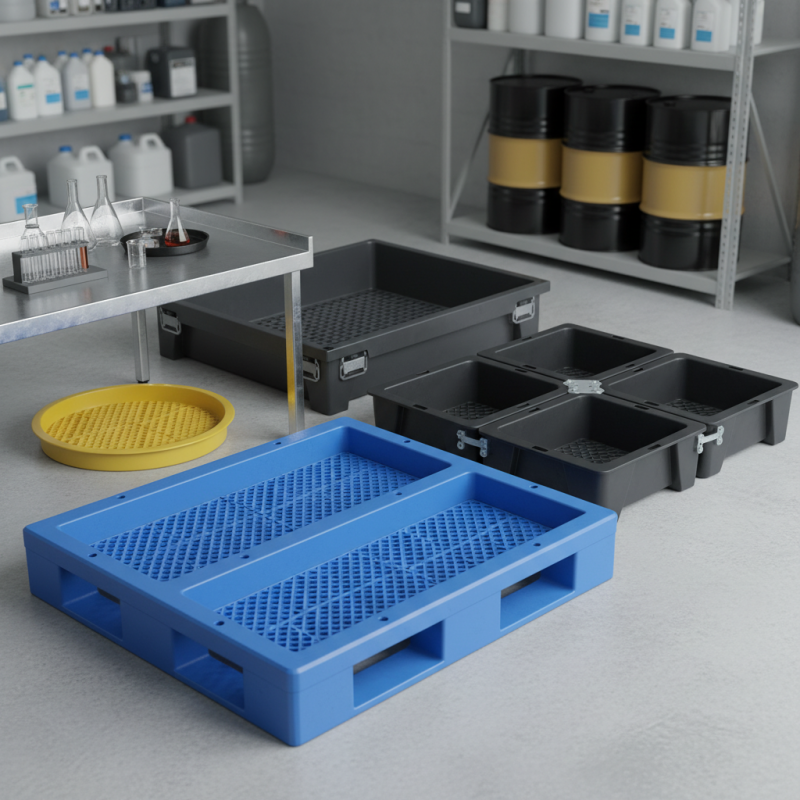
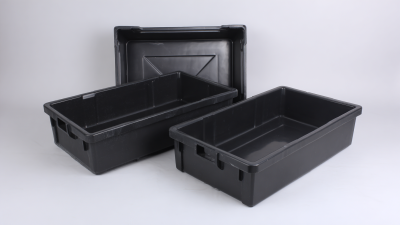
When selecting a spill tray, it's crucial to understand the various types available. One common type is the plastic spill tray. These are lightweight and resistant to many chemicals. They often come with built-in handles for easy transport. However, they may not hold up under heavy loads. This can lead to spills if the tray cracks.
Metal spill trays are another option. They are durable and can withstand higher temperatures. These trays are suitable for larger spills. Still, their weight can be a downside. They can be challenging to move, especially when full. Consider where you will be using the tray.
There are also specialized spill trays for specific needs. For example, there are acid-resistant models for hazardous materials. They offer enhanced protection against corrosion. While these may cost more, they can save you from costly accidents. It’s essential to weigh the pros and cons of each type. This reflection helps ensure you choose the right one for your situation.
Types of Spill Trays and Their Capacities
Assessing Your Specific Needs for Spill Protection and Containment
When selecting the right spill tray, assessing your specific needs is crucial. Different industries face varied risks of spills. For instance, the chemical industry reports a spill incident rate of around 15% annually. Thus, spill trays must be tailored for chemical containment to ensure safety.
Tip: Consider the type of substances you handle. A simple plastic tray may suffice for oil, but hazardous materials require more robust options. Look for features such as high resistance to chemicals and UV exposure. This can prevent degradation of the tray over time, which is a common oversight.
Another critical factor is the size of your workspace. Many professionals underestimate the space required for adequate spill containment. A study showed that 30% of spill-related incidents were due to inadequate containment measures. Ensure your chosen trays fit well within your operational area while also providing ample coverage.
Tip: Regularly assess the condition of your spill trays. Worn-out trays can lead to serious risks. It’s also wise to involve your team in maintenance checks. Engaging your staff can raise awareness and identify potential hazards more effectively.
Material Considerations: Choosing Durable and Chemical-Resistant Options
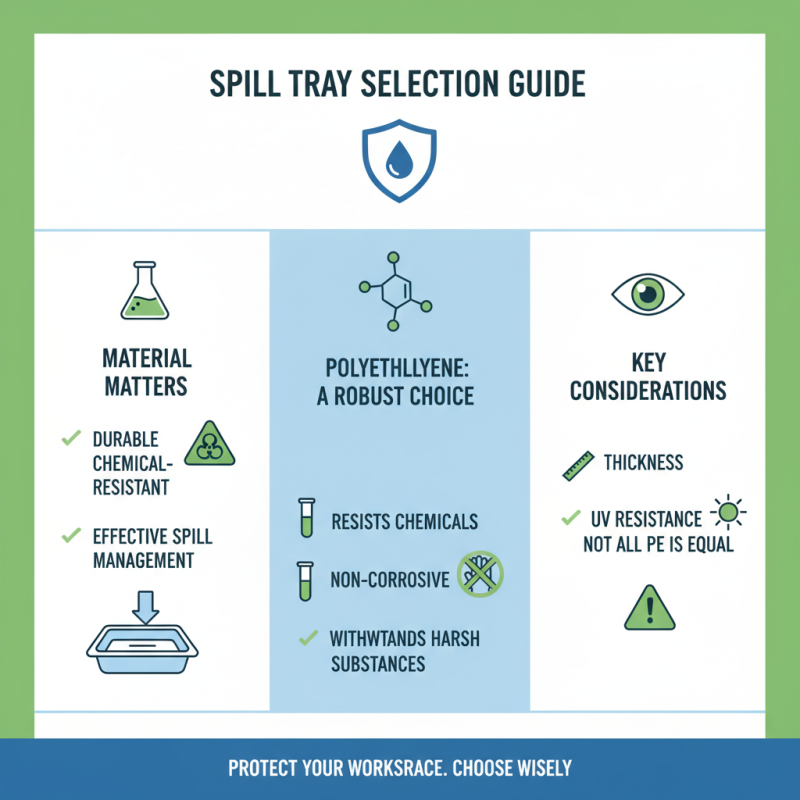
When selecting a spill tray, material is key. Durable, chemical-resistant options are vital for effective spill management. Consider polyethylene, a robust choice that withstands various chemicals. It won't corrode easily and holds up against harsh substances. But remember, not all polyethylene is created equal. Thickness and UV resistance matter too.
Metal trays offer strength but can rust if not properly coated. Paint and other finishes may wear over time. Evaluate environments where spills are likely. For outdoor use, corrosion resistance is essential. Also, assess your specific requirements. Are you dealing with oils, solvents, or acidic materials? Ensure your selected tray can handle them.
Keep in mind that choices should reflect both durability and practical use. It's easy to overlook long-term performance. Visualizing the tray's lifespan can provide insights into its worth. Choose wisely, as this decision impacts safety and efficiency in your workspace. Reflect on how often spills occur and the types of materials used. A well-chosen spill tray can save you from potential hazards.
Determining the Appropriate Size and Capacity for Your Spill Tray
When choosing a spill tray, size and capacity matter greatly. You need to assess the volume of materials you typically use. A small tray may work for minimal spills, but larger operations require bigger trays. Failure to match the capacity can lead to spills that overflow. That’s a messy scenario!
Consider the dimensions of your workspace, too. A tray that fits snugly in a corner may be perfect. However, if it’s too small, it won’t capture spills effectively. Some trays have specific shapes that suit certain types of containers. Ensure that it can accommodate your equipment comfortably, without risk of accidental spills.
Tips: Always check the manufacturer's specifications for maximum fill levels. This helps avoid overfilling, which can compromise safety. Measure your containers before buying a tray. This ensures compatibility. You don’t want to realize a tray is too small after a spill occurs. Reflect on past experiences with spills. What worked? What didn’t? That knowledge helps you choose wisely.
How to Choose the Right Spill Tray for Your Needs? - Determining the Appropriate Size and Capacity for Your Spill Tray
| Spill Tray Type |
Dimensions (inches) |
Capacity (gallons) |
Material |
Ideal Use |
| Standard Rectangular Tray |
48 x 24 |
30 |
Polyethylene |
Storage of drums |
| Stackable Spill Tray |
36 x 36 |
40 |
Steel |
Multiple drum storage |
| Low Profile Tray |
48 x 48 |
50 |
Polyethylene |
Batteries and small containers |
| Corner Spill Tray |
24 x 24 |
15 |
Polypropylene |
Space-saving in tight areas |
| Portable Spill Tray |
30 x 20 |
10 |
Aluminum |
Temporary spill containment |
Exploring Additional Features and Accessories for Enhanced Functionality
When selecting a spill tray, consider the additional features that can enhance its functionality. Some trays come with built-in handles. These features facilitate easy carrying and repositioning. Other models may include a raised edge to contain spills securely. This provides an added layer of security, especially in messy environments.
Accessories can also make a significant difference. For instance, leveling feet can stabilize a spill tray on uneven surfaces. This adjustment can prevent tipping and spills from escaping. Another accessory could be interchangeable inserts that adapt the tray for different containers. However, not every accessory fits all trays, so it’s crucial to check compatibility.
Sometimes, users overlook the importance of these enhancements. They might choose a basic model without realizing the potential benefits of added features. Evaluating specific needs before making a decision is important. The right tray can mitigate risks and improve safety in different settings.