How to Choose the Right Spill Tray for Chemicals?
Choosing the right spill tray for chemicals is crucial for safety and compliance. With a variety of options available, it can be overwhelming. Understanding the specific needs of your workspace is essential.
Consider the types of chemicals you handle. Are they corrosive, flammable, or non-hazardous? The material of the tray must match the characteristics of the chemicals. For instance, plastic trays may not withstand harsh solvents.
Size and capacity also matter. A small tray may overflow, causing spills and accidents. On the other hand, an oversized tray can waste space and resources. Take the time to evaluate your workspace. Reflect on your current practices. Are they effective? Choose wisely to protect both your staff and the environment.
Factors to Consider When Selecting a Spill Tray for Chemicals
Choosing the right spill tray for chemicals involves careful consideration of various factors. The type of chemicals used is crucial. For corrosive substances, a tray made from resistant materials is essential. Also, consider the volume of chemicals that might spill. A tray should be large enough to contain any potential leaks, preventing costly environmental damage.
Tip: Always assess the viscosity of your chemicals. Thicker liquids might require a deeper tray. According to industry reports, improper spill containment can lead to fines over $50,000, highlighting the need for adequate protection.
Furthermore, understand the regulations in your area. Different regions may have specific requirements for spill containment. Ignoring these can result in legal challenges. The material of the spill tray also matters; polypropylene is often recommended due to its durability and resistance to many chemicals.
Tip: Evaluate the location where the tray will be used. Trays placed outdoors need UV protection. Data show that up to 30% of spill incidents occur because of uninformed decisions about spill trays. Always reflect on your choices, as proper spill management is an ongoing responsibility.
Understanding Different Types of Spill Trays Available on the Market
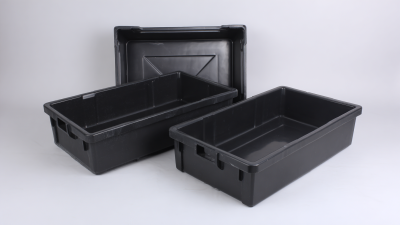
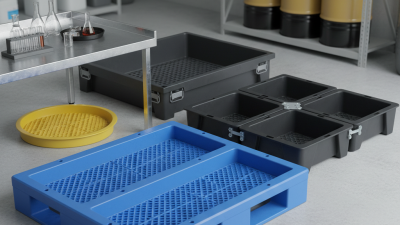
When selecting a spill tray for chemicals, it's crucial to understand the options available. There are several types of spill trays on the market. Each design serves a specific purpose. Some are made from plastic, while others use metal. Plastic trays are lightweight and resistant to most chemicals. Metal trays, however, offer durability. They can withstand heavy loads and harsh environments.
There are also varying capacities. Some trays hold a few liters, while others can collect hundreds. Larger trays are ideal for bigger operations, but they can take up more space. Smaller trays are easier to store but may require frequent emptying. You must consider your needs. Think about the types of chemicals you store and their quantities.
The surface design is another factor. Some trays have raised edges to contain spills better. Others are flat and feature a grating to allow liquids to drain away. Assess the work environment. Will the tray be exposed to sunlight or extreme temperatures? Understanding these nuances is important. It will help you avoid costly mistakes later on.
Assessing the Compatibility of Spill Trays with Various Chemical Types
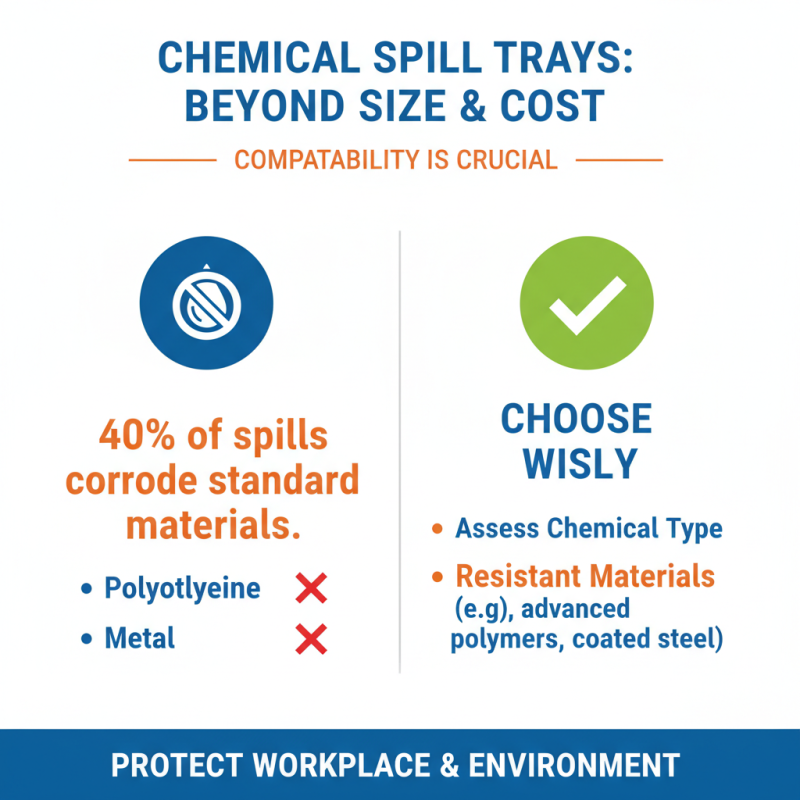
Choosing the right spill tray for chemicals isn't just about size or cost. Compatibility with various chemical types is crucial. A recent industry report showed that nearly 40% of workplace spills involve chemicals that can corrode standard materials. Common materials used for trays include polyethylene and metal. However, some chemicals can degrade these options quickly.
For instance, acids may react violently with certain metals, leading to hazardous leaks. In contrast, alkaline solutions might not be suitable for conventional plastics, causing excess wear over time. Knowing the specific characteristics of your chemicals can avoid these potential disasters.
Many spill trays have chemical resistance ratings. Review these before making a purchase. It’s essential to know if the tray can withstand prolonged exposure to the chemicals you handle. Also, consider the capacity. An undersized tray can lead to spills during heavy use. All these factors are critical. Don’t choose solely based on appearance. Prioritize safety and compatibility to ensure a secure working environment.
Evaluating Size and Capacity Requirements for Your Spill Tray
When selecting a spill tray for chemicals, size and capacity matter greatly. It's essential to consider the volume of liquid you expect to contain. Measure the maximum amount of chemicals you will use. If you underestimate, spills could lead to dangerous situations. A tray that is too small may overflow, negating its purpose.
Anticipate the types of containers you’ll place on the tray. Are they bulky or irregularly shaped? A larger tray will give you flexibility. Think about the space available for the tray. It should fit comfortably in your workspace. This helps prevent accidents and ensures easy access.
Reflect on your needs regularly. Are your chemical storage habits changing? If you add new materials, reevaluate your current tray's suitability. It's a simple step, yet many overlook it. A well-chosen tray can save you from hazards and simplify cleanup. Proper planning now helps avoid headaches later.
Regulatory and Safety Standards for Chemical Spill Trays
Choosing the right spill tray for chemicals is not just about size and shape. It's crucial to comply with safety and regulatory standards. These standards vary by region and type of chemical. Many industries face inspections that require spill trays to meet certain specifications. Understanding these requirements is essential for safety and compliance.
For instance, the material of the spill tray can affect compliance. Some chemicals may require specific materials to prevent reactions. The tray's capacity must also be considered. It should be able to hold the maximum volume of liquid that could spill. Choosing an approach without knowing these factors can result in inadequate protection.
Regular checks should be part of your safety routine. Ensure that the spill tray remains in good condition. Any signs of wear can compromise its effectiveness. Addressing these small details may prevent larger issues. Compliance is not just a checkbox; it ensures the safety of personnel and the environment.
How to Choose the Right Spill Tray for Chemicals? - Regulatory and Safety Standards for Chemical Spill Trays
| Dimension |
Material |
Capacity (Liters) |
Compliance Standards |
| 48" x 24" |
Polyethylene |
100 |
EPA, OSHA |
| 60" x 30" |
Steel |
150 |
IBC, NPDES |
| 36" x 36" |
Fiberglass |
80 |
SPCC |
| 72" x 48" |
Plastic |
200 |
RCRA |