How to Choose the Best Container Forming Machine for Your Business?
In the rapidly evolving packaging industry, choosing the right container forming machine is crucial for success. According to a recent report from Smithers Pira, the global demand for packaging will reach 5.5 trillion dollars by 2026. This growth directly correlates with the need for efficient and versatile container forming solutions. Businesses must navigate various options, balancing cost and performance.
A container forming machine enhances productivity and addresses custom packaging needs. Selecting the best machine can significantly impact production quality and operational efficiency. Industry experts emphasize the importance of evaluating machine specifications to ensure compatibility with production goals. Specific features, such as speed, size, and automation, should be carefully considered.
However, not all machines are created equal. Some may not deliver the expected reliability or efficiency, leading to costly downtimes. It is essential to conduct thorough research and review case studies before purchasing. Companies should also consider the long-term support and service provided by manufacturers. This choice can shape a business’s future in a competitive landscape.
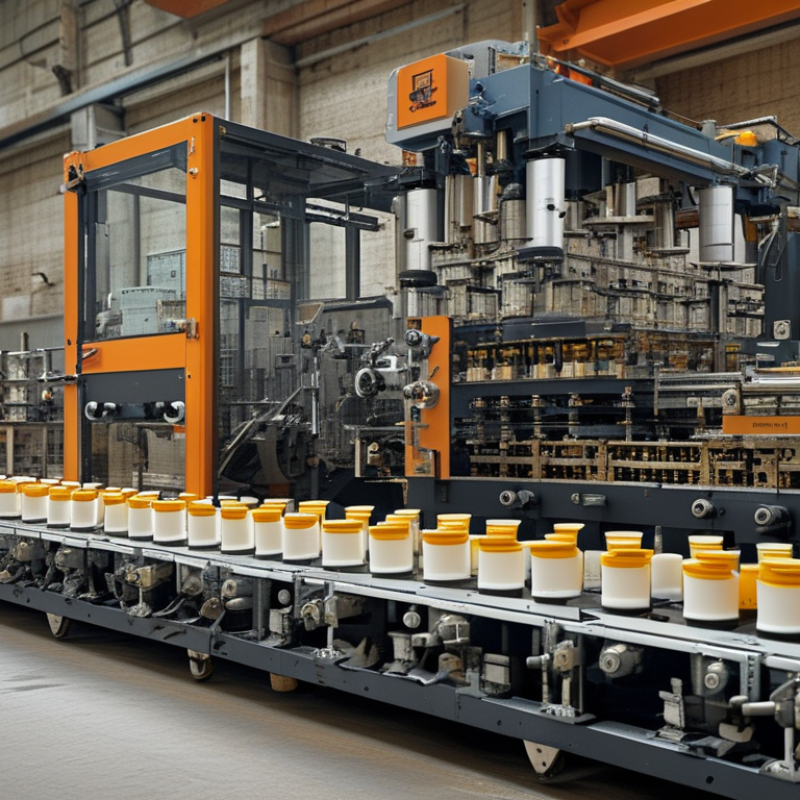
Understanding the Different Types of Container Forming Machines
When selecting a container forming machine, understanding the different types available is crucial. There are primarily three types: manual, semi-automatic, and fully automatic machines. Each type has its own advantages. Manual machines are cost-effective but require more labor. They are suitable for small-scale operations.
Semi-automatic machines bridge the gap between manual and fully automatic systems. According to industry reports, about 35% of businesses prefer semi-automatic machines for their balance of efficiency and cost. Fully automatic machines are the best for high-volume production. They boost production rates significantly, often increasing output by up to 80%. However, this option involves higher initial costs and maintenance.
The choice also depends on the type of containers to be produced. For instance, unique shapes may require specialized machinery. Many manufacturers fail to consider the long-term implications of their choice. A machine that meets short-term needs may not support future growth. Businesses need to reflect on their production goals and market demands before making a decision. An informed choice will enhance productivity and sustainability in the long run.
Key Features to Consider When Selecting a Container Forming Machine
When selecting a container forming machine, a few key features can significantly influence your choice. Start by evaluating the machine’s capacity. A high-capacity machine can handle larger production volumes, which is vital for growing businesses. This boost in productivity can be crucial for meeting market demands.
Next, consider the material compatibility. Different machines work with varying types of materials. Ensuring that the machine can handle the specific materials your business uses is essential. Failure to do this may lead to inefficiencies or increased waste. Additionally, assess the ease of operation. A user-friendly interface minimizes training time for new employees, increasing overall productivity.
Maintenance requirements are often overlooked. Machines that require frequent repairs can disrupt operations. It’s important to choose a model known for reliability. Reflect on the machine’s technical support. Reliable customer service can make a big difference during unexpected breakdowns. Considering these features ensures your choice aligns with your business goals, providing a foundation for growth.
Evaluating Production Capacity and Efficiency for Your Needs
When selecting a container forming machine, production capacity and efficiency are crucial factors. Data from market research indicates that manufacturers are achieving up to 95% efficiency with modern machines. This means that they are able to produce high-quality containers rapidly. Evaluating these metrics can significantly impact your business's output and profitability.
Understanding your specific production needs is essential. A smaller operation may require a machine with a capacity of 500 units per hour, while a larger facility might need over 2000 units. Analyzing past production data can provide insights into your requirements.
Tips: Ensure your machine is adaptable to varying container sizes. This flexibility can save costs over time. It's also wise to assess energy consumption. Machines that use less energy can lead to lower operational costs. Additionally, consider maintenance needs; a machine with lower downtime can enhance overall productivity. Always reflect on your long-term strategy when making this investment.
Assessing the Cost-Effectiveness of Container Forming Machines
When considering container forming machines, cost-effectiveness stands out as a crucial factor. Assess the initial investment against potential output. A higher upfront cost may lead to greater efficiency and lower operational expenses over time. Understand the long-term benefits of energy efficiency and maintenance costs. Choosing a machine with lower operating costs can enhance profit margins.
Tips: Look for machines with energy-saving features. Save on utilities. Consider maintenance requirements. A cheaper machine may incur higher repair costs later.
A detailed analysis of your production needs is vital. Estimate your output capacity and choose a machine that meets those demands without excessive overhead. Evaluate the materials your business uses; some machines are better suited for specific materials. Ensure that you factor in any training costs for staff to operate new equipment effectively.
Tips: Calculate potential downtime. A reliable machine can reduce lost productivity. Think about future scalability. Will the machine support your growth? Each decision should consider lasting impacts on your business.
Researching Manufacturer Reputation and Support Services
When selecting a container forming machine, manufacturer reputation is crucial. A reputable manufacturer typically has a history of producing reliable, high-quality machines. Check for customer reviews and case studies. Positive feedback often reflects strong performance and durability. Look for long-term clients who can attest to the equipment's efficiency.
Support services are equally important. A manufacturer should offer comprehensive support and training. This ensures smooth operation from the start. If there are issues, responsive customer service can save time and reduce downtime. Inadequate support may lead to frustration and increased costs. Assess warranty coverage and maintenance options. Consider manufacturers who provide on-site training and troubleshooting.
Ultimately, invest time in researching your options. Reach out to industry peers for their insights. Some manufacturers may seem perfect but could have hidden flaws. A thorough evaluation can prevent costly mistakes. Remember, the right machine is key to your business success.
