2026 Best Thermoforming Plastic Applications and Techniques?
Thermoforming plastic is a versatile material widely used in many industries. According to expert Sarah Johnson, "Thermoforming plastic opens doors to innovation." Her insights highlight the growing importance of this technology in manufacturing.
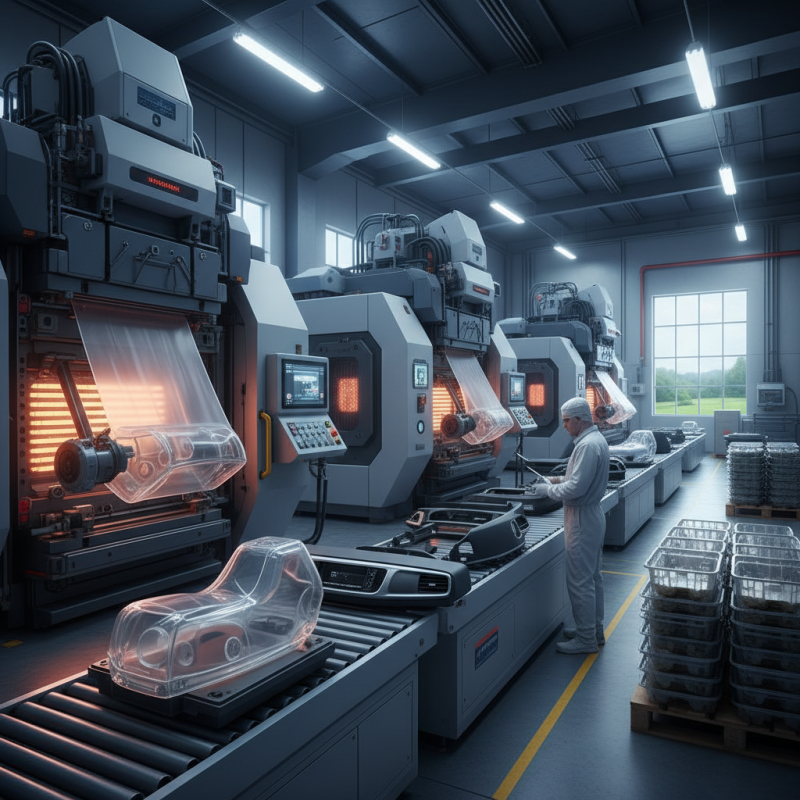
In 2026, the applications of thermoforming plastic continue to evolve. It is commonly used in packaging, automotive parts, and medical devices. These applications showcase the material's adaptability. However, challenges remain in ensuring quality and sustainability. Manufacturers face pressures to innovate while reducing waste.
The techniques used in thermoforming plastic production are critical. Companies must find a balance between production efficiency and final product quality. This requires constant refinement and investment in technology. As the industry progresses, it is essential to reflect on these evolving practices and their long-term impact.
Overview of Thermoforming Plastics and Their Importance in 2026
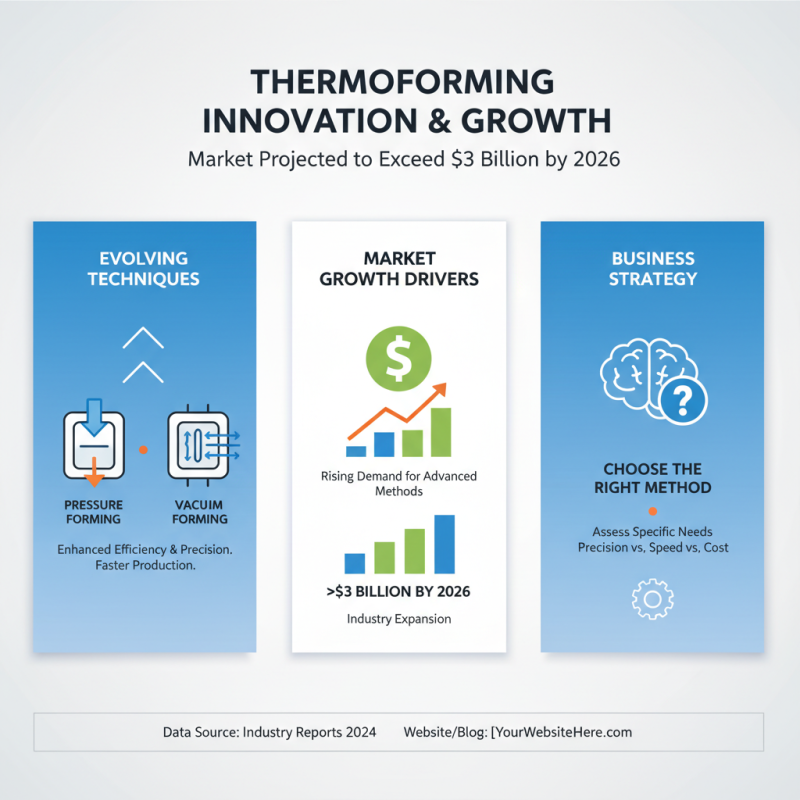
Thermoforming plastics are crucial in various industries. Their ability to be molded and shaped makes them versatile. In 2026, these materials will play a significant role in packaging, automotive, and consumer products. According to a recent industry report, the thermoforming market is projected to reach $12 billion by 2026, growing at a rate of 5.2% annually.
One major advantage of thermoforming is its efficiency in production. The process allows for quick setup times and reduced waste. This is essential in an era where sustainability is a priority. Companies are looking for manufacturing methods that promote recycling and reduce environmental impacts. However, challenges remain. The need for high-quality finishes can sometimes conflict with the speed of production.
Consumer expectations are changing. They demand not just functionality but also aesthetic appeal from thermoformed products. This poses a challenge for manufacturers who must balance speed and quality. Additionally, the rise of custom designs means that production lines may struggle to keep up. These are areas for potential improvement and innovation in the thermoforming industry.
Key Thermoforming Plastic Types and Their Unique Properties
When exploring thermoforming plastics, several types stand out for their unique properties.
Acrylic, known for its clarity, offers excellent optical characteristics.
It’s often used in displays and signage. This material is durable but can scratch easily.
Finding a balance between beauty and practicality is essential.
Polycarbonate is another popular choice, known for its high impact resistance. It’s often found in safety equipment
and machine guards. However, polycarbonate can deform under high temperatures, making it crucial to manage heat carefully during the forming process.
Users sometimes underestimate this aspect, leading to structural weaknesses.
PVC, or polyvinyl chloride, is versatile and cost-effective. It is widely employed in packaging and
construction. Yet, it faces challenges with flexibility and brittleness at lower temperatures.
This material may require additives to enhance its performance. Users must evaluate their application needs carefully
to avoid failures.
Each type of thermoforming plastic presents its benefits and drawbacks, necessitating a thoughtful approach to material selection.
Popular Applications of Thermoforming Plastics Across Various Industries
Thermoforming plastics are gaining popularity in various industries. These materials are versatile and offer a wide range of applications. From healthcare to automotive, the uses are impressive. In the packaging sector, thermoformed items like clamshells are commonly used. These packages protect products while providing visibility. They are cost-effective and lightweight, making them excellent choices for many businesses.
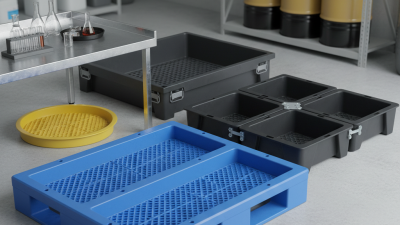
In healthcare, thermoforming is crucial for creating medical trays and containers. These products can be designed for specific instruments, ensuring both safety and efficiency. The ability to create custom shapes supports better organization in medical settings. However, some designs face challenges in recycling. This issue requires attention to promote sustainability in the industry.
The automotive sector also benefits significantly from thermoforming. Dashboard components and interior parts often utilize these plastics. They enhance aesthetic appeal while ensuring durability. Despite the advantages, the long-term reliability of some thermoformed parts should be cautiously evaluated. Companies are working to improve these materials and their applications across various fields.
Future Trends in Thermoforming Plastics and Emerging Technologies
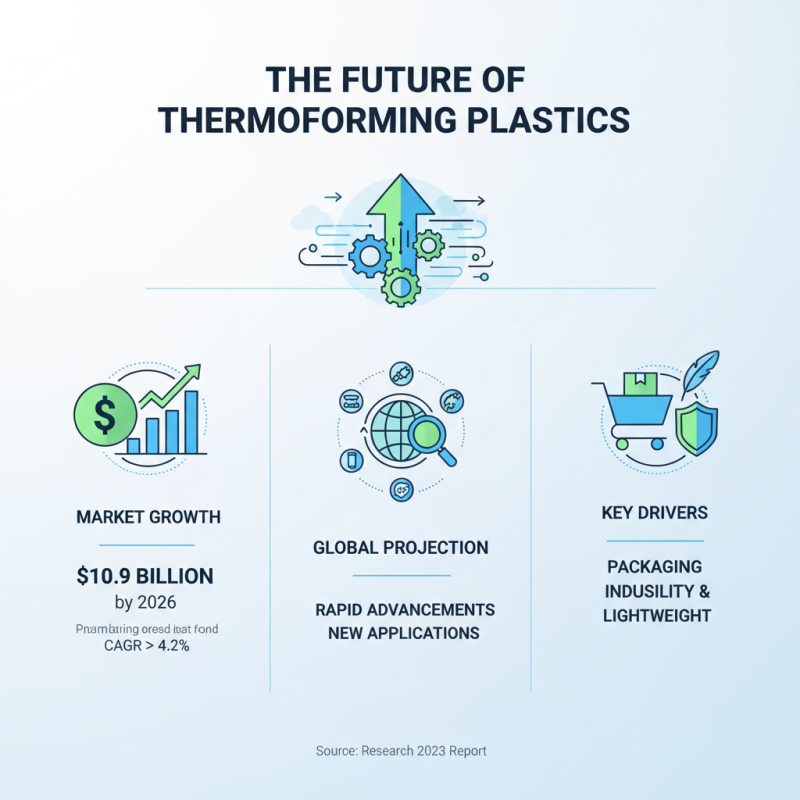
The future of thermoforming plastics is promising, characterized by rapid advancements and applications. Recent research highlights that the global thermoforming market is projected to reach $10.9 billion by 2026, with a compound annual growth rate (CAGR) of over 4.2%. A significant driver is the increasing demand from the packaging industry, where thermoformed plastics offer durability and lightweight properties.
Emerging technologies are set to reshape the landscape. For instance, 3D printing techniques are increasingly merging with traditional thermoforming processes. This innovation allows for more intricate designs and reduced material waste. Moreover, the usage of biodegradable and recyclable materials is gaining traction, aligning with global sustainability goals. Reports indicate that eco-friendly options could capture 30% of the market in the next five years. However, challenges remain in scalability and cost-efficiency, which require ongoing research and adjustment.
As the industry evolves, companies must adapt to these trends while addressing the limitations of existing methods. Continued exploration of automation and smart manufacturing could streamline production processes. Yet, the integration of new technologies often leads to unforeseen complications, necessitating a careful evaluation of their impact on the overall workflow. Balancing cutting-edge advancements with practical applications will be crucial for future success in thermoforming plastics.