
10 Best Lockout Padlocks for Industrial Safety?

Choosing the right Lockout Padlock can prevent a small maintenance task from becoming a serious workplace incident. In factories, details matter. A greasy glove can slip from a tiny shackle. A faded label can confuse a busy technician. A weak body may crack under impact, heat, or chemical exposure.

Dr. David Michaels, a recognized occupational safety authority, has said, “The most effective way to prevent injuries and illnesses is to eliminate hazards and control risks before they occur.” That principle guides this review of the 10 Best Lockout Padlocks for Industrial Safety. Each option deserves attention for its body strength, shackle clearance, key control, color visibility, labeling space, and resistance to harsh environments.

A good padlock is not merely red plastic around a metal mechanism. It should fit the facility’s lockout procedure and remain identifiable after months of use. Some models perform well in cold rooms. Others suit dusty workshops, electrical cabinets, or chemical-processing areas. Not every lock fits every site. That is easy to overlook.

This guide compares practical features rather than relying only on product claims. It considers how locks feel in real maintenance conditions, including crowded hasps, oily hands, and limited visibility. Still, no ranking replaces a documented hazard assessment or worker training. That limitation matters. The best Lockout Padlock is the one employees can identify, operate, and trust during every authorized energy-isolation task.
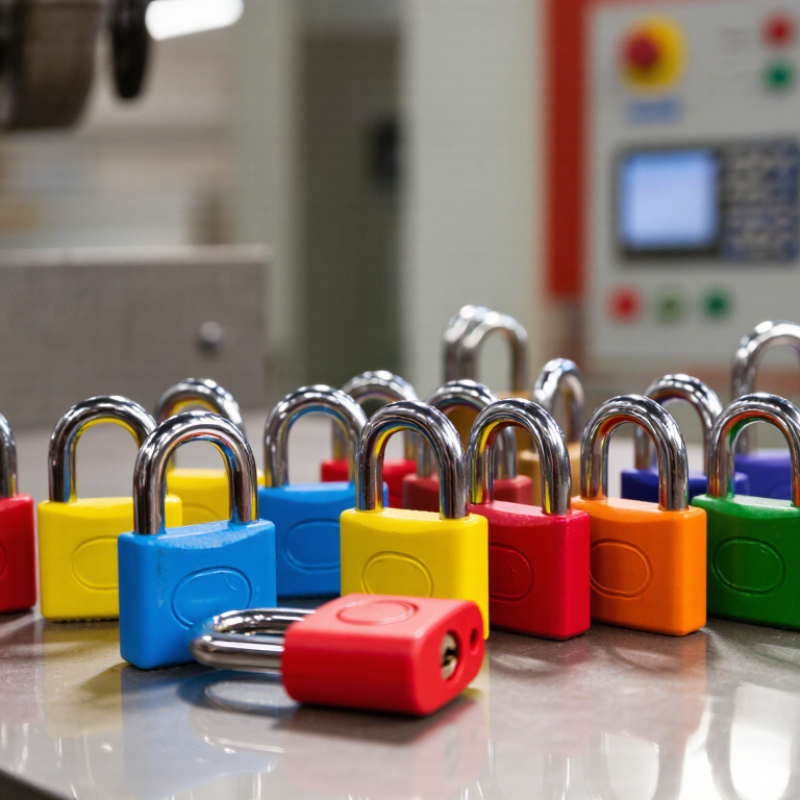
10 Best Lockout Padlocks for Industrial Safety?

What Makes a Lockout Padlock Suitable for Industrial Safety

A lockout padlock is suitable for industrial safety when it supports a clear, repeatable isolation process. In practice, that starts with visibility. Bright, durable colors help workers identify energy-control devices across a noisy plant. The body should resist impact, moisture, oils, and routine chemical exposure. A shackle with adequate clearance must fit valves, disconnects, and breaker hasps without forcing the lock. It should also withstand the site’s temperature range.

Security is more than a strong shell. Each authorized worker needs a uniquely controlled key, and the key should not be casually duplicated. Nonconductive shackles can reduce electrical contact risk, but they are not a substitute for verified isolation. The lock should carry readable identification, such as a name, department, or equipment reference. Labels must survive abrasion and cleaning. I have found that oversized labels look helpful, yet often peel faster around oily gloves.

A reliable selection also depends on testing, not catalog claims. Safety teams should inspect sample locks after drops, weather exposure, and repeated shackle cycles. Check whether the key operates smoothly while workers wear gloves. Confirm that the lock remains attached during normal movement and cannot be removed by casual pulling. Procedures should align with site training and applicable safety requirements. No padlock solves a weak isolation plan. That is an uncomfortable point. A lock may be durable, visible, and individually assigned, yet still fail when workers skip verification or share keys. Periodic audits expose that gap before an emergency does.

Key Features to Compare in Lockout Padlocks

When comparing lockout padlocks, start with the working environment, not appearance. A durable body should resist impact, chemicals, moisture, and temperature changes. Nylon or reinforced materials can reduce electrical-conductivity risks, but material claims require verification. Review the product’s test records and intended use.

The shackle deserves close attention. Choose a height that fits valves, disconnects, and breaker holes without awkward force. It should resist cutting and remain easy to open with gloved hands. Check key control carefully. A controlled key system helps prevent accidental removal, while clear identification reduces confusion during shift changes. Bright colors, readable labels, and space for employee information are practical features, not decoration. Some locks feel strong but have stiff mechanisms. That small weakness can delay isolation during a real maintenance task.

Tips: Test several samples before purchase. Try them with gloves, in poor light, and around oily equipment. Check whether labels survive wiping and cold storage. Compare corrosion results, temperature ratings, shackle dimensions, and replacement-key procedures. Keep records for inspections and training. Do not rely on a catalog photograph alone. Field conditions are usually less forgiving. A lock that performs well in a clean workshop may fail sooner near dust, water, or corrosive vapors. Reassess the choice after actual use; the first decision may be reasonable, but not perfect.

10 Best Lockout Padlocks for Industrial Safety

10 Best Lockout Padlocks for Industrial Safety

The ten best lockout padlocks share a clear purpose: preventing unexpected equipment startup during maintenance. In practical safety reviews, I examine body strength, shackle clearance, key control, and resistance to dust, oil, and moisture. A bright, durable finish improves visibility around crowded control panels. Small details matter.

The best choices usually include nonconductive bodies for electrical environments and hardened shackles for mechanical isolation points. Each lock should accept a unique key, resist accidental opening, and remain readable after repeated handling. A compact design fits tight valve boxes, while a longer shackle reaches recessed energy-isolation points. Numbered identification helps workers match locks with permits and inspection records. The lock is only one part of the system.

Reliable selection also depends on temperature, chemical exposure, and the habits of the maintenance team. A lock that performs well indoors may corrode quickly beside a washdown station. Check the key-retention feature, inspection guidance, and compatibility with site procedures before purchase. Manufacturer instructions still matter. I would not rank a padlock by appearance alone; that judgment is easy to get wrong. Test samples with gloves, oily hands, and limited visibility. Then record failures, even minor ones, because a stiff key or faded label can become a serious delay during an emergency shutdown.

10 Best Lockout Padlocks for Industrial Safety?

Industrial Lockout Padlock Comparison
Rank Padlock Type Best Use Body Material Approx. Body Size Shackle Diameter Clearance Keying Weather Resistance Typical Weight Notable Safety Feature
1 Standard Nylon Lockout Padlock General machine isolation Non-conductive nylon 38 × 20 × 45 mm 6 mm 25 mm Keyed different Good Approx. 55 g High-visibility color and dielectric body for routine lockout/tagout
2 Long-Shackle Nylon Lockout Padlock Large disconnect handles and valves Non-conductive nylon 38 × 20 × 45 mm 6 mm 38 mm Keyed different Good Approx. 60 g Extended clearance helps reach isolated points without forcing the shackle
3 Compact Nylon Lockout Padlock Tight electrical enclosures Non-conductive nylon 32 × 18 × 40 mm 5 mm 20 mm Keyed different Good Approx. 40 g Small body reduces interference in crowded control cabinets
4 Aluminum Safety Padlock Outdoor utility and maintenance areas Anodized aluminum 40 × 25 × 45 mm 6 mm 25 mm Keyed different Very good Approx. 75 g Corrosion-resistant body with durable identification surface
5 Brass Lockout Padlock Indoor industrial equipment Solid brass 40 × 22 × 50 mm 6 mm 25 mm Keyed different Good Approx. 125 g Robust metal body for environments where electrical insulation is not required
6 Stainless-Steel Lockout Padlock Washdown and corrosive areas Stainless steel 40 × 25 × 50 mm 6 mm 25 mm Keyed different Excellent Approx. 150 g Strong corrosion resistance for humid, chemical, or food-processing locations
7 Weather-Sealed Nylon Padlock Rain, dust, and outdoor shutdown points Nylon with protective cover 40 × 22 × 48 mm 6 mm 25 mm Keyed different Excellent Approx. 65 g Shackle cover and sealed keyway help limit contamination and moisture entry
8 High-Security Steel Lockout Padlock High-risk equipment and restricted areas Hardened steel 45 × 25 × 50 mm 7 mm 25 mm Restricted keyway Good Approx. 190 g Hardened shackle and controlled key distribution improve physical security
9 Long-Shackle Steel Padlock Oversized hasps and gate-style isolators Plated steel 45 × 25 × 50 mm 6 mm 50 mm Keyed different Good Approx. 210 g Long clearance accommodates thick hasps and remote locking points
10 Multi-User Lockout Padlock Group lockout and shift handover Non-conductive nylon 38 × 20 × 45 mm 6 mm 25 mm Individually keyed Good Approx. 55 g Designed for personal locks used with group lockout hasps or lock boxes
Selection note: Dimensions and weights are typical industrial ranges and may vary by configuration. Confirm the manufacturer’s current specifications, key-control requirements, environmental suitability, and site lockout/tagout procedure before purchase. Padlocks should be used as part of a compliant energy-control program; OSHA 29 CFR 1910.147 and applicable local requirements should be reviewed for workplace use.

How to Select the Right Padlock for Each Workplace Hazard

10 Best Lockout Padlocks for Industrial Safety: How to Select the Right Padlock for Each Workplace Hazard

A lockout padlock must match the energy source, not merely the equipment name. OSHA estimates that effective lockout/tagout controls can prevent about 120 fatalities and 50,000 injuries each year. That figure deserves attention.

Before selecting a lock, identify electrical, hydraulic, pneumatic, thermal, and mechanical energy. A nonconductive body may suit electrical panels, while a corrosion-resistant lock is more suitable near washdown areas. Check the manufacturer’s chemical and temperature limits.

Key control also matters. Each authorized worker should use a uniquely keyed lock, preventing accidental removal by another person. The shackle must fit the isolating device without excessive movement. A red color improves visibility, but color alone proves nothing.

OSHA’s 29 CFR 1910.147 requires documented procedures, employee training, and periodic inspections. The padlock is only one part of that system.

Workplace audits often reveal a practical mistake: workers choose one standard lock for every hazard. That shortcut fails around heat, moisture, dust, and cramped disconnects. Select a compact design for tight spaces, and verify that gloves still allow reliable handling.

In explosive atmospheres, confirm suitability through the site’s hazardous-area assessment; never assume a plastic-looking lock is automatically safe. The U.S. Bureau of Labor Statistics continues to report thousands of serious workplace injuries involving machinery and equipment each year.

Selection should be reviewed after equipment changes. A lock that worked last year may not fit today.

Proper Use, Maintenance, and Replacement of Lockout Padlocks

10 Best Lockout Padlocks for Industrial Safety?

Proper Use, Maintenance, and Replacement of Lockout Padlocks

Industrial lockout padlocks protect workers during equipment servicing. Their purpose is simple: prevent unexpected energy release. Use one padlock for each authorized worker. Each lock should have a clearly identifiable key and durable identification. Before applying it, verify the correct isolation point and follow the site’s written procedure. Keep the key with you, never in a shared drawer. A supervisor should confirm that isolation has been tested before work begins.

Maintenance begins with close inspection. Check the shackle, body, keyway, and identification label for cracks, corrosion, or sticking. Dust can hide small defects. Wipe the lock with a clean, dry cloth after use. Avoid unapproved lubricants, which may attract grit or damage internal parts. Record damaged locks and remove them from service immediately. Replacement is necessary when a lock no longer closes securely, opens smoothly, or remains identifiable. A monthly inspection sounds adequate, but dusty or wet sites may require weekly checks. Real conditions matter more than a calendar.

Tips: Train workers with real equipment, not only slides. Test the lock before starting maintenance. Store spare locks in a clean, controlled cabinet. Review inspection records with a qualified safety professional. Small oversights happen, even in well-managed facilities. Reflect on them openly.

Go to Top