Top 10 Benefits of Using Drip Trays for Your Business?
In industries where spills are common, drip trays play a crucial role. John Smith, a leading expert in industrial safety, once stated, "Drip trays are essential for maintaining a clean workspace." This simple statement highlights the value of drip trays in preventing messes and potential hazards.
Businesses that utilize drip trays experience improved safety and cleanliness. They help contain spills, minimizing the risk of accidents. Beyond safety, these trays can enhance operational efficiency. Regular use can reduce downtime for cleaning, allowing teams to focus on their primary tasks.
Moreover, adopting drip trays may shape a company's reputation. Organizations that prioritize cleanliness and safety often gain trust from clients and partners. However, businesses must ensure that drip trays are appropriately maintained. Neglecting this can lead to more harm than good. The effectiveness of drip trays depends on consistent use and care. Thus, while they are beneficial, they require a commitment to upkeep.
Understanding Drip Trays and Their Functionality in Business
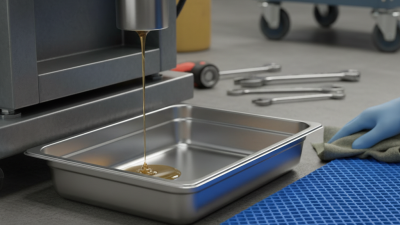
Drip trays serve a vital role in many businesses, particularly in industrial settings. They are designed to catch spills and leaks from containers, ensuring a cleaner and safer workspace. Their primary function is to prevent hazardous liquids from contaminating other areas. By using drip trays, businesses protect their equipment and maintain a tidy environment.
One practical aspect to consider is the material of the drip tray. Different options, like stainless steel and polyethylene, each have advantages. Stainless steel offers durability, while polyethylene is lightweight. Each business should evaluate its needs, such as the types of liquids handled.
Using these trays can significantly reduce cleanup time. Less mess means less downtime. This aspect should not be overlooked in busy workplaces. Proper selection and maintenance of drip trays boost effectiveness. Regularly check for wear or spills that may have occurred.
Safety must always be a priority. Training staff on using drip trays is essential. They should understand the trays' placement and maintenance. By encouraging employees to take responsibility, businesses can enhance overall safety and efficiency.
Enhancing Safety: Minimizing Spills and Accidents with Drip Trays
Drip trays offer crucial safety enhancements for various businesses. They act as barriers, catching spills that might otherwise lead to slips and falls. This simple tool is essential in environments handling liquids. For instance, in manufacturing or food industries, a single spill can disrupt operations. Employees may face injuries from slipping, impacting morale and productivity.
Moreover, drip trays promote better hygiene and cleanliness. Spills can attract contaminants, creating unhealthy workspaces. By using drip trays, businesses can maintain a cleaner environment, reducing the risk of contamination. It’s a straightforward yet effective way to uphold safety standards. However, it’s important to choose the right size and type. Ill-fitting trays may not serve their purpose well.
Business owners must also regularly check and maintain these trays. Neglect could lead to overflow, defeating their safety benefits. On top of that, improperly installed trays may create new hazards. All these details matter, emphasizing the need for careful consideration. Implementing drip trays is not just about compliance; it's about fostering a safe space for everyone involved.
Cost-Effectiveness: Reducing Cleanup and Maintenance Expenses
Drip trays are becoming essential for many businesses. They are designed to catch spills, preventing them from spreading. This simple tool can significantly reduce cleanup time. Fewer spills mean less time and resources spent on maintenance.
When spills occur, they often lead to costly repairs, or worse, injuries. Using drip trays helps mitigate these risks. They create a safer environment for employees and customers. This safety translates into fewer accidents and lower liability costs.
As businesses implement drip trays, they notice savings over time. Regular maintenance expenses drop, helping to allocate funds for other important tasks. While some may see it as an extra expense, the long-term benefits outweigh the initial costs. Investing in drip trays reflects a proactive approach to safety and efficiency in any workspace. The key is to regularly assess their effectiveness and make adjustments as necessary.
Top 10 Benefits of Using Drip Trays for Your Business
| Benefit |
Description |
Cost Savings ($) |
Maintenance Reduction (%) |
| Reduced Cleanup Time |
Drip trays minimize spills and leaks, expediting the cleaning process. |
500 |
30 |
| Preventing Equipment Damage |
Protects valuable equipment from harmful spills that can cause damage. |
1000 |
25 |
| Improved Safety |
Reduces the risk of slips and falls, ensuring a safer work environment. |
300 |
40 |
| Regulatory Compliance |
Helps meet industry standards and regulations for spill management. |
250 |
20 |
| Enhanced Cleanliness |
Keeps work areas cleaner, which can improve employee morale. |
400 |
35 |
| Versatility |
Can be used in various settings, from kitchens to laboratories. |
200 |
15 |
| Environmental Protection |
Prevents harmful substances from contaminating the environment. |
600 |
30 |
| Cost-Effective Investment |
Long-term savings on maintenance and repair costs. |
700 |
20 |
| Improved Workflow |
Less time spent cleaning translates to more time on productive tasks. |
800 |
30 |
| Aesthetic Appeal |
Contributes to a neat and organized appearance in workspaces. |
100 |
10 |
Promoting Environmental Responsibility through Waste Management
Drip trays play a significant role in promoting environmental responsibility through effective waste management. They provide a simple solution for collecting spills, preventing harmful liquids from contaminating the environment. By using drip trays, businesses can significantly reduce their risk of environmental damage. This proactive approach encourages sustainable practices.
Implementing drip trays is an easy yet impactful step. Evaluate the areas with potential spills, like workshops or warehouses. Position trays strategically to maximize their effectiveness. Maintaining them regularly is critical. Check for cracks or wear that could compromise performance. Not keeping up with maintenance can lead to greater spills and risks.
Consider utilizing eco-friendly materials for drip trays. They not only help the environment but also demonstrate your commitment to sustainability. Engage employees in the importance of waste management. Encourage them to report any spills immediately. Small actions lead to significant changes. Regular training can reinforce this habit. Promoting responsibility and awareness creates a culture of care.
Improving Operational Efficiency with Proper Liquid Containment Solutions
Drip trays are an essential tool for enhancing operational efficiency in various industries. They provide a simple yet effective solution for liquid containment. By capturing spills and leaks, these trays prevent contamination and protect valuable equipment. Proper liquid management reduces the risks of accidents, which can lead to costly downtime.
Using drip trays can also facilitate cleaner work environments. Employees can work confidently, knowing that potential hazards are minimized. Enhanced safety directly correlates with productivity. When team members focus on their tasks without fear of spills, they can devote more energy to innovative solutions and efficient workflows. Employers often overlook the significance of these simple trays, but their impact can be profound.
However, not all drip trays are created equal. Choosing the right size and material requires careful consideration. For instance, a tray too small may overflow, while one too large could be cumbersome. Regular maintenance is vital to ensure these trays remain effective. Neglecting them can lead to unexpected messes, which detracts from the efficiency they are meant to enhance. Evaluating usage and conditions is essential for ongoing effectiveness.