Top 10 Advantages of Thermoforming Plastic in Modern Manufacturing
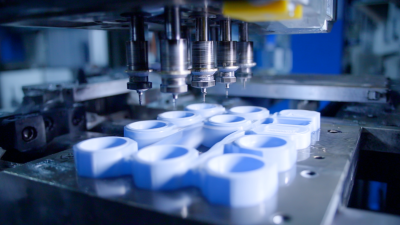
Thermoforming plastic has emerged as a pivotal technique in modern manufacturing, reshaping various industries with its remarkable versatility and efficiency. This process involves heating plastic sheets until they become pliable and then forming them into specific shapes using molds. The advantages of thermoforming plastic are numerous, making it an attractive choice for manufacturers seeking to enhance production capabilities while maintaining high quality.
One of the most compelling benefits of thermoforming plastic is its ability to produce lightweight yet durable components, which is particularly advantageous in sectors such as automotive and packaging. The rapid cycle times associated with thermoforming not only lead to increased output but also reduce overall energy consumption, making it an environmentally friendly option. Furthermore, the customization potential of thermoforming allows manufacturers to create intricate designs and tailored solutions that meet the diverse needs of their clients.
As we delve into the top ten advantages of thermoforming plastic, it becomes evident that this method is not just a trend, but rather a fundamental shift in how products are designed and manufactured. With its cost-effectiveness and ability to streamline production processes, thermoforming plastic continues to revolutionize the landscape of modern manufacturing, positioning itself as a key player in the journey towards innovative and sustainable practices.

Advantages of Thermoforming Plastic in Manufacturing Efficiency
Thermoforming plastic has become a cornerstone of modern manufacturing due to its remarkable impact on efficiency. This process allows manufacturers to create a wide range of products with minimal waste, as the sheets of plastic can be reheated and molded repeatedly. The speed of thermoforming is another significant advantage; it can produce prototypes and finished products in a fraction of the time required by other molding processes, thereby accelerating production timelines. As companies strive for quicker turnarounds, thermoforming stands out as an effective method for meeting market demands.
Tips for enhancing thermoforming efficiency include optimizing the heating process to ensure consistent temperature distribution, which leads to better molding quality. Additionally, employing automated systems for feeding and trimming can streamline production further, reducing manual labor and minimizing errors. Investing in high-quality molds will also significantly enhance the longevity of the tools used, reducing downtime and maintenance costs.
Another key advantage of thermoforming is its adaptability across various industries. From packaging to automotive parts, the ability to design complex shapes while maintaining strength and durability makes thermoformed products increasingly versatile. Exploring innovative design options can lead to products that not only perform better but also resonate more with consumers, driving growth and sustainability in manufacturing practices.
Cost-Effectiveness of Thermoforming Compared to Other Methods
Thermoforming plastic is increasingly recognized for its cost-effectiveness compared to traditional manufacturing methods. One of the primary advantages of this process is the reduction in material waste. Unlike injection molding, which can result in significant scrap material, thermoforming makes use of a continuous sheet of plastic, allowing manufacturers to cut shapes with precision. This not only saves on raw material costs but also minimizes the financial impact of waste disposal.
Additionally, thermoforming offers enhanced production speed, which can lead to lower labor costs. The machinery involved in thermoforming is often simpler to operate, translating into shorter training times for staff and reduced operational complexity. As production timelines are shortened, companies can respond more rapidly to market demands, decreasing the cost implications of inventory storage and increasing overall efficiency. The ability to produce large volumes of products quickly and cost-effectively positions thermoforming as a leading choice for manufacturers looking to optimize their operations.
Top 10 Advantages of Thermoforming Plastic in Modern Manufacturing
Design Flexibility Offered by Thermoformed Plastics
Thermoforming plastic offers remarkable design flexibility, making it a favored choice in modern manufacturing. This process allows manufacturers to create intricate shapes and customized designs with relative ease, as thermoformed plastics can be molded into various forms without extensive tooling modifications. The ability to produce detailed features such as textures, contours, and cutouts means that designers can freely innovate without being constrained by traditional manufacturing methods.
Tips: When embarking on a thermoforming project, collaborating with experienced designers early in the process can significantly enhance the quality of the final product. Utilizing computer-aided design (CAD) software can also streamline the design process, enabling precise modifications and optimizations before moving to production.
Another advantage of thermoformed plastics is their lightweight nature, which contributes to cost savings in transportation and handling. The material's versatility allows manufacturers to tailor thickness, finish, and color to meet specific project needs. By integrating sustainability practices, such as using recyclable materials in the thermoforming process, companies can further enhance their competitive edge while appealing to environmentally conscious consumers.
Tips: Always consider the environmental impact of the materials being used. Opting for biodegradable or recyclable thermoformed plastics can not only boost your brand's image but also comply with growing consumer demand for eco-friendly products.
Enhanced Material Utilization in Thermoforming Processes
Thermoforming plastic has emerged as a pivotal process in modern manufacturing, significantly enhancing material utilization. According to a report by the Plastic Industry Association, it is estimated that thermoforming can achieve up to 90% material efficiency compared to traditional methods. This increase in utilization not only reduces waste but also minimizes raw material costs, making it an economically advantageous choice for manufacturers. By efficiently using sheets or rolls of plastic, companies can reduce their material expenses and decrease their environmental footprint, which is increasingly important in today’s sustainability-focused market.
Moreover, the versatility of thermoforming processes allows for the creation of complex shapes and designs, which further optimizes the use of materials. This adaptability is supported by data from industry leaders indicating that thermoformed products can be tailored to meet specific application requirements without significant increases in waste. For instance, customized molds can be designed to maximize the yield from each sheet of plastic, leveraging nearly every inch of available material. Such innovations signal a shift toward more responsible manufacturing practices, aligning economic benefits with ecological sustainability.
(Note: Replace `"your-image-source.jpg"` with the actual image URL.)
Rapid Production and Turnaround Times in Thermoforming Production
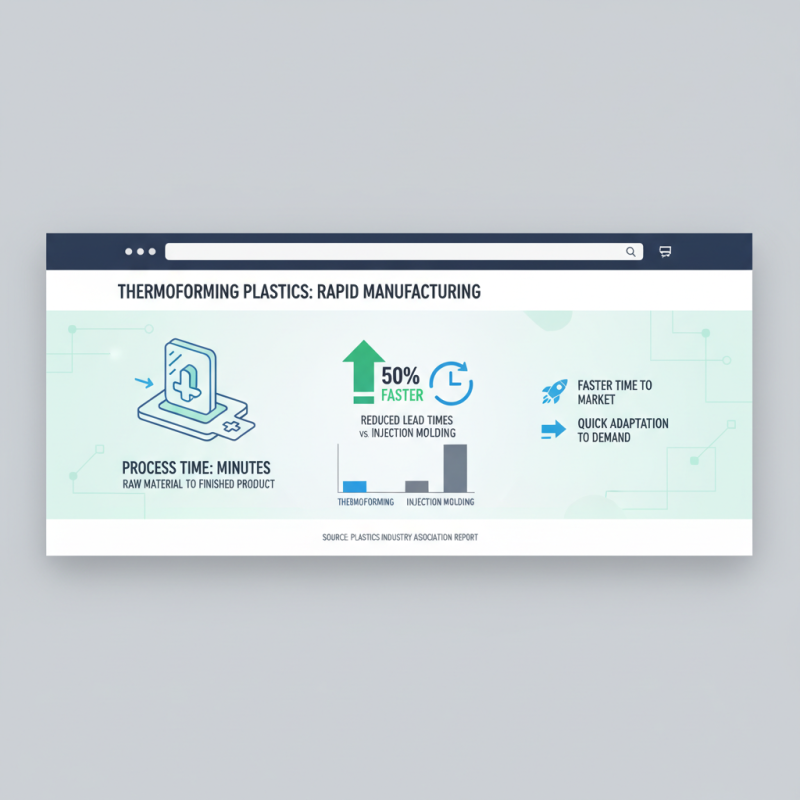
Thermoforming plastic has emerged as a pivotal process in modern manufacturing, particularly due to its ability to deliver rapid production and turnaround times. One of the most significant advantages of thermoforming is its efficiency in transforming raw materials into finished products in a matter of minutes. A report by the Plastics Industry Association highlights that thermoforming can reduce production lead times by up to 50% when compared to traditional injection molding methods. This rapid processing not only accelerates the time to market but also enables manufacturers to adapt quickly to changing consumer demands.
The quick turnaround associated with thermoforming also provides a competitive edge for manufacturers. According to a comprehensive industry analysis, companies that utilize thermoforming can achieve cycle times as low as 30 seconds per part, depending on the complexity of the design and the scale of production. This ability to produce large quantities of items in a short time span is particularly beneficial in industries like packaging, where speed and efficiency are crucial. Furthermore, with advancements in technology and automation, businesses can streamline their operations even further, leading to reduced production costs and enhanced overall productivity.