
Buying a China Air Pick should begin with evidence, not attractive catalog photos. Buyers need to examine impact energy, air consumption, operating pressure, body materials, and replacement-part access. A tool that looks powerful may perform poorly when paired with an undersized compressor.
Industry reports usually place air picks inside the broader pneumatic-tools category. Grand View Research reports continued demand for pneumatic equipment in construction, mining, and industrial maintenance. However, public reports rarely isolate China Air Pick sales or factory-level quality differences. That gap matters. Buyers should request test records, product drawings, warranty terms, and inspection photographs before placing an order.
ISO 11148-4 provides safety requirements for non-electric hand-held power tools, including impact tools. Compliance does not prove every supplier is reliable. It only creates a useful baseline. Check whether the manufacturer identifies the tested model clearly, rather than presenting a generic certificate.
A practical sourcing rule comes from pneumatic-tool consultant Paul H. Sherry: “Performance begins with the air supply.” This advice is simple, but often ignored. Compare the tool’s stated air consumption with your compressor’s real output, hose length, and working pressure.
Look closely at the details. Is the trigger smooth? Does the piston bore show consistent machining? Are seals and chisels available locally? Ask for a live video test under load. One overlooked issue remains: some listings exaggerate impact frequency without explaining measurement conditions. Treat those numbers carefully. The seven tips ahead help separate usable equipment from impressive-looking claims.
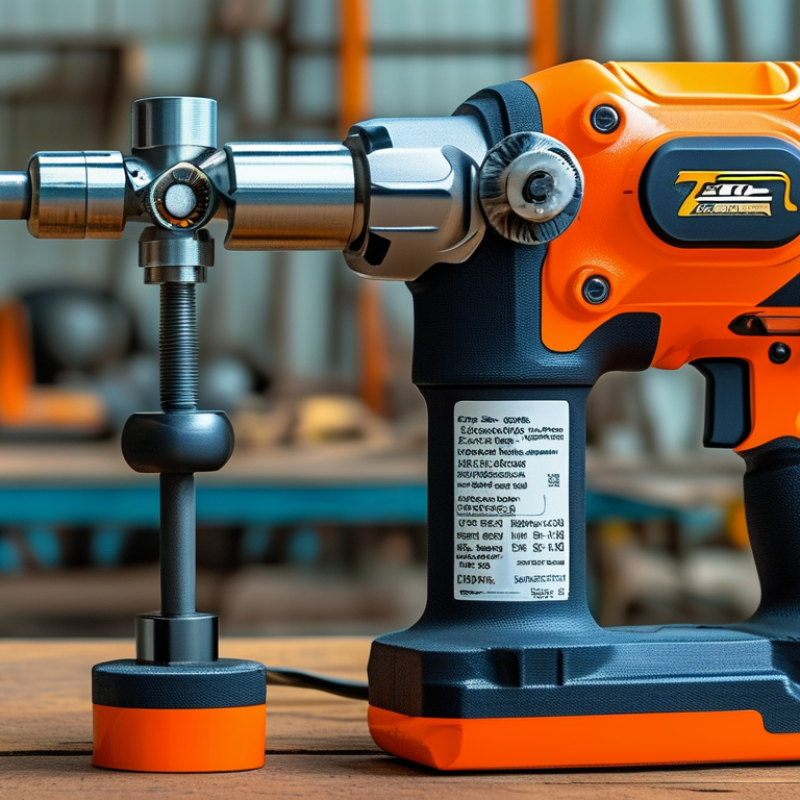
Before buying a China air pick tool, define its actual job. Will it remove concrete scale, break refractory material, loosen compacted soil, or clean casting flash? These tasks demand different impact energy and operating speeds. Record the material hardness, working depth, daily hours, and available air pressure. A high blows-per-minute figure can look impressive, but it may not deliver enough impact energy. The tool must match the compressor, hose diameter, and coupler. The U.S. Department of Energy’s Compressed Air Sourcebook notes that system leaks can waste 20% to 30% of compressor output. That loss can make a suitable tool perform poorly.
Vibration and handling also require careful checking. ISO 5349-1 provides methods for measuring hand-transmitted vibration, while European workplace guidance identifies 2.5 m/s² A(8) as an exposure action value and 5.0 m/s² A(8) as a limit value. Ask for measured vibration data, not vague claims such as “low vibration.” Weight matters. A tool that feels manageable for five minutes may become tiring after two hours. Check the tool’s air consumption under load, not only its free-running figure. This is where buyers often make mistakes. I would also request test records, maintenance intervals, and replacement-part availability before approval. Performance data can be incomplete, and that deserves honest review. A short trial on the real material may reveal more than a polished specification sheet.
Buying a China air pick tool requires more than comparing prices. Start by separating the manufacturer from the trading supplier. Ask for the factory address, production scope, export history, and current ISO 9001 certificate. The certificate should cover pneumatic tools, not an unrelated product category. Check the legal company name across invoices, test reports, and bank details. Small inconsistencies matter.
Product credentials need physical proof. Request air-pressure ratings, impact frequency, weight, noise data, and vibration measurements. ISO 11148 provides safety requirements for hand-held non-electric power tools. The European Directive 2002/44/EC sets a vibration action value of 2.5 m/s² A(8), so vague claims deserve caution. Ask for batch numbers, inspection records, and calibration dates. A clear serial plate helps trace a tool after delivery.
Compressed-air performance also affects the real purchase cost. The U.S. Department of Energy reports that leaks can waste 20–30% of compressed-air capacity. Therefore, compare air consumption at the same working pressure, not only impact force. Request a sample unit and test it with your own hose, coupler, and compressor. That test may reveal poor balance or excessive noise. I would not rely on glossy certificates alone. Reports can be genuine yet incomplete. Independent pre-shipment inspection, spare-part availability, and a written warranty provide stronger evidence than a low quotation.
Tip: Inspect the material quality before comparing prices. A reliable air pick should use hardened steel for the pick point and a durable alloy for the body. Ask about heat treatment, hardness testing, and corrosion protection. Examine the threads and nose carefully. Rough machining often shows poor control. I have seen tools look strong outside but wear quickly inside. That mistake is easy to miss.
Tip: Check the manufacturing standards, not only the product description. The supplier should provide clear drawings, inspection records, and batch traceability. Ask whether each tool receives air-pressure testing before shipment. Confirm the operating pressure, air consumption, and replacement-part dimensions. Consistent tolerances matter. If these details are vague, pause before ordering. A certificate alone proves little without supporting inspection data.
Tip: Treat safety features as working requirements. Look for a guarded trigger or dead-man control that stops the tool when released. A secure hose connection can prevent sudden movement. Lower vibration helps during long tasks, though published figures may vary by test method. Wear eye, hearing, hand, and foot protection in the work area. Check the exhaust direction, too. It should not blow debris toward the operator. I would also test the tool briefly before full use. Small handling problems become serious under pressure. My own checklist is not perfect, but recording defects after each job improves future purchasing decisions.
Buying China air pick tools requires more than comparing prices. The power source should match your workshop’s actual air system. Check working pressure, air consumption, and compressor recovery time. A tool may perform well during a short test but slow down during continuous use. I once focused too heavily on impact force and overlooked airflow demand. That mistake caused avoidable downtime.
Size affects control, transport, and productivity. Choose a compact pick for confined areas and lighter materials. Larger models may deliver stronger blows, but they can fatigue the operator quickly. Check the tool’s weight, stroke length, handle shape, and shank compatibility. Ask for measured specifications, not vague claims. Supplier drawings, test reports, and maintenance instructions improve purchasing confidence.
Accessories also influence long-term value. Confirm whether points, chisels, springs, retainers, air hoses, and fittings are available in compatible sizes. Poorly matched accessories can reduce impact efficiency or create uneven wear. Operating comfort deserves equal attention. Look for vibration reduction, balanced handling, manageable noise, and a secure grip. Wear suitable hearing and eye protection, even during brief work. Try the tool with gloves if possible. Small handling problems often become serious after several hours. Do not ignore them.
When buying China air pick tools, inspect more than the listed price. A low quote may exclude freight, spare parts, packaging, or testing. Ask for a complete proforma invoice with payment terms and delivery time. Compare the same specifications, not just the same model name. Tip: request photos or videos of the exact tool before payment. Small details matter, such as hose fittings, handle shape, and tool weight.
Customization should be written clearly. Confirm shank size, impact frequency, air consumption, length, and surface finish. Ask whether the supplier can provide drawings or a sample unit. A sample may reveal vibration problems that specifications hide. Tip: define acceptable tolerances in writing. I have found that vague requests create expensive misunderstandings. Some buyers also forget to confirm language, labels, and export packaging.
Warranty terms need practical details. Check the coverage period, excluded damage, response time, and replacement process. Ask who pays shipping for defective parts. Tip: request a troubleshooting guide and a list of recommended wear parts. After-sales support should include technical replies, maintenance advice, and access to replacement components. Test the response before ordering by sending several specific questions. A fast sales reply does not always mean strong support later. Keep all promises in signed documents, because memory becomes unreliable after the deposit.
This buyer verification checklist organizes the key evidence to request when sourcing air pick tools from China. A higher value indicates more documents, specifications, or confirmations should be checked before placing an order.