
2026 Top Commercial Drain Cleaning Machine Types

Commercial drain crews work in demanding conditions: grease-packed kitchen lines, scale-coated pipe walls, and roots that return after a quick pass. Choosing a Commercial Drain Cleaning Machine is not just a horsepower decision. Pipe diameter, blockage type, access, and cleanup time all matter. A drum machine can handle many routine interior lines. Sectional machines offer control across longer runs. High-pressure water jetters can scour buildup, while compact cable machines suit tight access. No single type fits every job.

The need for dependable wastewater systems is substantial. The U.S. Environmental Protection Agency’s 2022 Clean Watersheds Needs Survey estimated $630.1 billion in wastewater and stormwater infrastructure needs over 20 years. That figure does not measure demand for drain-cleaning machines. It does, however, show the scale of infrastructure work surrounding them. That distinction matters. This guide compares machine types by practical use, reach, and operating trade-offs—not by headline claims alone.

Master plumber and plumbing educator Roger Wakefield often emphasizes choosing tools for the job. A useful summary of that principle is: “Match the machine to the pipe, then the cutter to the blockage.” This is a paraphrase, not a verified verbatim quotation. Even experienced crews can misjudge a line from its access point. A cable may clear the immediate obstruction but leave residue behind. A jetter may clean thoroughly, yet require more setup and water management. Small details count. The right choice depends on the actual line, not just the machine catalog.
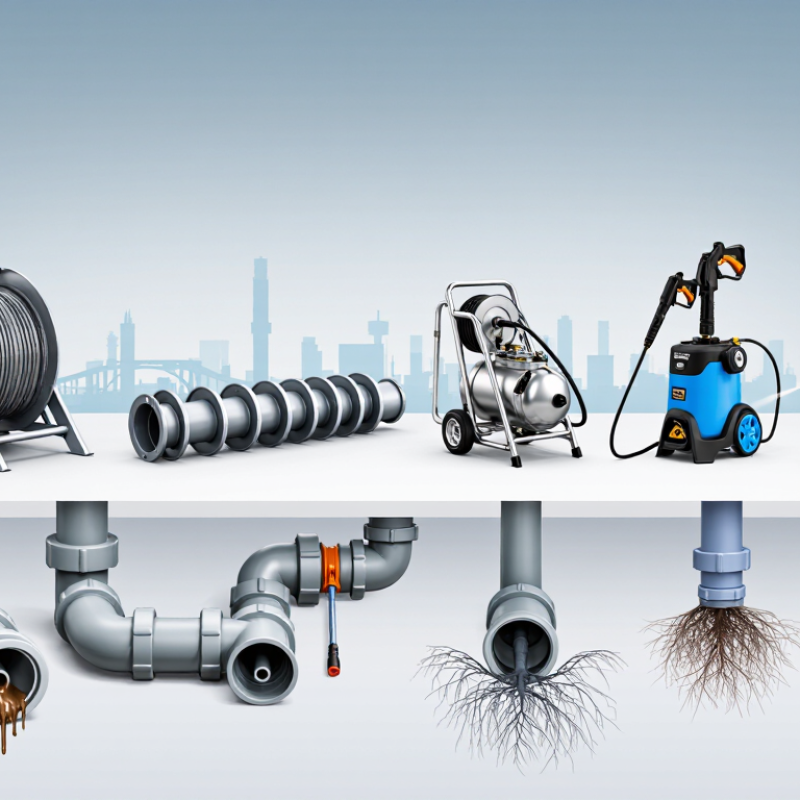
2026 Top Commercial Drain Cleaning Machine Types

Commercial Drain Cleaning Machines: Purpose and Main Components

Commercial drain cleaning machines restore flow by removing grease, scale, roots, and compacted debris from pipes. Their design depends on the blockage and pipe diameter. A cable machine uses a motor, rotating cable, and cutting head to break or retrieve obstructions. A water-jetting unit instead combines a high-pressure pump, hose, and nozzle to scour pipe walls and carry loosened material downstream. Some systems also use inspection cameras to check results. Small details matter. A frayed cable or mismatched nozzle can reduce control and cleaning quality.

The U.S. Environmental Protection Agency’s 2022 Clean Watersheds Needs Survey estimated $630.1 billion in wastewater infrastructure needs over 20 years. The figure covers broad infrastructure needs, not drain-cleaning equipment alone. Still, it shows why routine maintenance and dependable tools matter. In practice, technicians select equipment after considering pipe material, access, blockage type, and the risk of damaging older lines. That judgment is not always perfect; a cautious test pass may reveal that the initial tool choice was wrong.

Tips: Match the cutter or jet nozzle to the pipe, not just the blockage. Wear eye protection, secure the work area, and inspect cables and hoses before use. For stubborn clogs, stop if resistance rises sharply. Forcing the tool may worsen the obstruction or damage the pipe. Use a camera afterward when the cause or cleaning result remains uncertain.

How Commercial Drain Cleaning Machines Remove Blockages

2026 Top Commercial Drain Cleaning Machine Types

How Commercial Drain Cleaning Machines Remove Blockages

Commercial drain cleaners remove blockages through mechanical cutting, water pressure, or both. Cable machines rotate a cutting head through grease, scale, and small roots, breaking material into smaller pieces. High-pressure jetters direct water through a hose to scour pipe walls and move loosened debris downstream. The right method depends on pipe size, blockage type, and access. There is no universal fix.

The U.S. EPA’s sanitary sewer overflow overview estimates 23,000 to 75,000 overflows occur annually. That range underscores why reliable flow matters, though it does not measure machine performance. After clearing a line, crews can use a camera to check for remaining buildup, damaged joints, or roots. A clean opening is not always a sound pipe. That distinction can be missed when work moves quickly.

Tips: Match the cutter or nozzle to the pipe and obstruction; aggressive tools can damage fragile lines. Start with a lower-pressure setting when pipe condition is uncertain. Check the recovered debris, too. Grease, grit, and root fragments call for different follow-up choices. Some judgment remains imperfect, especially when access is limited.

Cable and Drum Machines for Routine Drain Clearing

2026 Top Commercial Drain Cleaning Machine Types
Cable and Drum Machines for Routine Drain Clearing

Cable and drum machines suit recurring blockages in floor drains, kitchen lines, and smaller branch pipes. A drum encloses much of the rotating cable, helping contain splash and debris in busy work areas. Sectional cable machines use separate lengths, which can be easier to carry through narrow service corridors. Their exposed cable needs careful handling. Neither type replaces a camera inspection when the cause or pipe condition is uncertain.

Selection depends on pipe diameter, access, blockage, and operator experience. A cable that is too large may struggle in tight bends; one that is too small may not cut effectively. The U.S. Bureau of Labor Statistics projected about 43,300 annual openings for plumbers, pipefitters, and steamfitters from 2023 to 2033, reflecting continuing workforce demand—not machine sales. Routine maintenance therefore benefits from equipment operators can use consistently. A cleared drain is not always a fully diagnosed drain.

Tips: Match the cutter to the blockage, secure the work area, and inspect the cable for kinks before use. Keep hands clear of rotating cable and follow the machine’s operating instructions. Record recurring stoppages by location; that simple log can reveal a pattern. Sometimes the first guess is wrong.

2026 Top Commercial Drain Cleaning Machine Types - Cable and Drum Machines for Routine Drain Clearing

Machine Type Typical Cable Setup Typical Line Range Best-Fit Routine Jobs Cable Feed and Handling Key Advantages Practical Considerations
Compact drum machine Usually a 1/4- or 5/16-inch cable; cable length commonly around 25–50 ft. Small lines, typically about 1¼–2 inches. Clearing hair, soap buildup, and light obstructions in sinks, tubs, and small branch lines. Cable is stored in an enclosed drum and advanced or retrieved by hand or with a powered feed, depending on the model. Compact and easy to transport; the enclosed drum helps contain splashing and cable mess. Not intended for large-diameter building drains or heavy, deeply lodged obstructions. Match cable size to the pipe and fitting.
Mid-size drum machine Often uses a 3/8-inch cable, with lengths commonly around 50–75 ft. Many models are suited to approximately 1½–3-inch lines. Routine clearing of bathroom branches, kitchen lines, and smaller commercial drain runs. The rotating drum stores the cable; a powered feed can reduce manual handling where fitted. Offers a useful balance of reach, portability, and contained cable storage for recurring service work. Grease, scale, and repeated bends can increase resistance. Use appropriate cutters and avoid forcing the cable through a blockage.
Large drum machine Commonly uses 1/2- or 5/8-inch cable; available cable lengths vary, often roughly 50–100 ft. Depending on cable and machine, commonly about 3–6-inch lines. Clearing larger branch drains and routine commercial lines with more substantial buildup. A powered drum rotates the cable; some models include a mechanical feed to advance and retrieve it. Provides more cable capacity and stiffness than compact machines for longer or larger lines. Heavier and less convenient to move through tight spaces. Confirm that the cable diameter, cutter, and machine are suitable for the pipe.
Sectional cable machine Typically uses 5/8- or 7/8-inch sectional cable in connected lengths; individual sections are commonly around 7½–15 ft, depending on the system. Often used on approximately 2–6-inch lines, subject to the machine and cable configuration. Routine work on longer building drains, commercial branches, and lines where cable reach needs to be built up in sections. Sections are added or removed as needed; the cable is not stored on a single enclosed drum. Reach can be adjusted to the job, and individual sections are easier to transport than one very long continuous cable. Requires careful coupling and handling of exposed cable. More setup and operator attention may be needed than with a drum machine.
Choosing the right setup Select cable diameter, length, and cutter to suit the pipe size, access point, and obstruction. Use the machine and cable combination within the manufacturer's rated pipe-size range. For routine clearing, identify the line material, approximate diameter, access location, and likely type of buildup before selecting equipment. Use a compatible feed method and keep the cable controlled during advancement and retrieval. A correctly matched setup can improve control and reduce unnecessary cable wear. Wear appropriate protective equipment, inspect cables before use, and stop if the cable binds or shows damage. Follow the machine's operating instructions.

Note: Cable sizes, lengths, and suitable pipe ranges are typical industry examples, not universal specifications. Actual capacity varies by machine design, cable construction, fittings, and operating conditions; check the equipment documentation before use.

Water Jetters and Sectional Machines for Specialized Jobs

Water jetters and sectional machines solve different drain problems. A jetter sends high-pressure water through a hose and nozzle, cutting grease and rinsing residue from pipe walls. It suits longer runs and recurring buildup, but needs a reliable water supply and careful nozzle selection. A sectional machine uses short, linked cable sections with interchangeable cutters. It offers hands-on control in tight indoor spaces, especially where a bulky hose is awkward. Neither tool fits every call.

The U.S. Environmental Protection Agency’s 2022 Clean Watersheds Needs Survey estimated $630.1 billion in wastewater infrastructure needs over 20 years. That figure concerns public infrastructure, not demand for contractor machines, but it shows the scale of aging systems. For field decisions, pipe diameter, material, access, and blockage type matter more than headline pressure or cable length. A jetter can push debris into a branch if the operator misjudges the flow path. Sectional cables can damage fragile or poorly documented pipes. The wrong choice costs time.

Tips: Confirm the line’s material and route before work. Use a suitable nozzle for the obstruction, and control cable feed rather than forcing a cutter. A small cleanout may favor sectional access; a long grease-coated run may favor jetting. Check the discharge point, too. It is easy to overlook.

How to Compare Commercial Drain Cleaning Machine Types in 2026

2026 Top Commercial Drain Cleaning Machine Types

How to Compare Commercial Drain Cleaning Machine Types in 2026

Commercial machines generally fall into three groups: drum or sectional cable machines, high-pressure water jetters, and compact flex-shaft units. Compare them by blockage, pipe diameter, access, and cleanup needs—not just motor power. Cables can break through roots and solid obstructions; jetters flush grease and sediment from pipe walls. Flex-shaft tools can suit smaller lines where maneuverability matters. Check the machine’s rated cable length, hose pressure, and compatible pipe sizes against the jobs your crew actually handles. Small details matter.

The US Environmental Protection Agency’s 2022 Clean Watersheds Needs Survey estimated $630.1 billion in wastewater infrastructure needs over 20 years. That figure is not a drain-machine performance study, but it underscores why protecting aging pipes matters. Before using a jetter or aggressive cutting head, consider pipe condition, deposits, and available inspection access. A camera inspection can help avoid treating a fragile line like a sound one. Compare setup time, transport weight, water supply, operator training, and maintenance costs, too. A powerful machine can still be the wrong choice. One imperfect habit worth challenging is buying for the worst blockage; frequent setup and handling costs may outweigh that extra capacity.

Go to Top